

Maintaining a bean-to-cup coffee machine requires understanding the chemical behavior of coffee oils, mineral deposits, and organic residues. Consistent maintenance prevents rancidity, ensures stable brewing thermodynamics, and extends the mechanical lifespan of your appliance.
The Science of the Bean Hopper: Preventing Lipid Oxidation
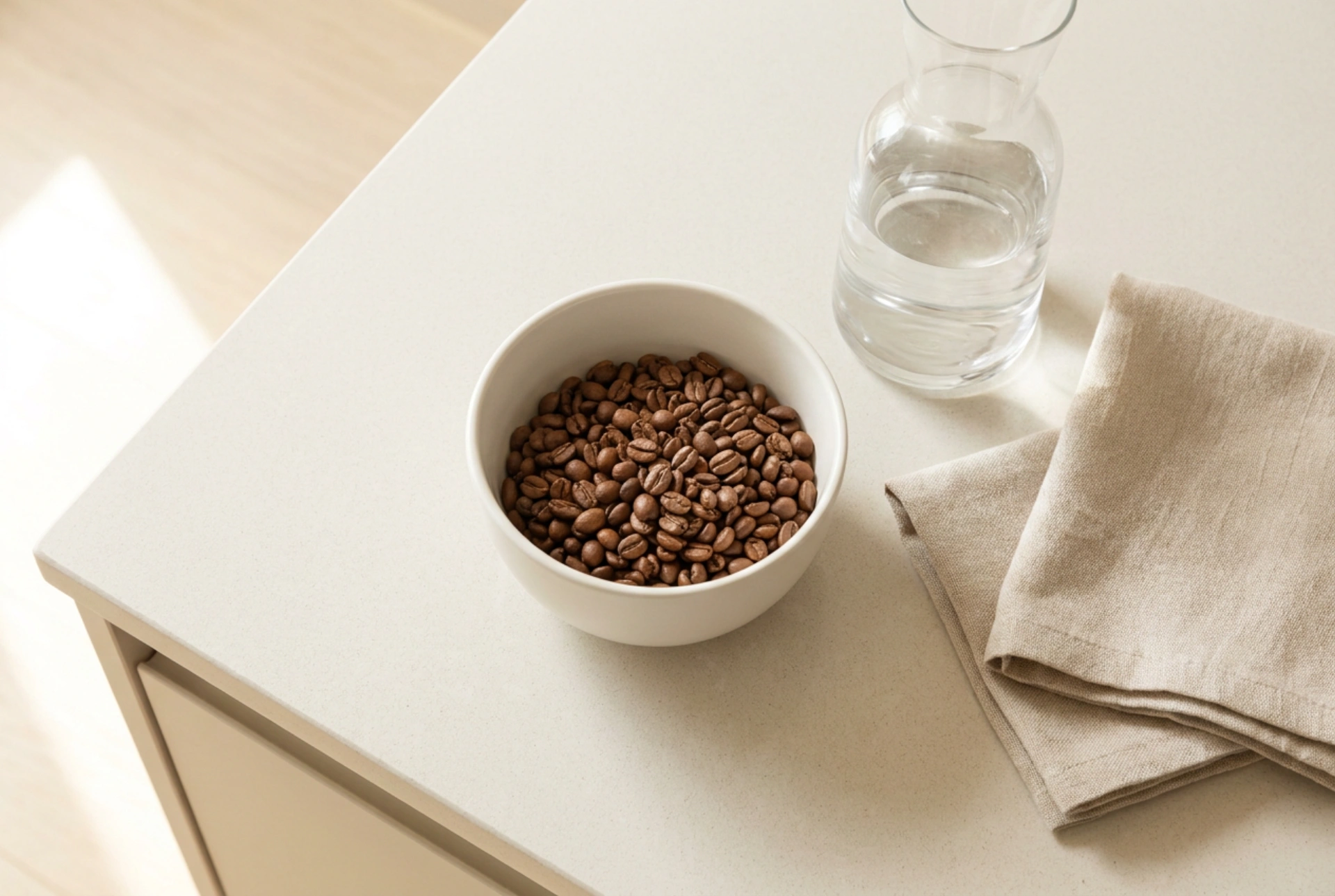
Coffee beans contain delicate lipids and volatile oils that give coffee its distinct aroma. When beans sit in the acrylic hopper, these oils gradually migrate to the surface and deposit onto the container walls. Exposed to oxygen and light, these lipids undergo auto-oxidation, turning into rancid compounds that negatively impact the flavor profile of future brews. Acrylic (polymethyl methacrylate) is highly susceptible to chemical degradation and micro-scratching.
Hopper Cleaning Protocol
- Empty the hopper completely to prevent moisture from reaching the grinder mechanism, which can cause corrosion or clogging.
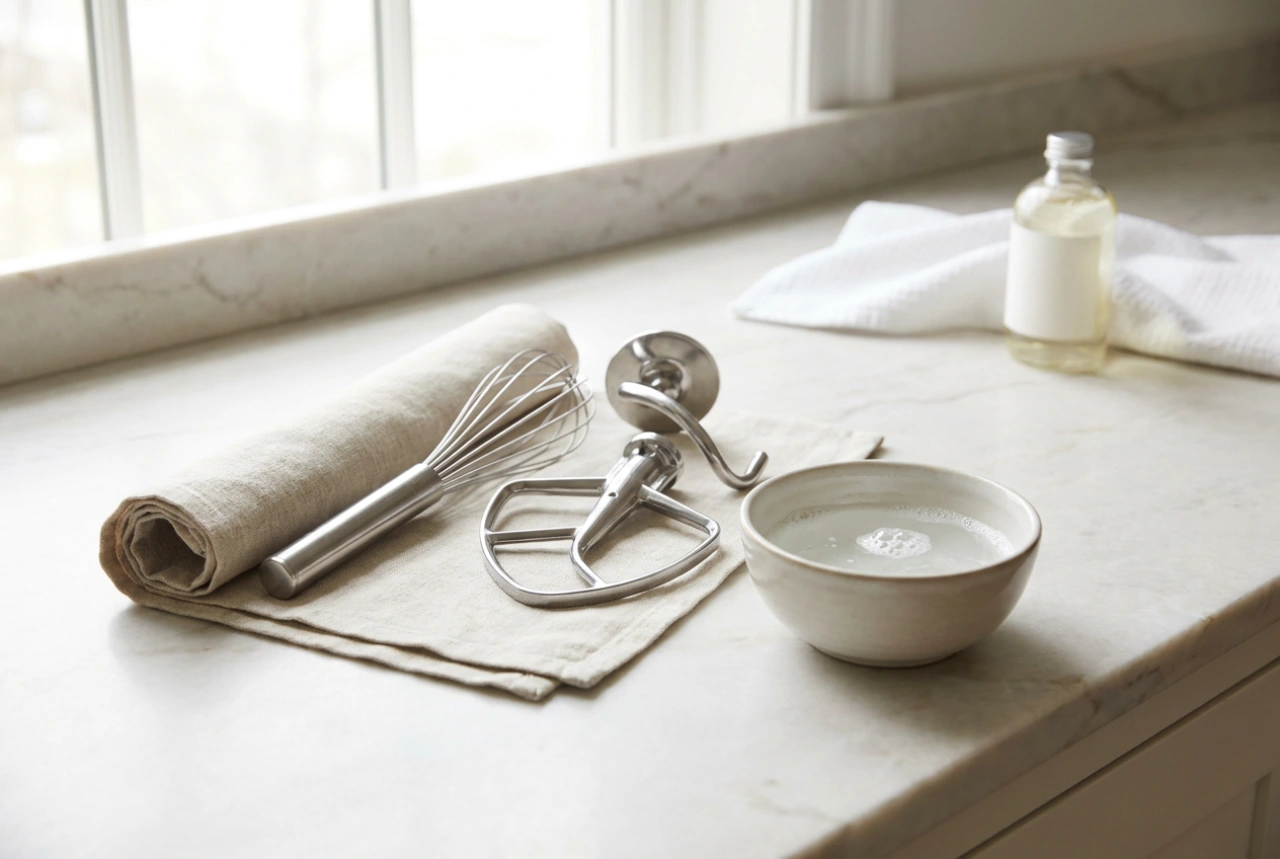
- Wipe the interior walls using a soft microfiber cloth dampened with warm water and a small drop of a neutral, fragrance-free surfactant (dish soap). Do not use abrasive pads or ethanol-based cleaners, as they can cause micro-fissures and clouding in the acrylic.
- Dry the hopper thoroughly with a lint-free cloth. Any residual moisture will migrate to the grinding burrs, leading to rust and clumping of coffee dust.
Descaling and the Chemistry of Mineral Deposits
Water heating systems inside coffee machines suffer from the precipitation of calcium and magnesium carbonates, commonly known as limescale. As water is heated, dissolved bicarbonate ions decompose into insoluble carbonates that adhere to heating elements and thermoblocks. This layer acts as a thermal insulator, forcing the machine to consume more energy and causing temperature fluctuations during extraction. To dissolve these deposits, an acidic solution is required to convert insoluble carbonates into highly soluble salts and carbon dioxide gas.
Choosing the Right Acid
- Lactic or Citric Acid: These organic acids are highly effective at dissolving calcium carbonate without compromising the integrity of internal components. Lactic acid is particularly gentle on the copper, brass, and aluminum alloys often found in heating blocks.
- Why to Avoid Vinegar: Vinegar contains acetic acid, which is highly aggressive toward the internal elastomeric seals (rubber gaskets and O-rings). Over time, acetic acid causes these seals to swell, degrade, and fail, leading to internal leaks. It also leaves a persistent sensory residue that is difficult to rinse out.
Brewing Unit Mechanics and Lubrication
The brewing unit is the mechanical heart of the machine, responsible for tamping the coffee puck, sealing the extraction chamber, and ejecting the spent grounds. Coffee grounds generate fine dust that mixes with water and migrating oils, creating a sticky paste. This paste increases friction on the moving gears and piston seals, leading to mechanical strain and potential motor failure. Mold also thrives in this warm, humid environment.
Mechanical Maintenance Steps
- Remove the brewing unit weekly and rinse it under lukewarm water. Do not use detergent on this part, as it strips away the essential food-grade grease applied to the moving joints.
- Let the unit air dry completely before reinserting it to prevent mold growth.
- Every few months, reapply a thin layer of food-grade silicone grease to the guide rails, drive shafts, and O-rings. This reduces friction, maintains the seal integrity under high pressure (often up to 15 bar), and prevents premature wear of the mechanical drive.
Milk System Hygiene: Proteins and Fats
Milk residue consists of proteins, fats, and lactose. When exposed to temperatures above 60°C during frothing, milk proteins (primarily whey and casein) undergo denaturation and coagulate, forming a tough film inside the steam wand or milk circuit. Fat deposits also build up, providing a breeding ground for bacteria.
Cleaning the Milk Circuit
- Flush the steam circuit with hot water immediately after every use to prevent proteins from baking onto the hot metal surfaces.
- Perform a weekly deep clean using an alkaline cleaning agent. Alkaline solutions are highly effective at breaking down fats (saponification) and dissolving protein structures, ensuring the passages remain clear and sanitary.