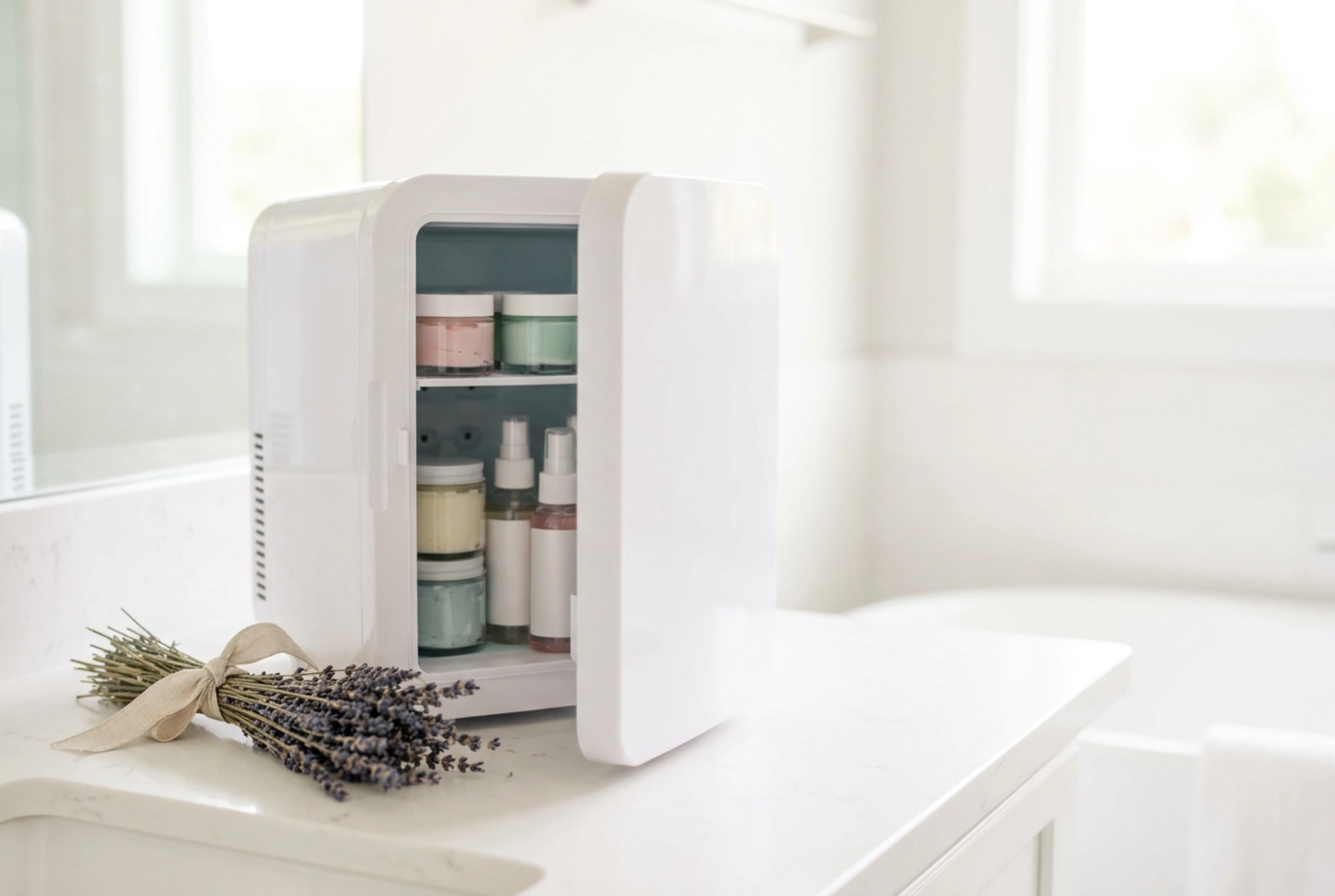


Small room refrigerators and mini-fridges are highly susceptible to musty odours due to their compact internal volume, limited airflow, and frequent cycles of opening and closing. Preventing these unpleasant smells requires understanding the physical and chemical processes that occur within these sealed environments and implementing a structured maintenance routine.
The Physics of Condensation and Odour Accumulation
In a standard-sized refrigerator, air circulates through a relatively large space, often assisted by active fan systems. In contrast, small room fridges rely primarily on static cooling, where heat is transferred through gravity-driven convection. This static system creates distinct temperature zones, with the coldest air settling at the bottom. When warm, humid air enters the fridge during opening, it rapidly condenses on the cold back wall and evaporator plate.
Because space is limited, this condensation easily pools behind storage bins or under glass shelves. If left standing, stagnant water combined with micro-particles of food creates an ideal environment for anaerobic bacteria and mould. These micro-organisms release volatile organic compounds (VOCs) as metabolic by-products, which we perceive as a stale, musty smell. Because the volume of air inside a mini-fridge is small, even a tiny colony of bacteria can saturate the entire cavity with odour.
Scientific Cleaning: Neutralising Odours at the Molecular Level
To eliminate musty smells, you must address both the biological agents and the chemical compounds they leave behind. Avoid harsh, scented household detergents, which merely mask odours and can leave behind chemical residues that taint stored items. Instead, leverage simple chemistry using sodium bicarbonate (baking soda) and acetic acid (white vinegar).
Sodium bicarbonate is a mild alkali that chemically neutralises acidic odour molecules, such as those produced by souring dairy or decaying organic matter. To clean, prepare a solution of two tablespoons of sodium bicarbonate dissolved in one litre of warm water. Wipe down all internal plastic liners, shelves, and wire racks. This solution not only neutralises VOCs but also helps lift greasy films without scratching the delicate polystyrene interior.
For areas showing signs of mildew or persistent mustiness, use a diluted solution of white vinegar (acetic acid). Acetic acid penetrates the cellular walls of mould spores, disrupting their internal pH and destroying them. Apply the vinegar solution to a microfibre cloth, wipe the surfaces, and let it sit for ten minutes before wiping dry with a clean cloth. Never mix baking soda and vinegar directly for cleaning; their acid-base reaction neutralises both active properties, leaving you with simple saltwater.
Maintaining the Magnetic Door Gaskets
The rubber door gasket is the primary defence against external humidity, yet it is often the most overlooked source of musty smells. The dark, moist folds of the magnetic seal collect dust, food crumbs, and condensed moisture, creating a perfect microclimate for black mould.
To clean the gasket, gently pull back the folds and wipe them with a soft cloth dipped in a mild soapy solution or a diluted vinegar mixture. Avoid abrasive pads or harsh solvents, which can degrade the synthetic rubber, causing it to crack and lose its sealing properties. After cleaning, dry the gasket thoroughly. To keep the rubber supple and ensure an airtight seal, apply a very thin layer of technical vaseline or paraffin oil along the contact surface once every few months.
The Defrosting Protocol and Airflow Management
Mini-fridges often lack automatic defrost cycles, leading to ice build-up on the evaporator plate. This ice acts as an insulator, forcing the compressor to work harder, and traps moisture and odours within its crystalline structure. When the fridge cycles off, the outer layer of ice melts slightly, releasing trapped odours back into the cabinet.
Defrost the unit regularly—ideally when the ice layer exceeds five millimetres. Turn off the power and place dry, absorbent towels at the base to catch meltwater. Never use sharp metal implements or knives to scrape ice; the evaporator coils contain refrigerant gas under pressure, and puncturing them will ruin the appliance. Once defrosted, dry the interior completely before restarting. Finally, ensure the fridge is positioned with at least a five-centimetre clearance on all sides to allow heat dissipation from the condenser, maintaining efficient cooling cycles and preventing internal condensation.