

Preparing your oven for an immediate baking session requires a rapid, targeted strategy that leverages heat and basic chemistry rather than time-consuming scrubbing. By understanding how high temperatures polymerize fats and how specific pH levels break down carbonized residues, you can restore a clean cooking environment in under thirty minutes.
The Physics of Baked-On Grime: Why Quick Cleaning Requires Heat
When food juices and fats splash onto the oven walls, the intense heat of baking causes polymerization. This chemical process links simple lipid molecules into complex, tough plastic-like chains that bond tightly to the porcelain enamel. Once these residues cool down, they solidify into hard, carbonized deposits. Attempting to scrape these cold deposits mechanically is not only physically demanding but also risks scratching and permanently damaging the protective enamel coating. To clean the oven quickly before your next bake, you must reverse this state by utilizing thermodynamic energy to soften the polymer chains and chemical agents to hydrolyze the grease.
The Thermal Steam Method: Softening Carbonized Residue
The fastest way to loosen bonded grease throughout the oven cavity is through steam-assisted hydrolysis. This technique uses moisture and moderate heat to penetrate the hardened layers, making them soluble and easy to wipe away. Follow this precise thermal process:
- Preheat your oven to 100 degrees Celsius (212 degrees Fahrenheit).
- Fill a large, oven-safe glass or ceramic bowl with approximately one liter of water.
- Place the bowl on the center rack and close the oven door, allowing the water to vaporize for 15 to 20 minutes.
- Turn off the oven and let it cool slightly until it is safe to touch, but still warm. The condensing water vapor will have penetrated and softened the carbonized surface residues.
Saponification with Alkaline Paste: Targeting Stubborn Patches
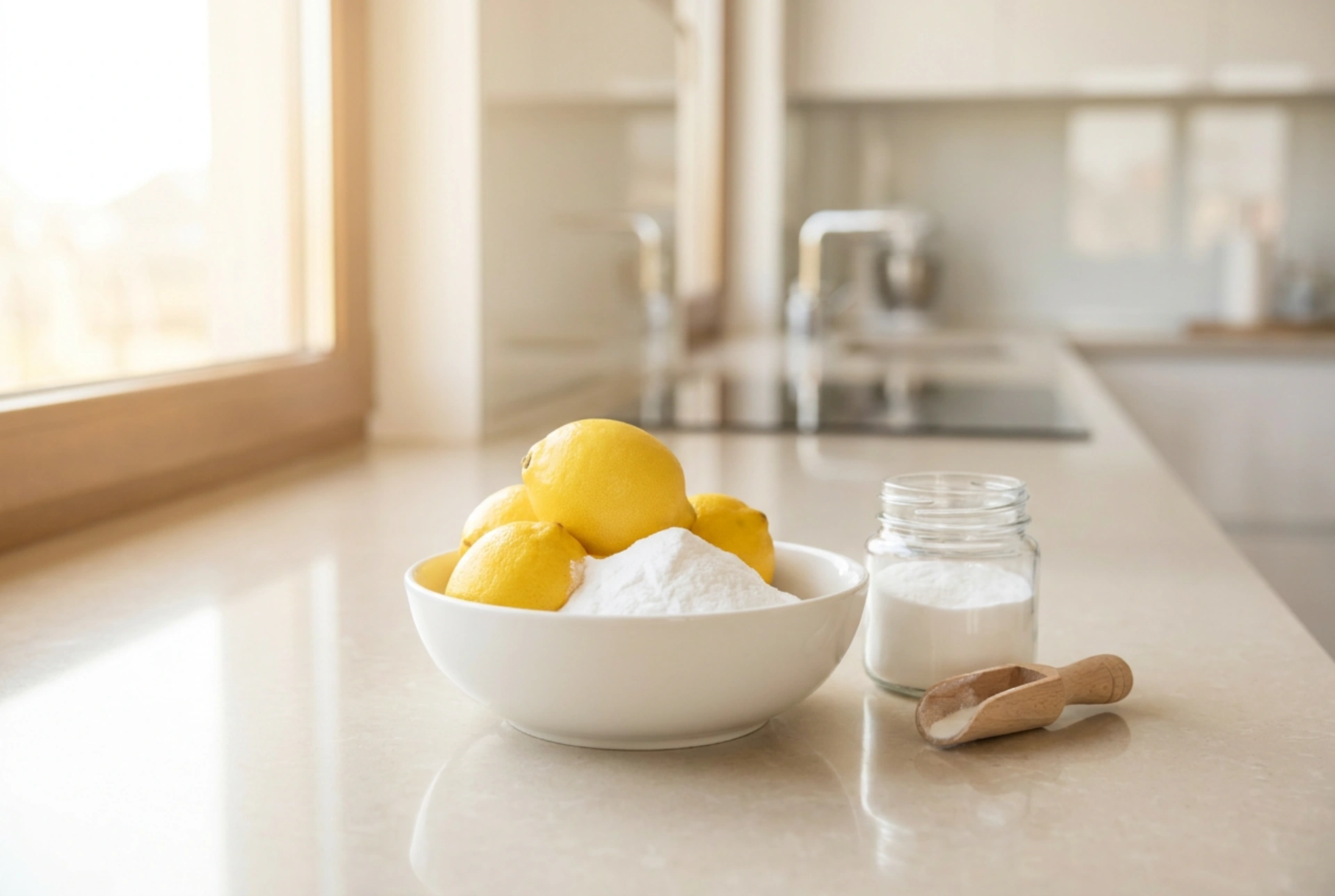
For areas with thick, dark grease buildup, steam alone may not suffice. Here, household chemistry provides a rapid solution via saponification—the chemical reaction that converts fats into water-soluble soap. Sodium bicarbonate (baking soda), a mild alkali with a pH of around 9, is ideal for this purpose. Create a thick paste by mixing three parts sodium bicarbonate with one part water. While the oven is still warm from the steam treatment, apply this paste directly to the greasy patches on the walls, floor, and glass door. Avoid applying the paste directly to the heating elements, as alkaline residues can corrode the protective metal sheathing when energized. Let the paste sit for 10 minutes; during this time, the alkaline molecules break the ester bonds in the fats, rendering them easily removable.
Mechanical Action and the Chemistry of Neutralization
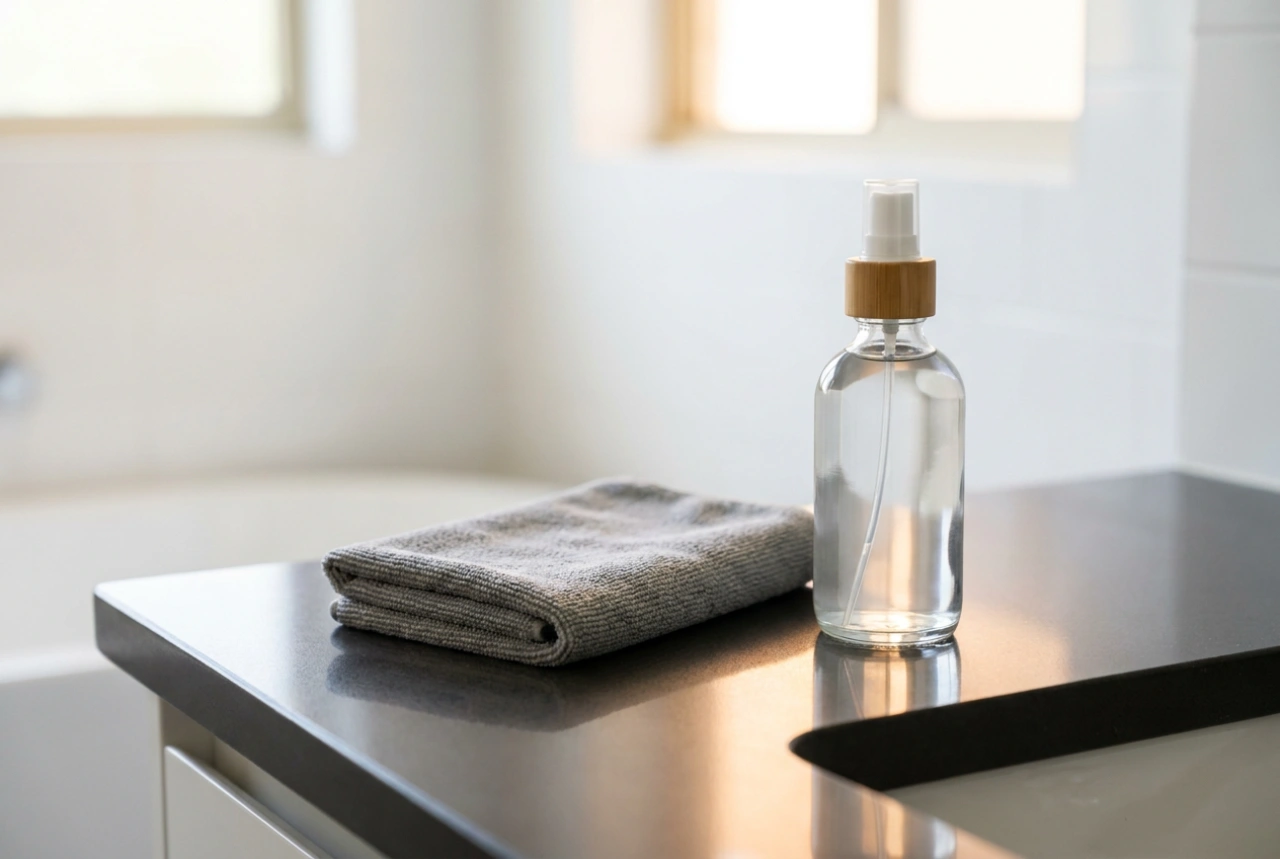
After the chemical agents have softened the grime, the physical removal must be executed with care to protect the oven surfaces. Use a non-abrasive cellulose sponge or a high-density microfiber cloth. Wipe the softened residue in smooth, circular motions. The dissolved grease and baking soda paste will lift away effortlessly. Once the bulk of the residue is removed, spray the surfaces lightly with a diluted solution of acetic acid (white vinegar). The acid reacts with any remaining sodium bicarbonate, producing carbon dioxide gas and water. This effervescent reaction lifts the final microscopic traces of dirt from the pores of the enamel. Wipe the surface one last time with a clean, damp cloth to remove all neutralized salts.
Drying and Thermal Prep Before Baking
Before placing your next meal into the oven, it is critical to ensure that no moisture or cleaning residues remain. Turn the oven to 120 degrees Celsius with the door cracked slightly open for five minutes. This expels any residual moisture and prevents the steam from interfering with the dry-heat crust formation required for baking. Your oven is now clean, free of chemical odors, and perfectly primed for your next culinary creation.