

Under-counter integrated refrigerators offer seamless kitchen aesthetics but demand a strategic approach to thermodynamics and spatial geometry to prevent food spoilage within their compact volumes.
The Thermodynamics of Compact Cooling and Airflow
Unlike tall, freestanding units, low built-in refrigerators operate with a highly compressed cooling cycle and limited internal volume, typically ranging from 100 to 140 litres. Understanding the physics of convection is essential for maintaining food safety. Cold air, being denser, naturally sinks to the lowest shelves, while warmer air rises toward the top. In an under-counter unit, the temperature differential between the top shelf and the crisper drawer can vary by up to 4°C.
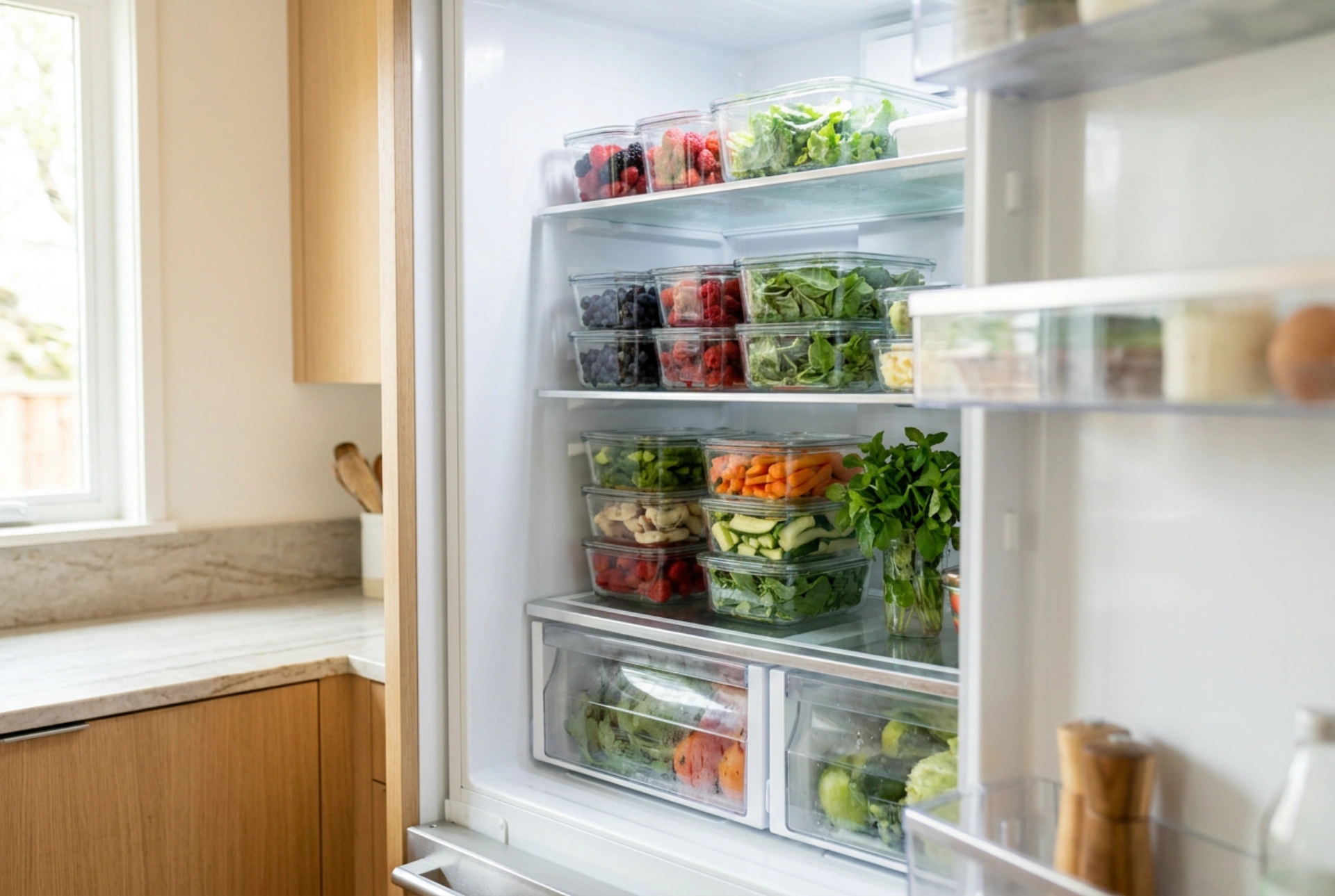
To ensure uniform temperature distribution, you must facilitate unimpeded air circulation. A common failure point in small fridges is overpacking, which obstructs the flow of cold air from the evaporator plate located behind the rear wall. Keep a minimum gap of two centimetres between food containers and the back wall. Touching the rear wall can cause capillary action, drawing moisture from the air and freezing your food, while simultaneously blocking the drainage channel designed to remove condensation.
Managing the Chemistry of Ripening and Humidity
Food preservation in a confined space requires active management of plant physiology, specifically transpiration and ethylene gas emission. Ethylene is a gaseous plant hormone that accelerates ripening and subsequent decay. In a small refrigerator, ethylene concentrations can build up rapidly, causing leafy greens to yellow and carrots to turn bitter.
- Ethylene Producers: Keep apples, pears, and tomatoes in sealed, breathable bags or designated zones.
- Ethylene-Sensitive Produce: Store broccoli, leafy greens, and cucumbers away from gas producers.
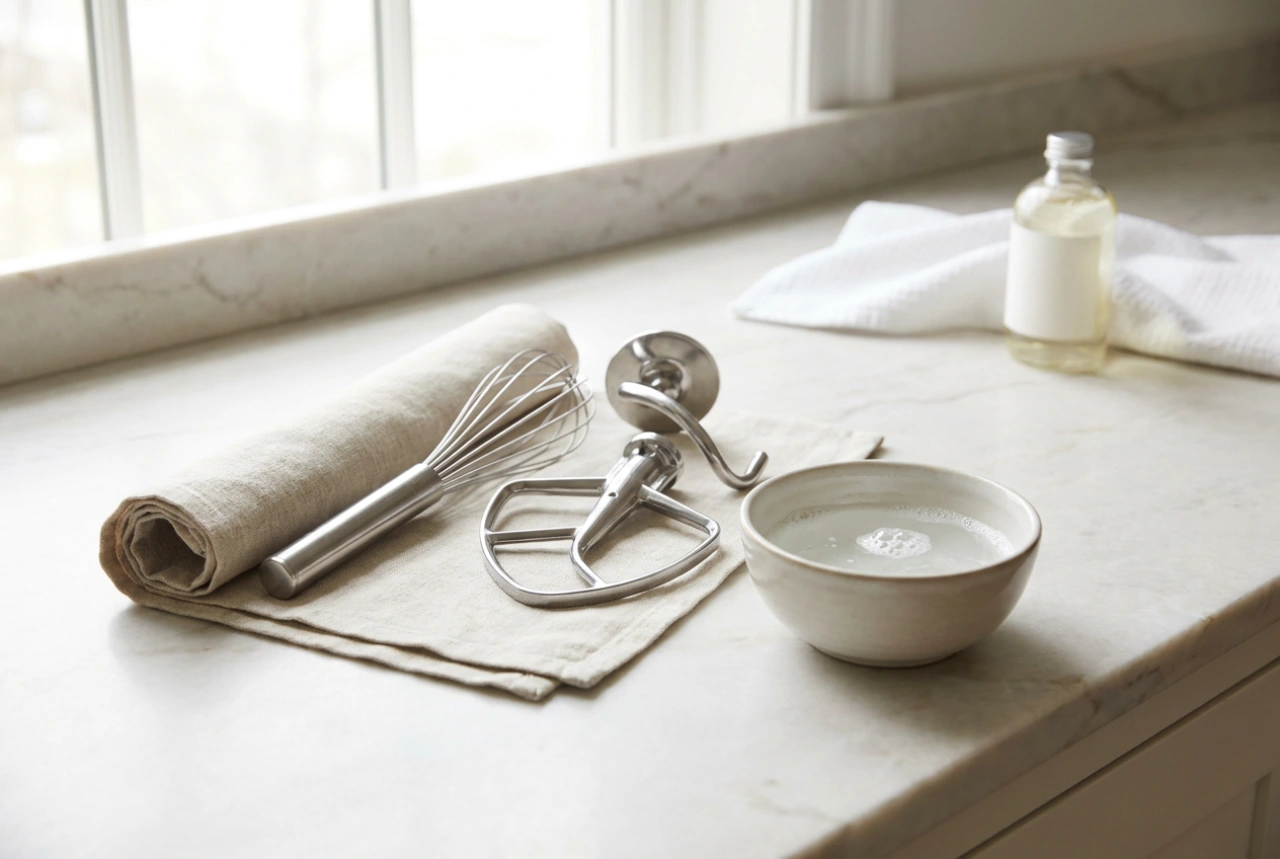
The bottom crisper drawer is engineered to limit airflow, thereby retaining relative humidity. This prevents transpiration—the process where water evaporates from plant tissues, causing wilting. Leafy greens thrive in this high-humidity zone. Conversely, excess moisture triggers mold growth. Line the bottom of the drawer with a clean, dry cotton cloth to absorb excess condensation without stripping the air of necessary humidity.
Material Science: Choosing the Right Storage Containers
In a low-volume refrigerator, the material and geometry of your storage containers directly affect thermal efficiency. Glass containers are superior to plastic due to their high thermal mass and conductivity. Glass absorbs and retains cold energy; when the refrigerator door is opened and warm ambient air enters, glass containers help buffer the internal microclimate, reducing temperature spikes.
From a chemical standpoint, glass is completely non-reactive. Acidic foods, such as tomato-based sauces or citrus marinades, can degrade plastic containers over time, leading to the migration of chemical plasticizers into the food. Furthermore, prioritize square or rectangular containers. Round vessels create dead space at their intersections, reducing usable shelf area by up to 21 percent. Stackable, modular glass containers maximize vertical space, ensuring every cubic centimetre of the low fridge is utilized efficiently.
Zonal Loading: The Physics of Food Placement
To maximize shelf life and prevent cross-contamination, assign specific food groups to dedicated temperature zones within the refrigerator:
- The Coldest Zone (Bottom Shelf): Positioned directly above the crisper drawer. This area stays consistently between 0°C and 2°C. It is reserved for raw meats, poultry, and fresh fish. Storing raw proteins at the lowest level prevents gravity-driven cross-contamination from accidental drips.
- The Intermediate Zone (Middle Shelf): Maintains a stable temperature of approximately 3°C to 5°C. Ideal for dairy products, eggs, cooked leftovers, and deli meats.
- The Warmest Zone (Door Bins): Subject to frequent temperature fluctuations every time the door opens. This area should only store highly stable items such as mustard, vinegar-based condiments, and pasteurized juices. Never store fresh milk or raw eggs in the door bins.