

Electric salt and pepper mills require specialized dry-cleaning techniques because moisture is the primary enemy of both their internal electronic components and their grinding mechanisms. Understanding the physical and chemical properties of spice residues is essential to maintaining these kitchen tools without causing corrosion or short circuits.
The Science of Spice Residues: Why Water is Forbidden
To clean an electric mill effectively, one must understand what is being removed. Pepper contains volatile essential oils, predominantly piperine, which leave a sticky, hydrophobic film inside the grinding chamber. This residue attracts dust and fine spice particles, creating a stubborn paste over time. Conversely, salt is highly hygroscopic, meaning it actively attracts moisture from the surrounding air. When salt dampens inside a mill, it dissolves slightly and recrystallises into hard crusts that can jam the grinding gears.
Using water to clean these residues presents severe risks. First, any moisture trapped in the grinding mechanism will corrode steel gears or cause microbial growth in the spice chamber. Second, liquid can easily seep past the drive shaft into the motor housing and battery compartment, causing immediate electrical short circuits and terminal oxidation. Therefore, maintenance must rely on mechanical friction and dry absorption.
The Dry-Purging Method Using Raw Rice
The most effective way to clean the internal grinding mechanism without disassembly is the dry-purging method. Uncooked, dry white rice acts as a natural absorbent and abrasive agent. It possesses a low moisture content and a high capacity to absorb surface oils left behind by peppercorns.
To execute this, empty the mill of all remaining peppercorns or salt. Fill the chamber with a small tablespoon of dry, uncooked white rice (avoid instant or parboiled rice, as these are too soft and can crumble into a paste). Run the mill on a medium grind setting until all the rice has passed through. As the hard grains pass through the ceramic or steel burrs, they physically scrape away accumulated spice oils and salt crusts while absorbing residual moisture. The resulting flour will emerge discoloured, carrying the stale oils out of the machine.
Manual Disassembly and Precision Brushing
For deep maintenance, periodic manual disassembly of the lower grinding assembly is necessary. Always remove the batteries or disconnect the power source before starting to prevent accidental activation.
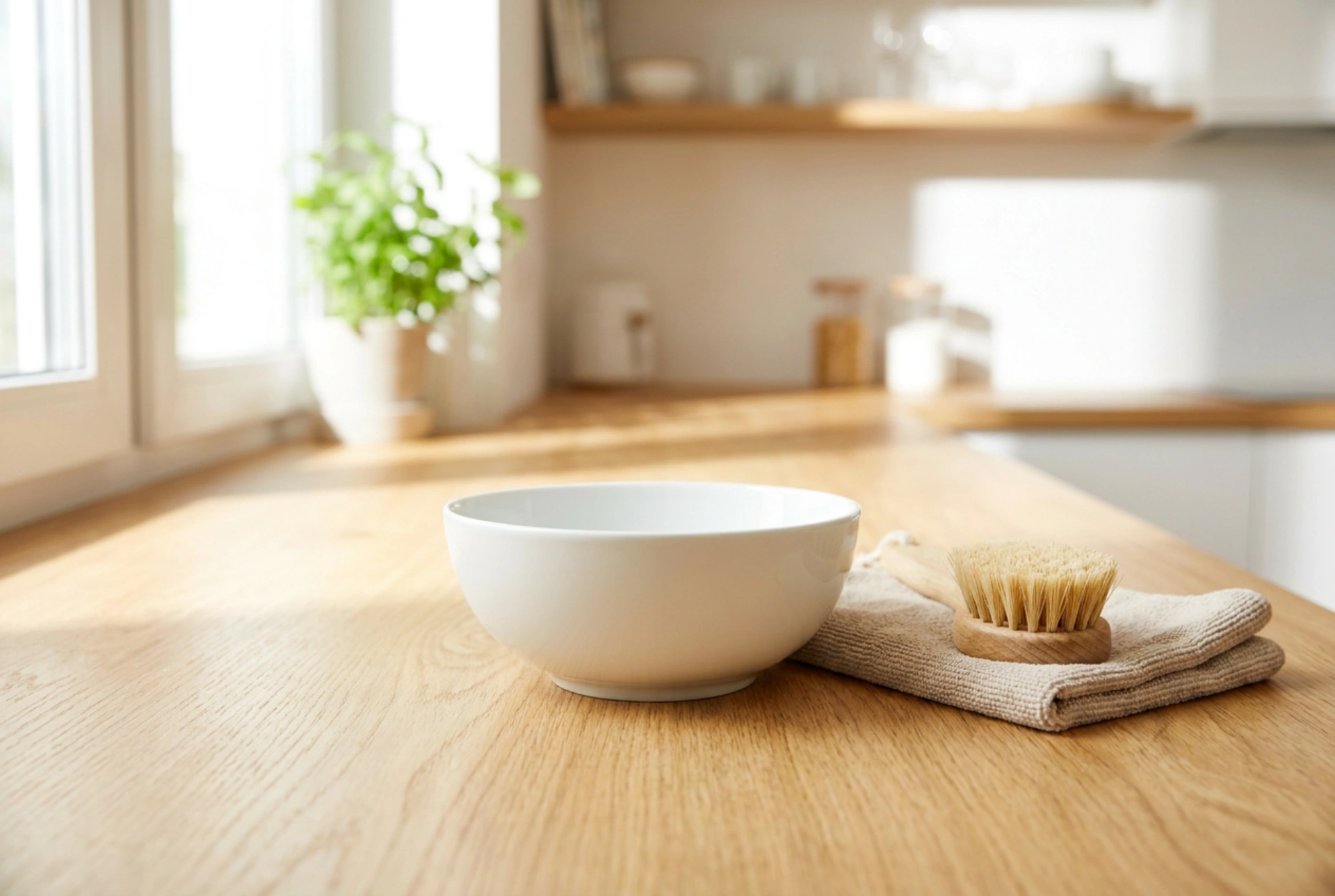
Once the adjustment knob and the lower burr are removed, use a small, stiff-bristled dry brush—such as a clean pastry brush or a dedicated nylon maintenance brush—to sweep away fine dust from the crevices. Pay close attention to the threads of the adjustment screw, where salt crusts frequently accumulate. If you encounter stubborn, hardened salt deposits on ceramic burrs, you may wipe them with a microfibre cloth slightly dampened with isopropyl alcohol. This solvent evaporates almost instantly, minimizing the risk of rust or lingering moisture. Never use alcohol on plastic housing, as it can degrade certain polymers.
Cleaning the Exterior and Battery Contacts
The exterior of electric mills frequently accumulates grease and fingerprints from cooking. To clean the outer casing, use a tightly wrung-out microfibre cloth dampened with a mild solution of warm water and a drop of neutral dishwashing liquid. Wipe the surface down, taking care not to let any liquid pool near the seams, buttons, or the battery compartment seam. Immediately dry the surface with a lint-free towel.
Inside the battery compartment, check for any signs of battery acid leakage or oxidation. If you notice a white or greenish crust on the metal contacts, gently scrape it off using a wooden toothpick. You can clean the contacts using a cotton swab lightly moistened with white vinegar, which neutralises the alkaline leakage, followed immediately by a dry swab to remove all traces of liquid.