

Cleaning a large food dehydrator requires a systematic approach to remove sticky organic residue, fungal spores, and stubborn juices without damaging the delicate plastic mesh or compromising the electrical base. Understanding the interaction between water temperature, surfactant chemistry, and mechanical action is the key to maintaining this appliance in pristine, hygienic condition.
The Chemistry of Dehydration Residue
When you dehydrate mushrooms, fruits, or herbs, moisture is evaporated, leaving behind concentrated sugars, proteins, and fibers. These organic compounds undergo physical changes, often forming a varnished, sticky layer that adheres tightly to the plastic trays. Most dehydrator trays are manufactured from plastics like polypropylene or polystyrene. These materials have a relatively low glass transition temperature, meaning that exposing them to boiling water or placing them in a high-temperature dishwasher cycle can cause warping, cracking, or chemical degradation.
To break down this residue without compromising the structural integrity of the plastic, you must rely on chemical dissolution rather than brute force. The dried juices contain water-soluble sugars and proteins that can be rehydrated and loosened. Introducing a surfactant—such as a standard neutral dishwashing liquid—lowers the surface tension of the water, allowing it to penetrate the dried crust much more effectively than plain water alone.
The Essential Pre-Soaking Method
The most critical step in cleaning large dehydrator trays is the initial soak. Attempting to scrub dried, hardened organic material directly will only result in micro-scratches on the plastic surfaces, which then become breeding grounds for bacteria and mould spores in future drying cycles.
- Fill a large basin or bath: Use a container large enough to submerge the trays fully. If your sink is too small, a clean bathtub or a large plastic utility tub works perfectly.
- Optimize the water temperature: Fill the container with lukewarm water, keeping the temperature between 35°C and 40°C. This temperature range is warm enough to accelerate the dissolution of sugars and fats, but cool enough to prevent any thermal distortion of the plastic trays.
- Add active agents: Mix in a few drops of a mild, surfactant-rich detergent. For stubborn residues or strong fungal odors, add two tablespoons of sodium bicarbonate (baking soda). This mild alkali helps neutralise organic acids and breaks down protein structures.
- Duration: Allow the trays to soak for 15 to 30 minutes. This gives the water molecules sufficient time to rehydrate the dried matter, breaking the bonds adhering it to the mesh.
Safe Mechanical Cleaning Techniques
Once the residue has softened, physical removal must be performed gently. Avoid wire brushes, steel wool, or abrasive scouring pads. Instead, use a medium-soft nylon brush or a high-density microfiber cloth.
When brushing the mesh trays, use a light, circular motion rather than heavy pressing. The bristles should penetrate the small holes of the mesh from both sides to push out trapped particles. For dual-sided cleaning, brush one side, flip the tray, and repeat. Always work systematically from the centre of the tray outward to ensure no section is missed. Rinse the trays thoroughly with clean, cold water immediately after brushing to wash away all suspended dirt and detergent residues.
Caring for the Motor and Heating Base
The base unit of a dehydrator houses the heating element and the fan motor. This section must never be submerged in water or subjected to heavy spraying, as moisture can cause short circuits, oxidise copper wiring, or ruin the motor bearings. To clean the base, unplug the appliance first. Wipe the exterior and interior plastic surfaces with a damp microfiber cloth that has been thoroughly wrung out. If sticky juices have dripped onto the base, apply a small amount of a diluted water-and-vinegar solution to the cloth to cut through the film, then wipe dry with a clean cloth immediately.
Drying and Preventing Mould Growth
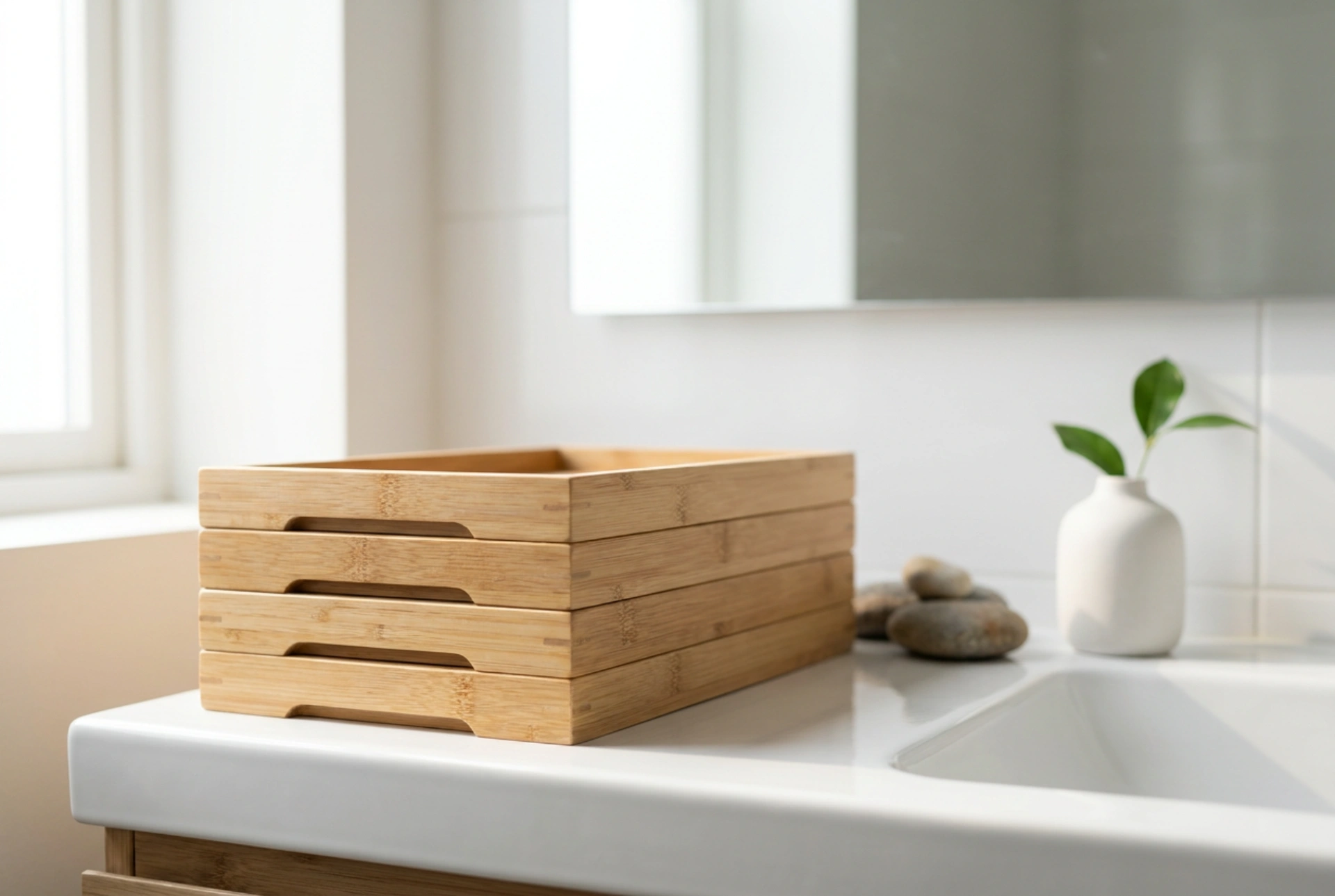
Before storing the dehydrator, complete dryness is absolutely essential. Any residual moisture trapped in the mesh or inside the unit's housing will encourage the proliferation of mould and mildew during storage. After shaking off excess water, lay the trays flat on a clean towel in a well-ventilated area. Allow them to air-dry completely for several hours. Once dry, reassemble the unit and store it in a dry, dust-free cabinet, ready for its next use.