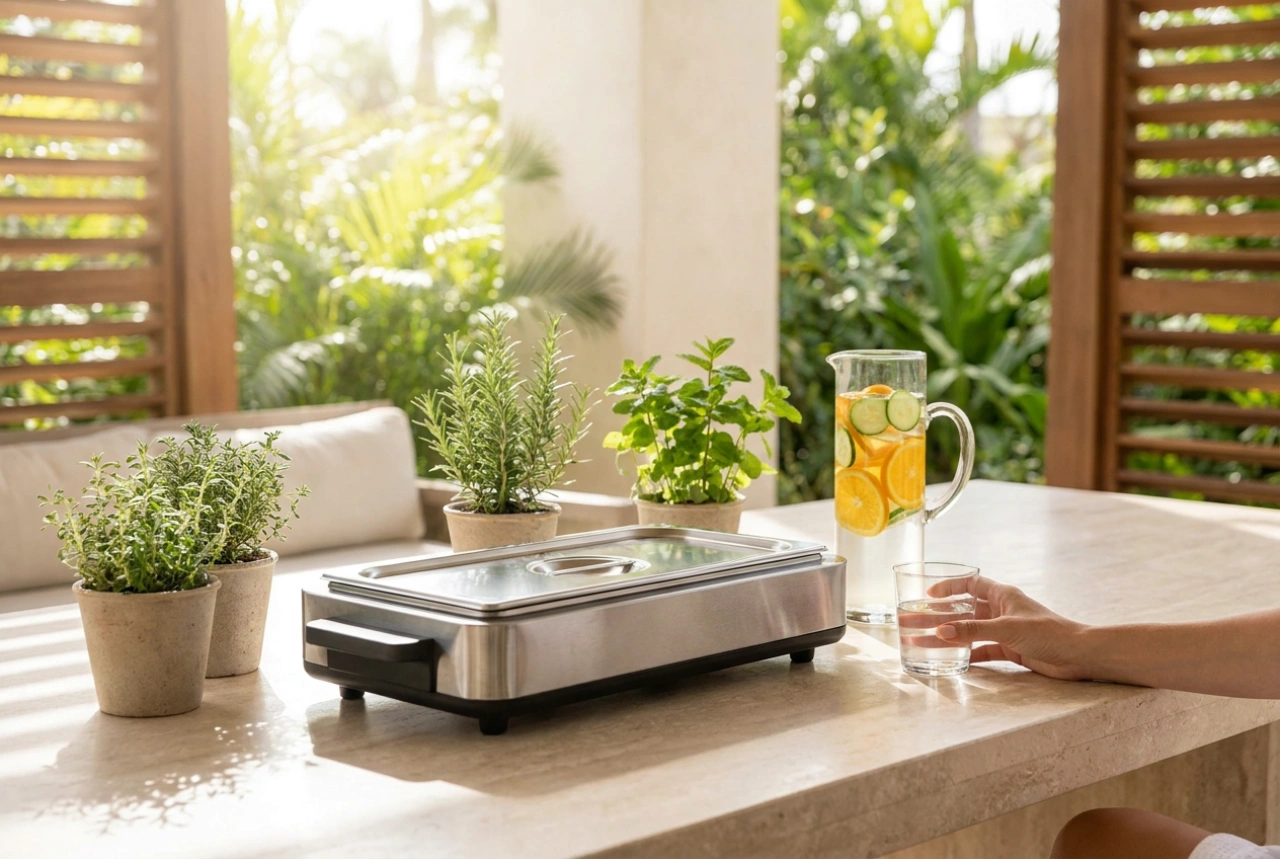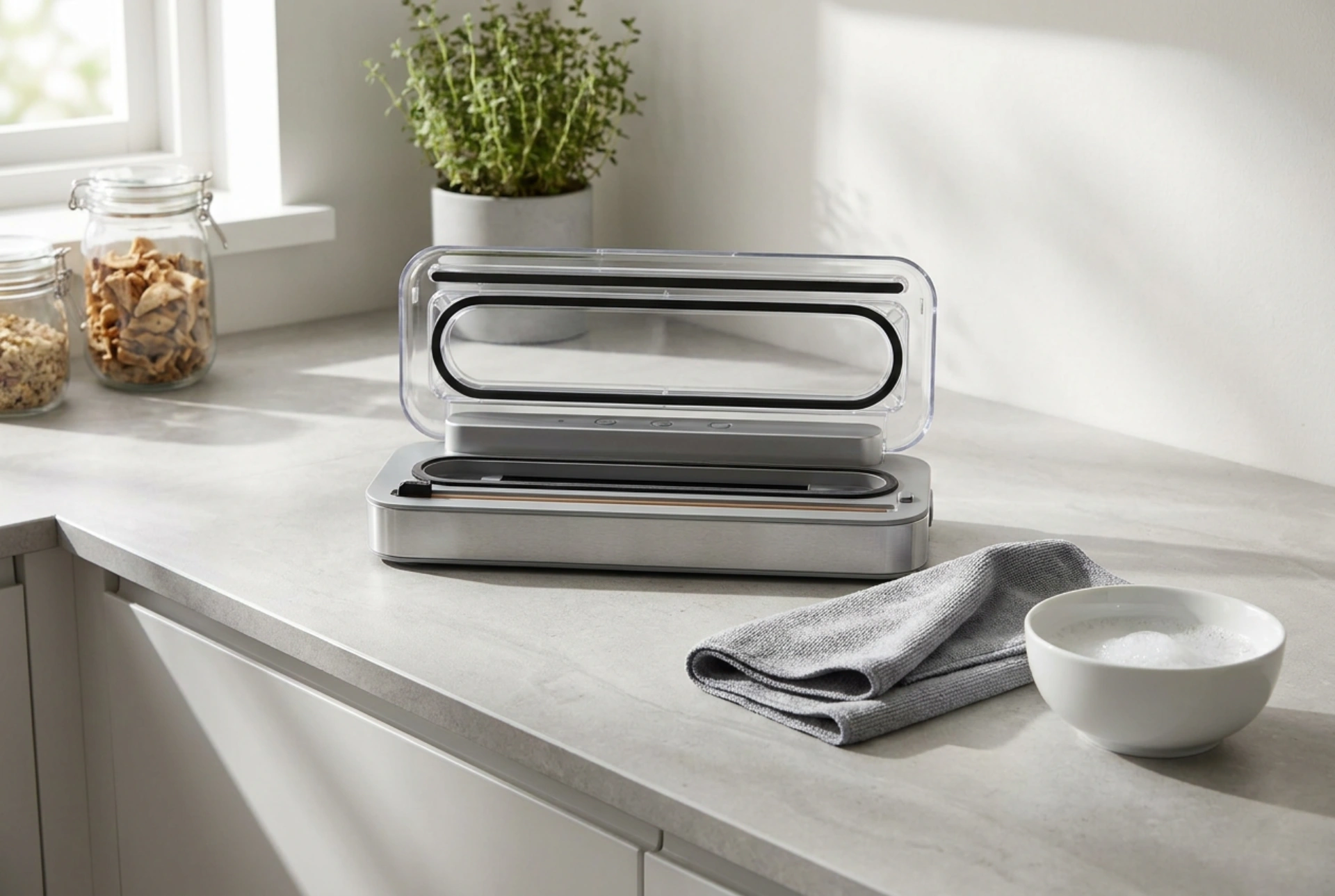


Vacuum sealing moist or marinated foods often draws liquids into the sealing chamber, creating a breeding ground for bacteria and risking mechanical failure if not cleaned immediately and correctly.
Understanding the Impact of Liquid Intrusion
When a vacuum sealer operates, it creates a pressure differential by evacuating air from the bag. If the food contains free liquid, the low-pressure environment lowers the boiling point of the liquid and encourages it to flow toward the vacuum pump. Most modern sealers feature a drip tray or a vacuum channel to capture this overflow. However, organic residues such as proteins, fats, and sugars left in these channels undergo rapid bacterial decomposition. Furthermore, grease can coat the sealing gaskets, causing them to lose their elasticity and fail to hold a vacuum in subsequent uses.
The Decontamination and Cleaning Protocol
Before undertaking any cleaning, always disconnect the appliance from the mains power supply to eliminate the risk of electrical shock. Never submerge the main unit in water, as liquid can bypass the housing and damage the internal vacuum pump and circuit boards.
1. Extracting and Cleaning the Drip Tray
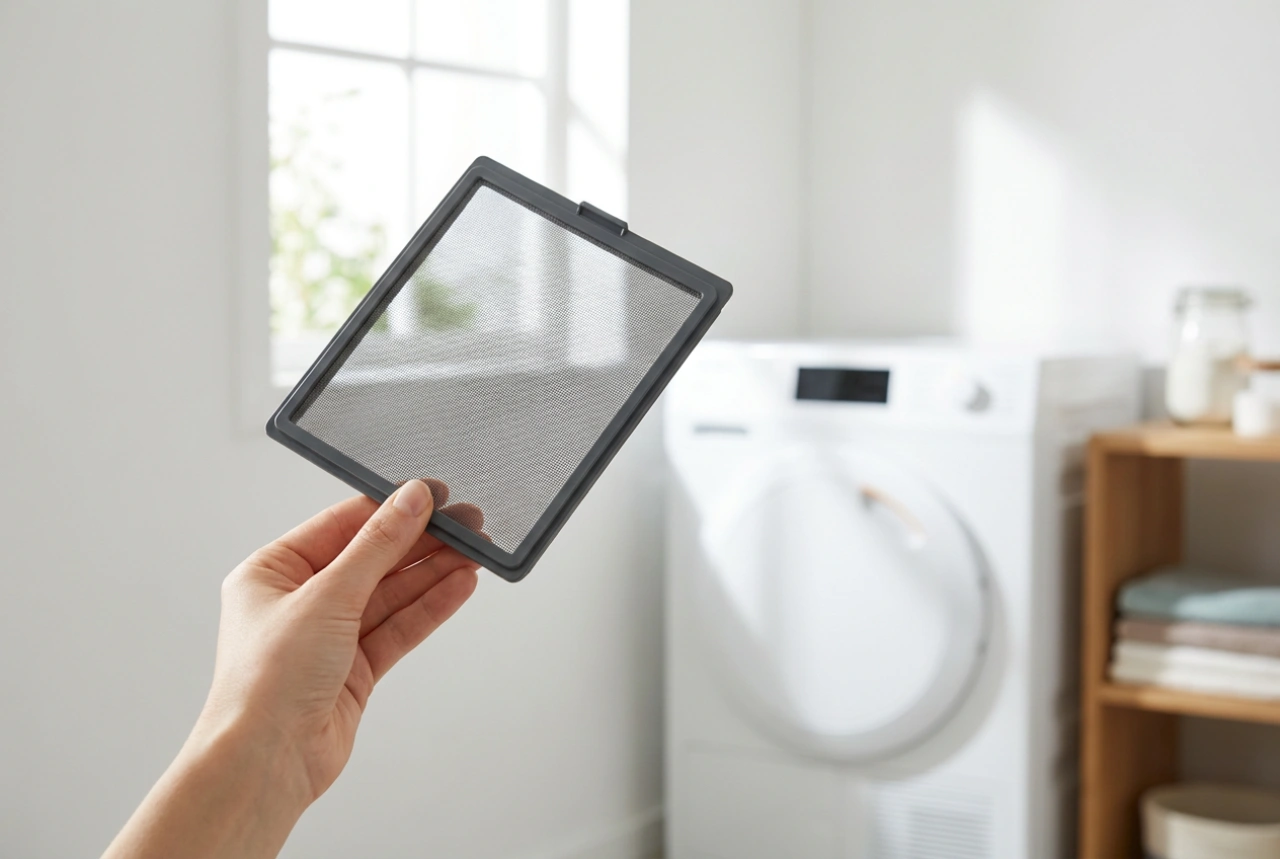
If your appliance has a removable drip tray, slide it out carefully to prevent spills. Wash it in warm water with a mild dishwashing liquid. Avoid using abrasive scouring pads, which can create micro-scratches in the plastic where bacteria can lodge. For stubborn grease, soak the tray in a solution of warm water and a tablespoon of oxygen bleach, which chemically breaks down organic matter without damaging the plastic polymer.
2. Maintaining Gaskets and Seals
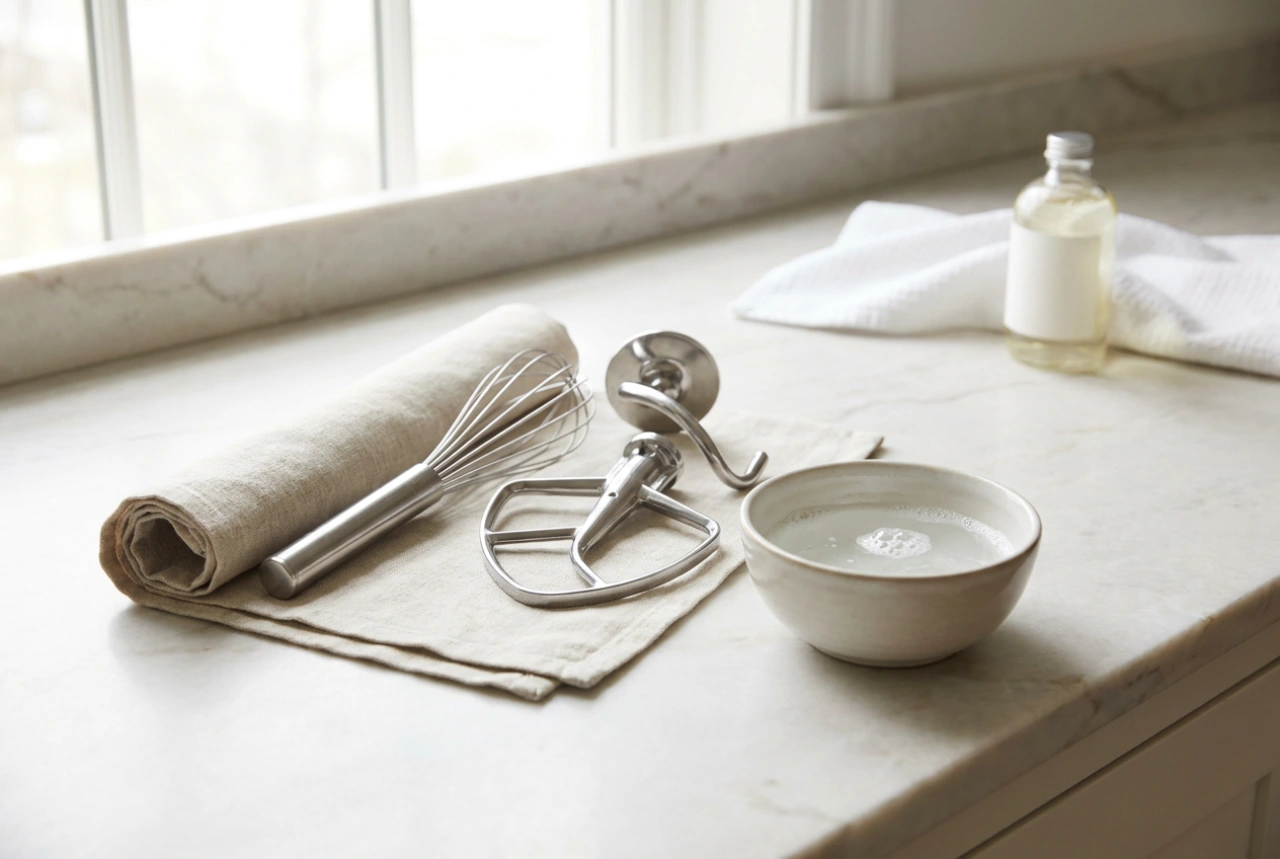
The upper and lower gaskets are typically made from silicone rubber or foam elastomer. These materials must remain supple to form an airtight barrier. Remove them gently if they are designed to be detached. Wipe them down with a soft microfiber cloth dipped in warm, soapy water. Avoid using alcohol-based cleaners, solvents, or harsh chemical detergents, as these substances strip plasticisers from the elastomers, causing them to dry out, crack, and lose their sealing capabilities. Allow them to air-dry completely before reinserting them.
Sanitising the Thermal Sealing Bar and Vacuum Channel
The heating element is covered by a heat-resistant polytetrafluoroethylene (PTFE) or Teflon tape. This bar melts the plastic bag to create the weld. If grease or liquid dries on this tape, it interferes with heat transfer, resulting in incomplete seals.
Wipe the sealing bar with a slightly damp microfiber cloth. Do not use metal scrapers, knives, or harsh abrasives, as scratching the PTFE tape will ruin the element. If caramelized sugars or burnt fats are stuck to the bar, place a warm, damp cloth over the area for a few minutes to soften the residue before gently wiping it away. Ensure the entire area is completely dry before storage.
Odour Neutralisation and Storage
Marinated foods often leave strong odours. To neutralise these without using synthetic fragrances, wipe the non-porous plastic surfaces of the chamber with a mild solution of white vinegar (acetic acid) diluted in water (a 1:5 ratio). Acetic acid breaks down alkaline odour molecules and acts as a mild sanitiser. Wipe again with a clean, water-dampened cloth to prevent any potential acid-induced corrosion on metal parts, and dry thoroughly.
Preventive Strategies for Moist Foods
To minimise cleaning efforts and protect your vacuum sealer's internal pump, modify your sealing technique for high-moisture items. Freezing liquids or marinades slightly before sealing solidifies them, preventing liquid draw entirely. Alternatively, placing a folded piece of clean paper towel inside the bag, just below the seal line, acts as a physical barrier that absorbs rising liquids before they can reach the vacuum channel. Utilizing the 'moist' or 'gentle' setting on your appliance reduces the speed and duration of the vacuum cycle, allowing the heating bar to seal the bag before the liquid front reaches the vacuum chamber.