

Cleaning a refrigerator thoroughly requires understanding the chemical nature of food residues and the physical properties of modern appliance materials. By utilising household chemistry—specifically pH neutralisation and mild surfactants—you can eliminate stubborn odours and sanitise surfaces without introducing harsh synthetic chemicals to food-contact zones.
The Chemistry of Cold-Storage Odours
Odours inside a refrigerator are primarily caused by volatile organic compounds (VOCs) released during the natural decay of food. These compounds are typically acidic (such as butyric acid from degrading fats) or alkaline (such as amines from decomposing proteins). Standard air fresheners merely mask these molecules with stronger synthetic scents, which can contaminate the taste of fresh dairy and produce.
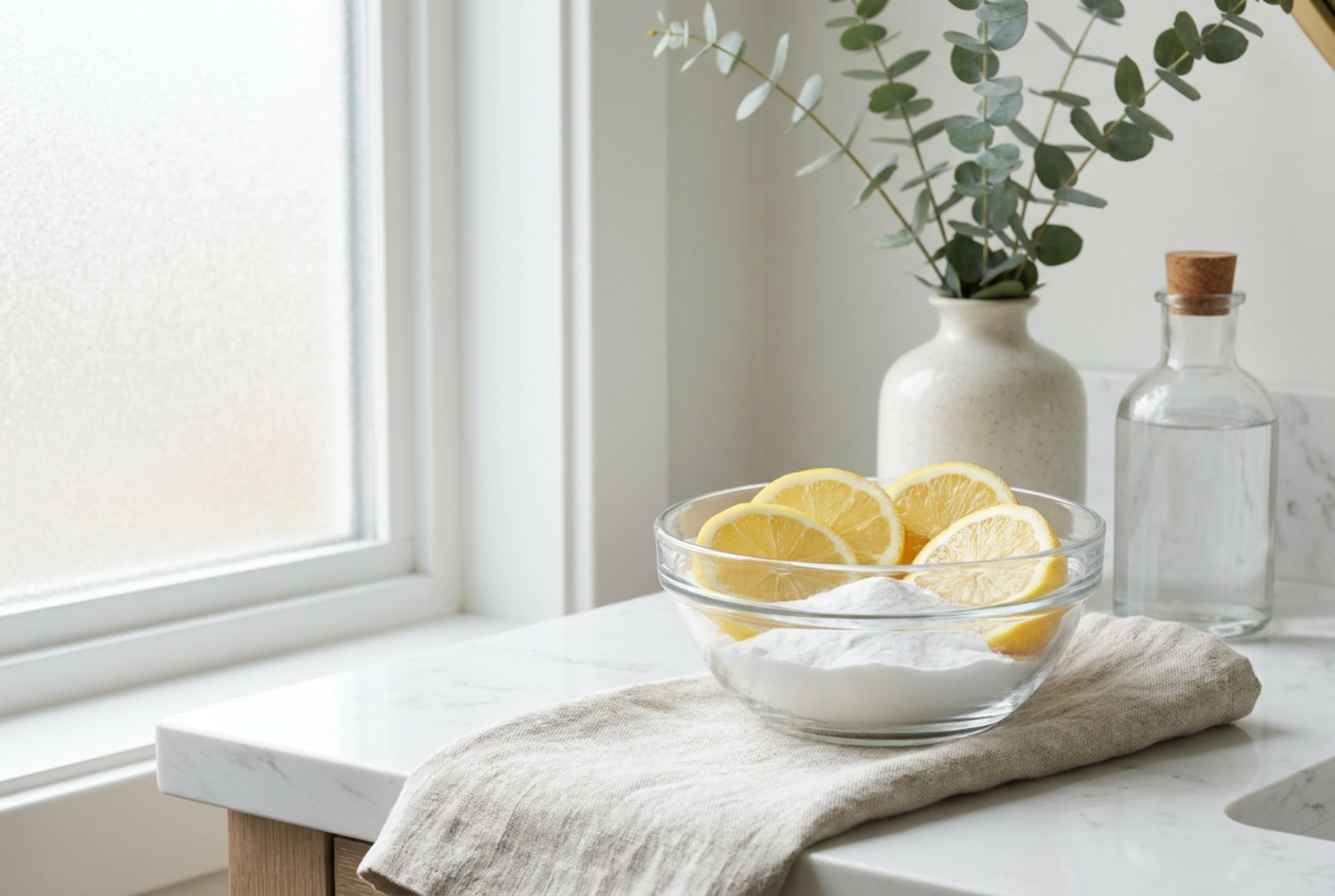
To truly eliminate odours, you must neutralise them chemically. Sodium bicarbonate (baking soda) is an amphoteric substance, meaning it can act as both an acid and a base. When volatile acidic or basic molecules come into contact with sodium bicarbonate, a chemical reaction occurs, converting the volatile compounds into non-volatile, odourless salts. Placing a shallow, wide bowl of sodium bicarbonate on a middle shelf maximises the surface area exposed to circulating air, actively scrubbing the environment of unwanted scent molecules via passive adsorption.
Thermal Management and Safe Disassembly
Before applying any cleaning solutions, proper preparation of the physical environment is essential. Always disconnect the appliance from its power source to prevent energy waste and ensure safety while doors remain open. Remove all food items and store them in insulated cool boxes to maintain the cold chain and prevent bacterial proliferation.
A critical physical consideration during disassembly is thermal shock. Glass shelves and plastic drawers stored at 4 degrees Celsius must not be immediately subjected to hot water. Sudden temperature changes cause rapid, uneven expansion of the material, which can lead to structural stress, micro-cracks, or catastrophic shattering. Allow all removable components to adjust to ambient room temperature before washing them with a mild solution of warm water and vegetable-based dish soap.
Tackling the Condensation Drain
The most common source of persistent, musty odours in a larder fridge is a clogged condensation drain. Located on the back wall of the compartment, this small opening funnels moisture away to an evaporation pan over the compressor. Over time, dust, food crumbs, and yeast spores accumulate in this channel, creating a dark, damp breeding ground for mould and biofilm.
To clear it, use a flexible pipe cleaner or a dedicated plastic clearing tool to physically dislodge any blockages. Avoid using stiff metal wires that can puncture the internal plastic drainage tube. Once clear, flush the drain with a solution of warm water and a few drops of white vinegar. The acetic acid in vinegar lowers the pH, destroying the cellular membranes of mould spores and preventing the reformation of biofilm without damaging the surrounding plastic casing.
Surface Cleansing: Acetic Acid vs. Alkaline Surfactants
The internal liner of most modern refrigerators is made of High-Impact Polystyrene (HIPS) or Acrylonitrile Butadiene Styrene (ABS). These plastics are highly durable but susceptible to degradation from strong chemical solvents, chlorine bleach, or abrasive scouring pads, which create microscopic scratches that harbour bacteria.
- For grease and mineral build-up: Use a dilute solution of white vinegar (one part vinegar to two parts warm water). Acetic acid efficiently dissolves limescale deposits caused by condensation and emulsifies thin layers of grease.
- For sticky spills and biological stains: Apply a paste of sodium bicarbonate and water. The mild abrasive action of the undissolved sodium bicarbonate crystals helps lift dried-on sugars without scratching the polymer surfaces, while its alkaline nature breaks down proteins and fats.
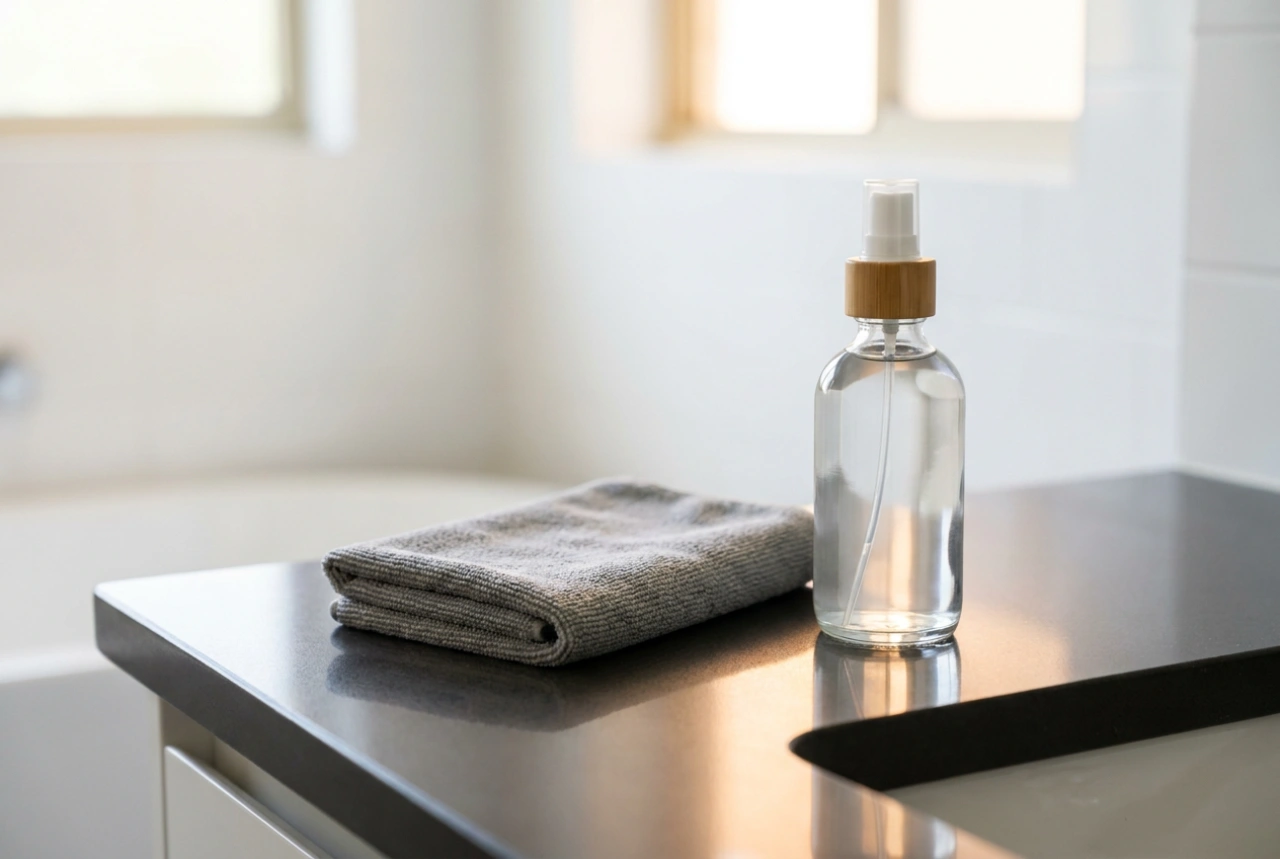
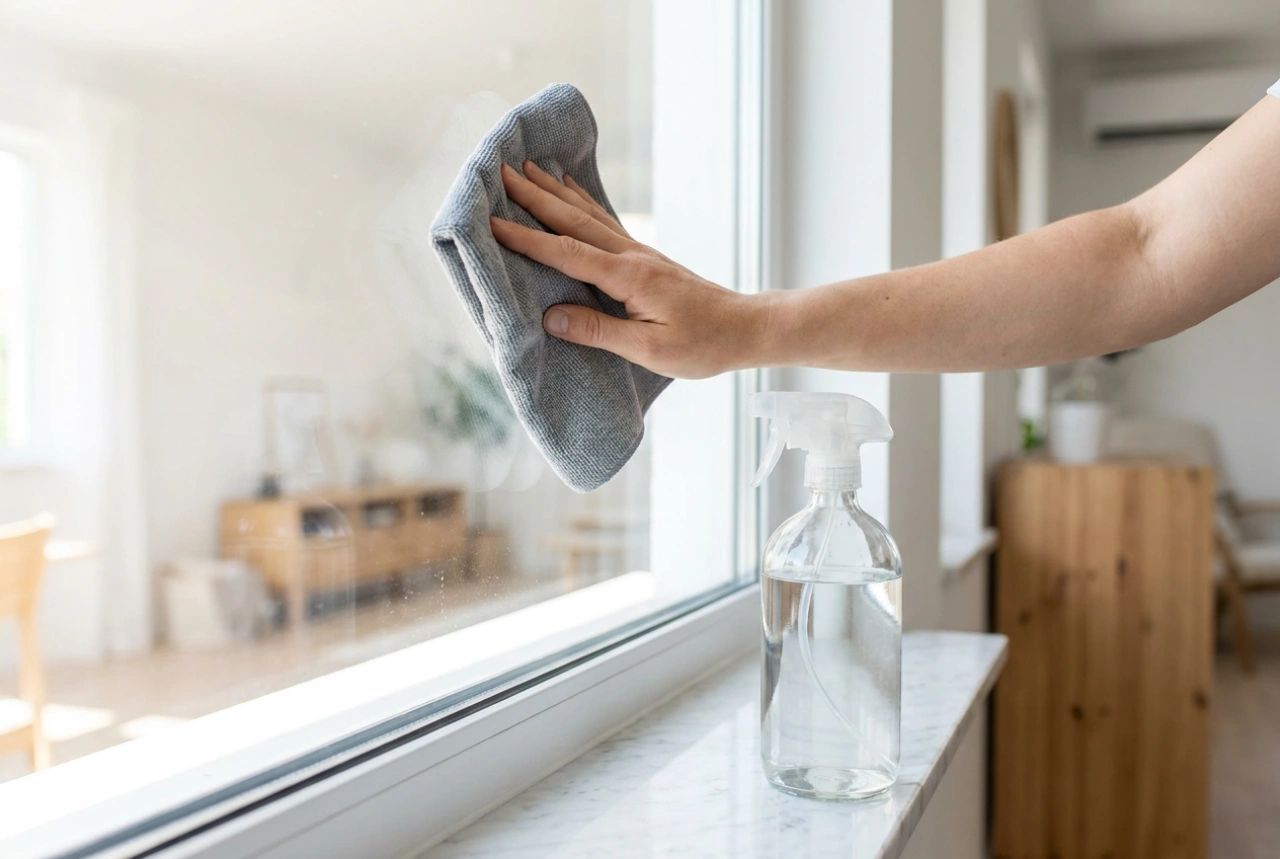
Always use a high-quality microfibre cloth. Microfibre relies on capillary action, where millions of polyester and polyamide fibres physically grab and lift microscopic dirt particles and bacteria from the surface, rather than simply smearing them across the plastic.
Reassembly and Preventive Care
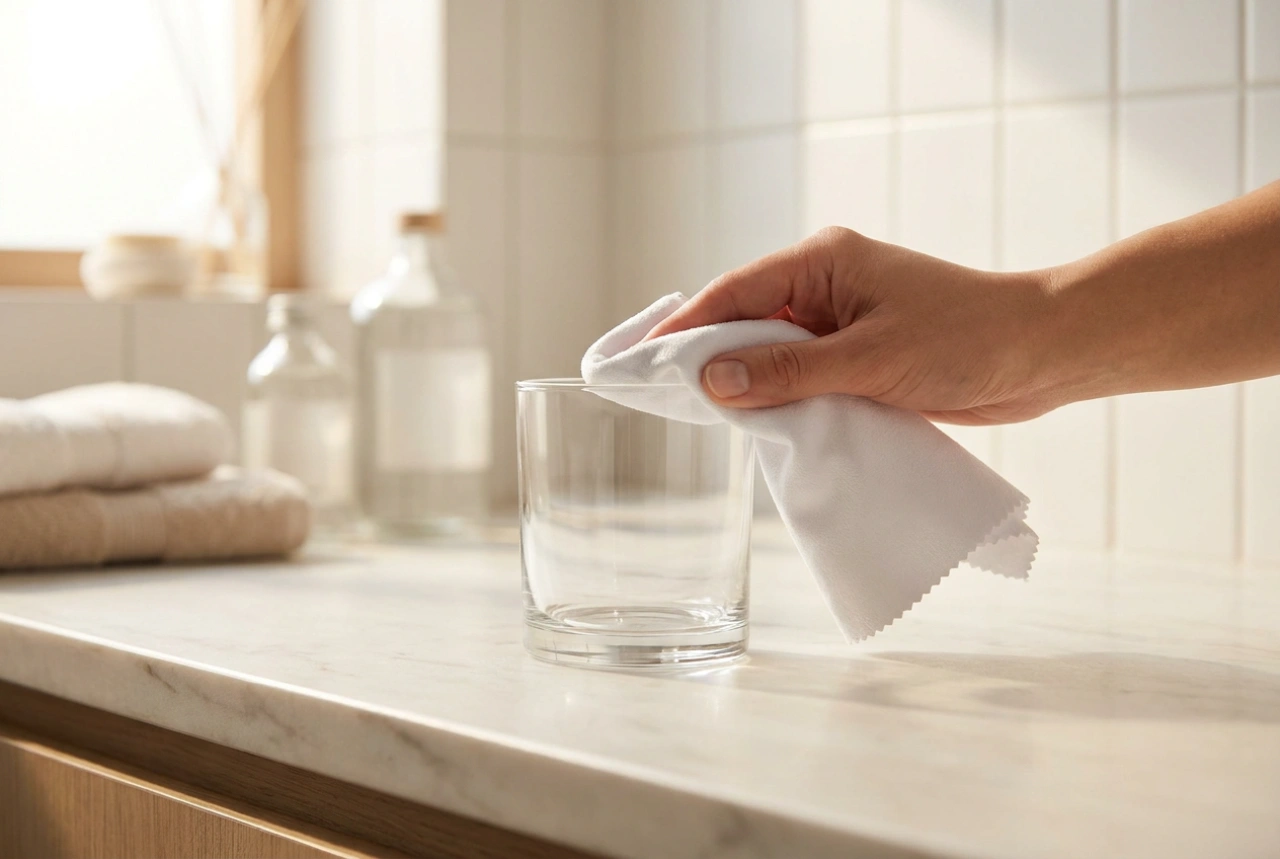
After washing all internal surfaces and removable parts, dry them completely with a clean lint-free cloth. Residual moisture is the primary catalyst for mould growth in dark, sealed environments. Once dry, restore the shelves, plug in the appliance, and allow the internal temperature to drop back to the standard cooling temperature before restocking. Organise food in sealed glass containers to minimise moisture evaporation and prevent future cross-contamination of odours.