

Drying mushrooms preserves their intense umami flavour, but the dehydration process releases organic compounds, sticky sugars, and microscopic spores that settle on every internal surface of the appliance. Neglecting to clean your food dehydrator after each use leads to cross-contamination, reduced heating efficiency, and potential microbial growth inside the unit.
The Chemistry of Mushroom Residues
Mushrooms are highly porous biological structures composed of chitin, proteins, and complex carbohydrates. During dehydration, moisture evaporates, but it carries volatile organic compounds and soluble sugars with it. As the water vaporises, these substances condense on the cooler surfaces of the dehydrator trays, walls, and fan housing. This creates a thin, often invisible, sticky biofilm of concentrated proteins and polysaccharides. If left untreated, this organic layer becomes an ideal breeding ground for bacteria and airborne mold spores, which thrive in any residual moisture left in the air ducts.
The Role of Fungal Spores
Mushrooms reproduce via microscopic spores. When warm air circulates through the trays, millions of these spores are released and carried throughout the entire chamber. Some spores are highly heat-resistant and can remain dormant on dry surfaces for months. In subsequent drying cycles—especially when dehydrating fruits or vegetables at lower temperatures—these spores can rehydrate and contaminate the fresh food, leading to rapid spoilage and off-flavours.
The Physics of Airflow and Heat Transfer
Food dehydrators rely on a precise balance of heat and forced airflow to extract moisture efficiently. This mechanism is highly sensitive to any physical obstructions within the drying chamber.
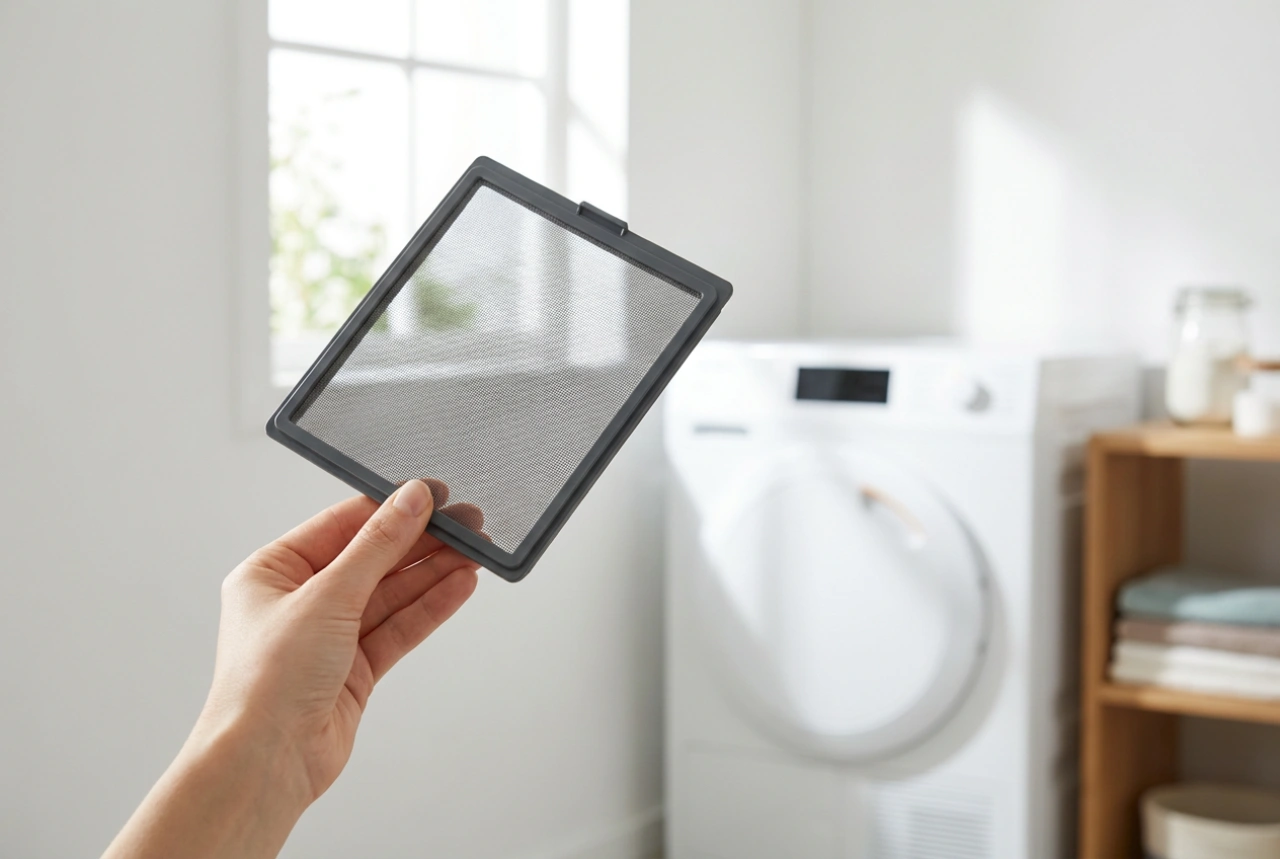
- Clogged mesh trays: Microscopic mushroom particles block the tiny apertures of the trays, disrupting laminar airflow. This creates uneven temperature zones, leaving some food under-dehydrated.
- Debris on heating elements: Dust and organic matter settled on the heating element can scorch, releasing acrid smoke and ruining the flavour of your food.
- Fan imbalance: Fine spore accumulation on the fan blades can alter their weight distribution, causing subtle vibrations that wear down the motor bearings over time.
Step-by-Step Decontaminating Protocol
Cleaning a dehydrator requires a systematic approach that balances physical agitation with appropriate chemistry, while strictly protecting the electrical housing from liquid ingress.
1. Softening the Organic Bond
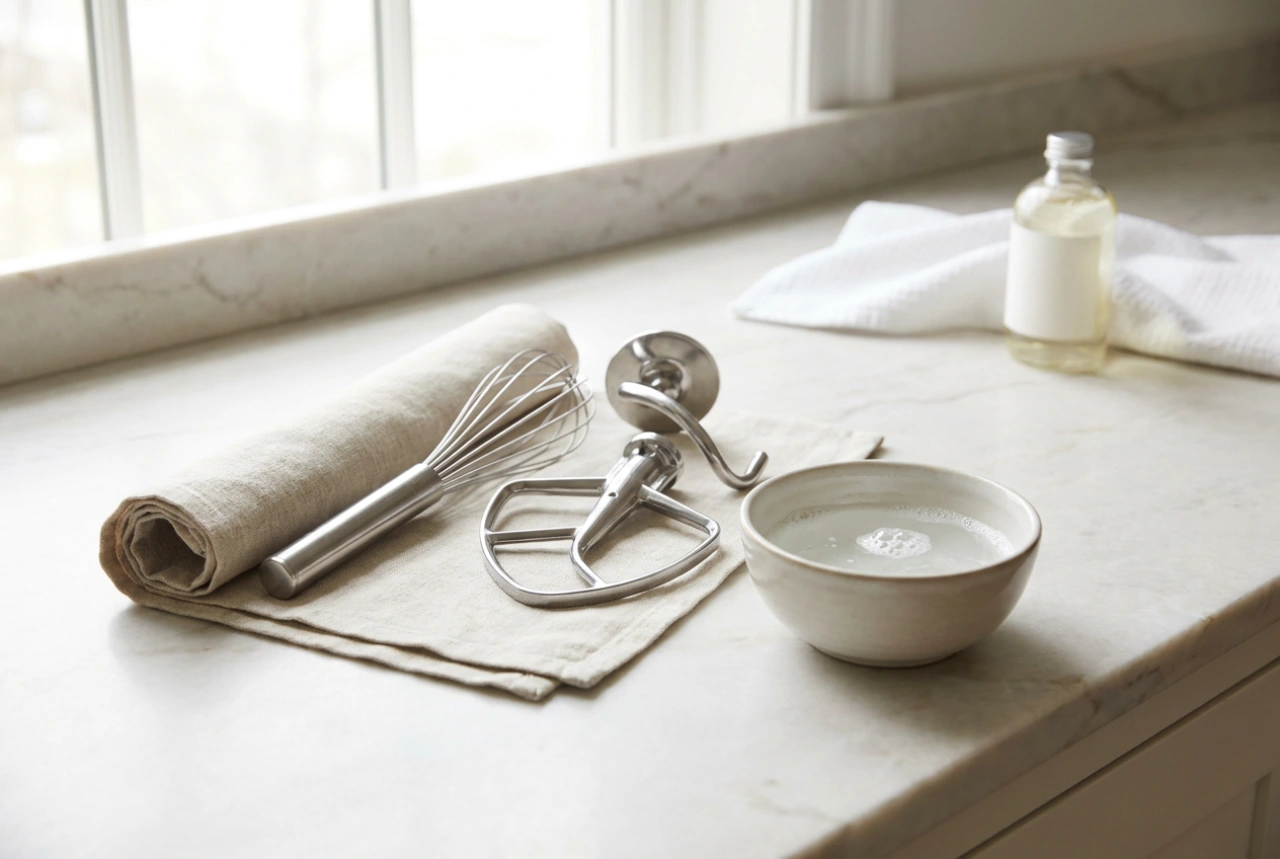
Never scrub dry trays, as this can scratch plastic or stainless steel surfaces, creating microscopic crevices where bacteria can hide. Instead, submerge the removable trays in warm water (approximately 45°C) mixed with a mild surfactant or a small amount of sodium bicarbonate (baking soda). The alkaline nature of sodium bicarbonate helps break down complex proteins and lipids without degrading the structural integrity of the trays. Allow them to soak for 15 to 20 minutes to naturally loosen the debris.
2. Gentle Mechanical Action
Use a soft-bristled brush or a non-scratch microfiber cloth to gently sweep away the softened organic matter from the mesh. Pay close attention to the joints and corners where the mesh meets the frame, as capillary action often pulls sticky liquids into these tight spaces.
3. Sanitising and Neutralising Spores
To eliminate lingering fungal spores, wipe down the non-electrical internal walls of the unit with a diluted solution of hydrogen peroxide or food-grade acetic acid (white vinegar). Hydrogen peroxide works through oxidation, breaking down the cellular walls of spores on contact, while acetic acid denatures proteins. Let the solution sit for five minutes before wiping it clean with a damp cloth.
4. Complete Thermal Desiccation
Before reassembling the dehydrator, every component must be thoroughly dried. Moisture trapped in small crevices can cause corrosion or mold growth while the unit is stored. After towel-drying, run the empty dehydrator at its maximum temperature setting (usually around 70°C) for 10 to 15 minutes. This thermal treatment drives out any microscopic moisture droplets from the fan housing and sterilises the internal atmosphere.