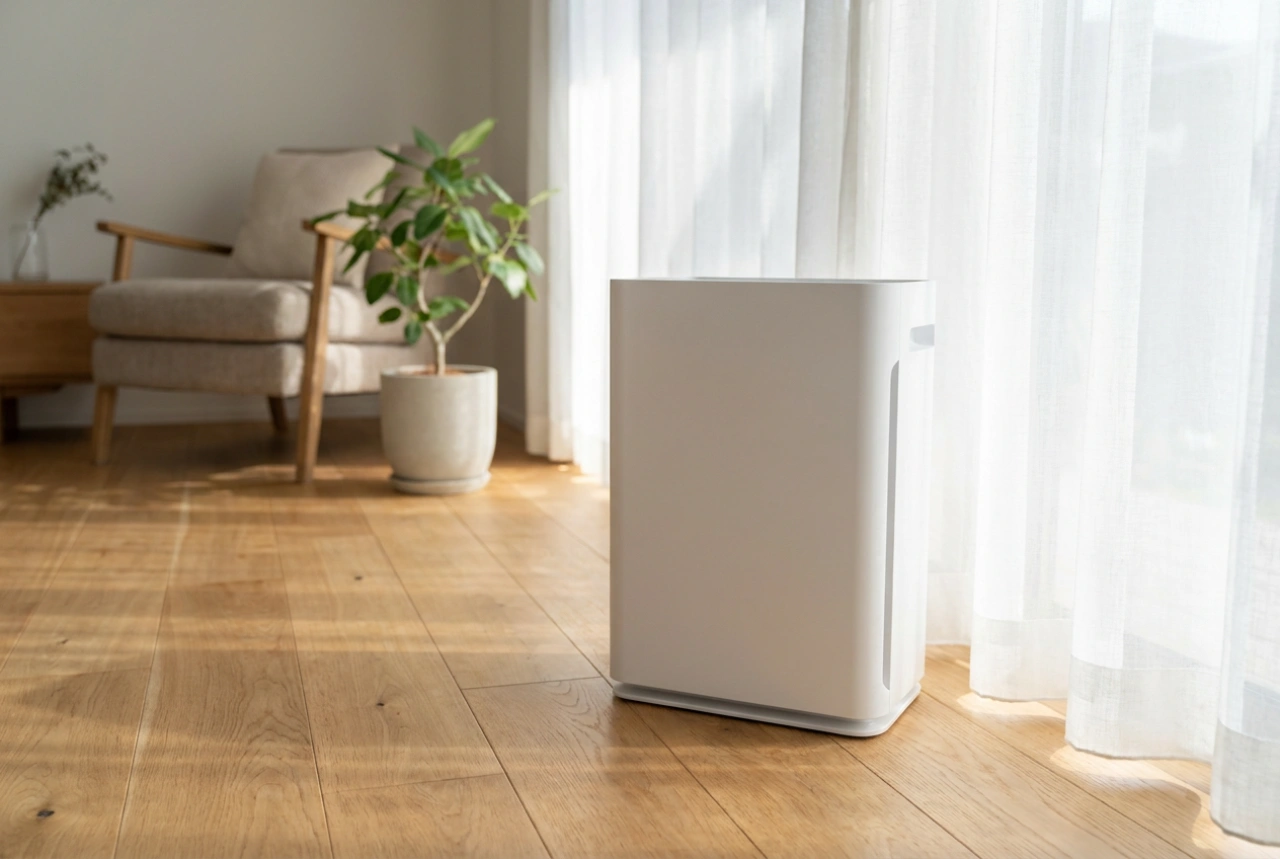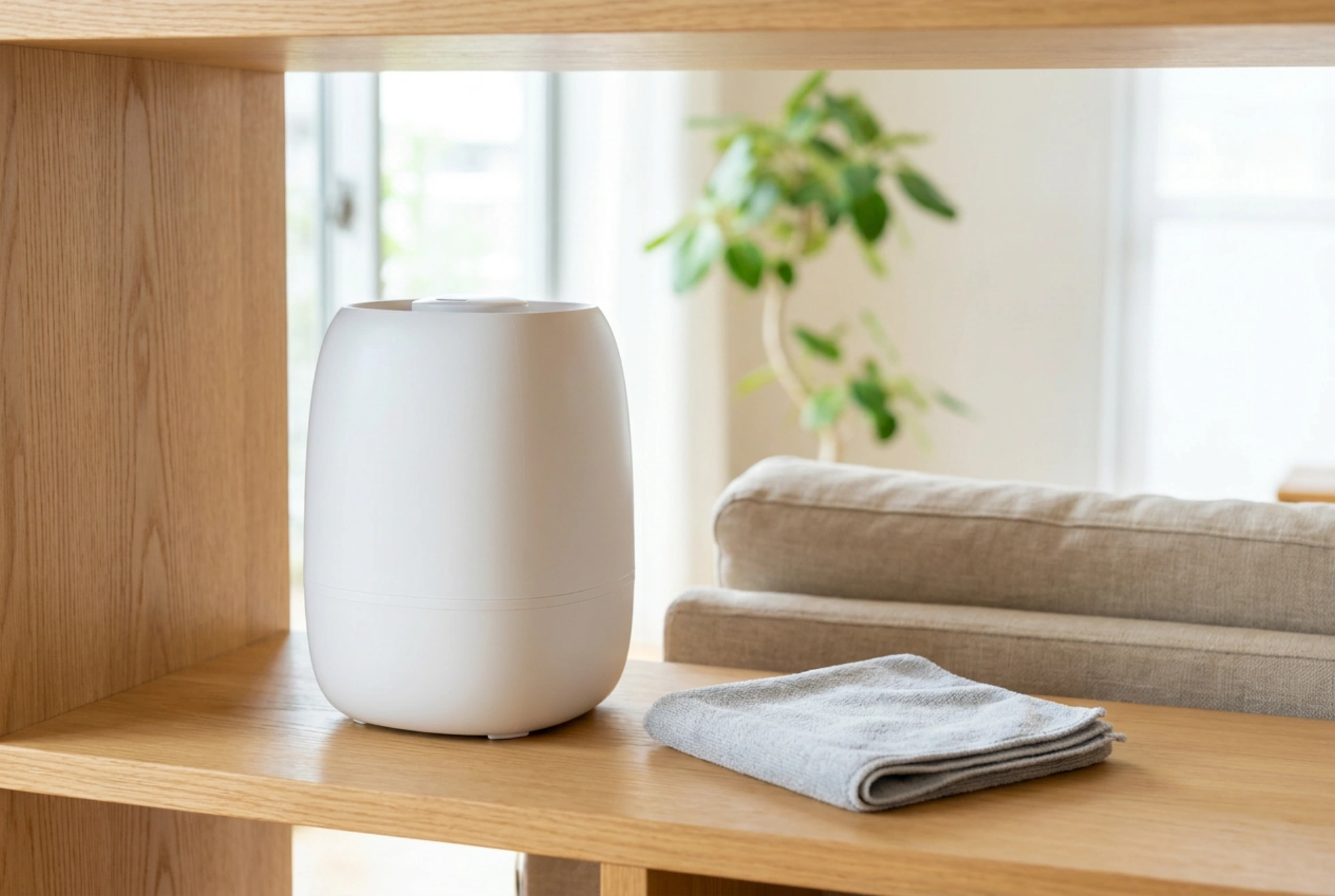


Maintaining a hybrid air purifier and humidifier is essential for preserving indoor air quality and ensuring the longevity of the appliance. Because these devices combine standing water with high-velocity airflow, they require diligent daily and weekly maintenance to prevent mineral scaling and biological contamination.
The Chemistry of Water and Mineral Scale Prevention
The primary challenge in any humidifying system is the accumulation of mineral deposits, primarily calcium carbonate and magnesium carbonate, commonly known as limescale. When water evaporates from the device, it leaves these dissolved solids behind. Over time, this scale forms a hard, porous crust that serves as an ideal anchor for bacterial biofilms and mold spores.
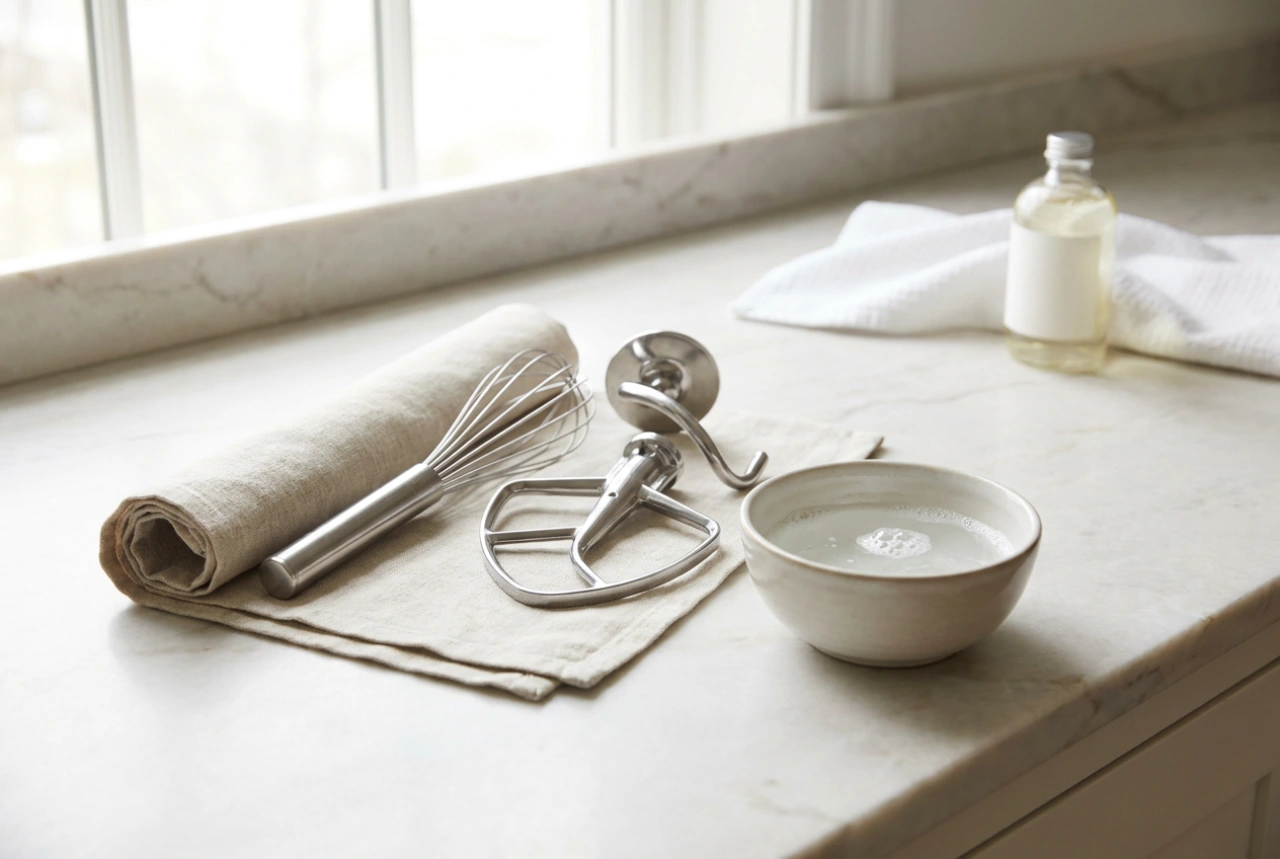
To manage this chemically without damaging the plastic components of the appliance, you must use mild organic acids, such as citric acid or acetic acid (found in white vinegar). Avoid harsh mineral acids or chlorine-based bleaches for routine descaling, as they can degrade synthetic gaskets and cause stress cracks in polycarbonate reservoirs. When descaling, empty the tank completely, fill it with a solution of warm water (around 40 degrees Celsius to accelerate the chemical reaction without warping the plastic) and citric acid. Let it sit for twenty minutes to dissolve the calcium carbonate into water-soluble calcium citrate, then rinse thoroughly with cold, clean water.
The Risk of Biofilms in Standing Water
Standing water in a humidification reservoir is a prime breeding ground for microorganisms. Within 24 to 48 hours, bacteria can establish a biofilm - a protective slimy matrix that shields them from simple rinsing. To disrupt this physical layer, daily water changes are non-negotiable. Always empty the reservoir entirely, wipe the internal surfaces with a clean, lint-free microfiber cloth to physically break up any developing biofilm, and refill with fresh water. If the appliance is left idle for more than a day, it must be dried completely to halt microbial replication.
Caring for the Humidifying Element and Wick
Evaporative humidifiers utilise a matrix or wick to draw water upward via capillary action, allowing air to pass through and absorb moisture. When hard water evaporates from this matrix, minerals crystallise directly within the fibres, gradually clogging the micro-pathways and reducing evaporation efficiency.
Never scrub or wring out a delicate paper or synthetic humidification wick, as this destroys its structural integrity and capillary properties. Instead, submerge the element in a dilute citric acid bath to dissolve the mineral deposits. Rinse it by gently pressing it into clean water, allowing gravity to drain the excess fluid. If your device uses a rotating plastic wheel, these can typically be disassembled and washed with a soft brush and mild, fragrance-free dishwashing liquid to remove physical debris.
Protecting the Air Filtration System from Moisture
A hybrid appliance houses both a water reservoir and dry air filters, such as HEPA (High-Efficiency Particulate Air) and activated carbon filters. Keeping these two zones physically isolated during maintenance is critical. HEPA filters rely on a dense web of randomly arranged glass fibres and electrostatic charges to trap microscopic particles. If moisture reaches the HEPA filter, it collapses the physical structure of the fibres and neutralises the electrostatic charge, permanently rendering the filter ineffective and encouraging mold growth.
Similarly, activated carbon filters capture gases and volatile organic compounds (VOCs) through adsorption within highly porous structures. High humidity or direct contact with water fills these pores with liquid, preventing gas molecules from being trapped. During water reservoir maintenance, always remove the dry filters and store them in a dry, well-ventilated area. Clean the pre-filter, which catches larger dust particles, by vacuuming it on a low suction setting or washing it only if the manufacturer explicitly states it is washable, ensuring it is 100% dry before reinstallation.
A Systematic Maintenance Checklist
- Daily: Empty the reservoir, rinse with fresh water, wipe down the internal surfaces with a clean microfiber cloth to disrupt biofilm, and refill.
- Weekly: Perform a mild acid descale of the water tank and humidifying element. Inspect the pre-filter for dust accumulation and vacuum if necessary.
- Monthly: Conduct a deep sanitisation of all water-contact components and inspect the HEPA and carbon filters for any signs of moisture, discolouration, or odour.