

Burnt food residues on stainless steel or enamel cookware present a tough cleaning challenge, but harsh chemical oven cleaners often leave behind synthetic, chemical odours that can taint your next meal. Fortunately, leveraging basic household chemistry and thermodynamic principles allows you to lift carbonised food safely and odourlessly.
Understanding the Science of Burnt-on Food
When starches, proteins, and fats are subjected to excessive heat, they undergo thermal degradation and caramelisation, eventually turning into pure carbonaceous matter. This carbonised layer bonds tightly to the microscopic pores of the metal surface. Traditional surfactants and perfumes merely mask the problem or require intensive scrubbing. To dissolve these bonds without introducing synthetic fragrance molecules, we must use targeted chemical reactions—specifically, acid-base neutralisation and thermal expansion—to loosen the grip of the carbonised layer from the metal substrate.
The Sodium Bicarbonate and Thermal Expansion Method
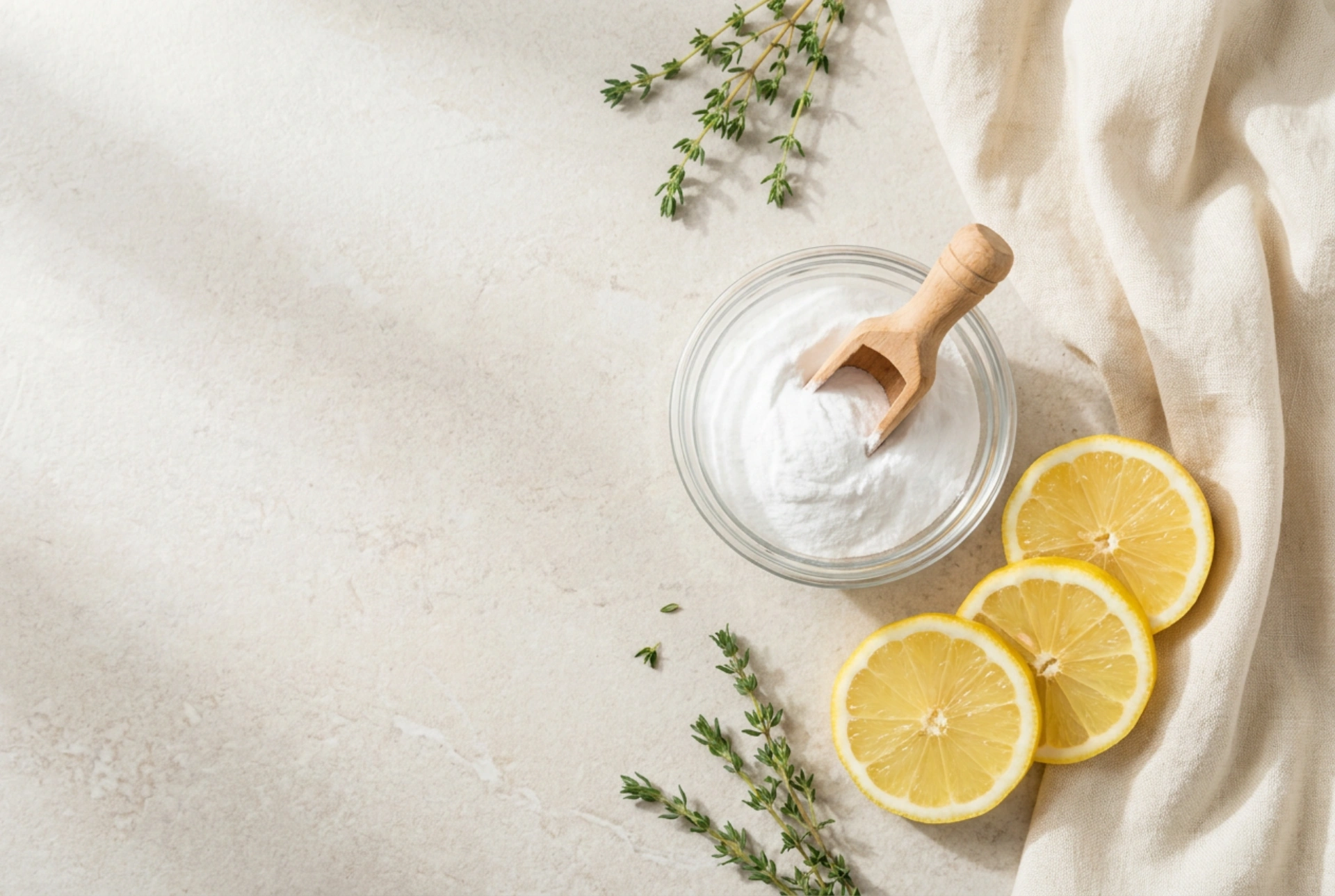
Sodium bicarbonate (baking soda) is a mild alkali with a pH of around 8.3. It is highly effective at breaking down acidic organic compounds found in burnt proteins and fats. When combined with water and heated, sodium bicarbonate undergoes thermal decomposition, releasing carbon dioxide gas. This gaseous release creates microscopic bubbles directly underneath the burnt crust, physically lifting it away from the metal surface.
Step-by-Step Thermal De-carbonisation:
- Apply the base: Sprinkle a generous layer of sodium bicarbonate over the burnt area, ensuring full coverage of the blackened surface.
- Add water and heat: Pour in enough water to cover the powder by about two centimetres. Place the pot on the cooktop and bring the mixture to a gentle simmer.
- Let thermodynamics work: Allow the solution to simmer for 10 to 15 minutes. As the temperature rises, the carbon dioxide bubbles will actively undermine the adhesion of the burnt residue.
- Cool and rinse: Remove the pot from the heat source and let it cool to a safe handling temperature before discarding the darkened liquid.
The Acetic Acid De-glazing Technique
For alkaline burnt residues or stubborn mineral deposits bound with carbon, an acidic treatment is highly effective. Household white vinegar, which contains approximately 5% acetic acid, acts as a solvent that protonates organic molecules, making them soluble in water. Combining acetic acid with heat replicates the culinary technique of "de-glazing," lifting caramelised proteins effortlessly.
Execution of the Acidic Boil:
- Create the acid solution: Pour equal parts of water and white vinegar into the pot, ensuring the burnt-on areas are completely submerged.
- Boil to loosen: Bring the liquid to a rolling boil. Let it boil for 5 to 10 minutes; you will notice large flakes of carbon starting to detach and float to the surface.
- The neutralisation reaction: If stubborn spots remain after removing the pot from the heat, add a tablespoon of sodium bicarbonate directly into the hot vinegar solution. The rapid acid-base reaction produces a vigorous fizzing (carbon dioxide gas) that provides localised mechanical agitation directly at the boundary layer between the burnt food and the metal.
Mechanical Action and Protecting the Metal Oxide Layer
Once the chemical bonds of the carbon are weakened, mild mechanical action is required to lift the remaining debris. However, care must be taken not to scratch the protective chromium oxide layer of stainless steel, which prevents rust. Avoid steel wool or highly abrasive metal scourers, as they create micro-scratches that will make future food stick and burn even more easily.
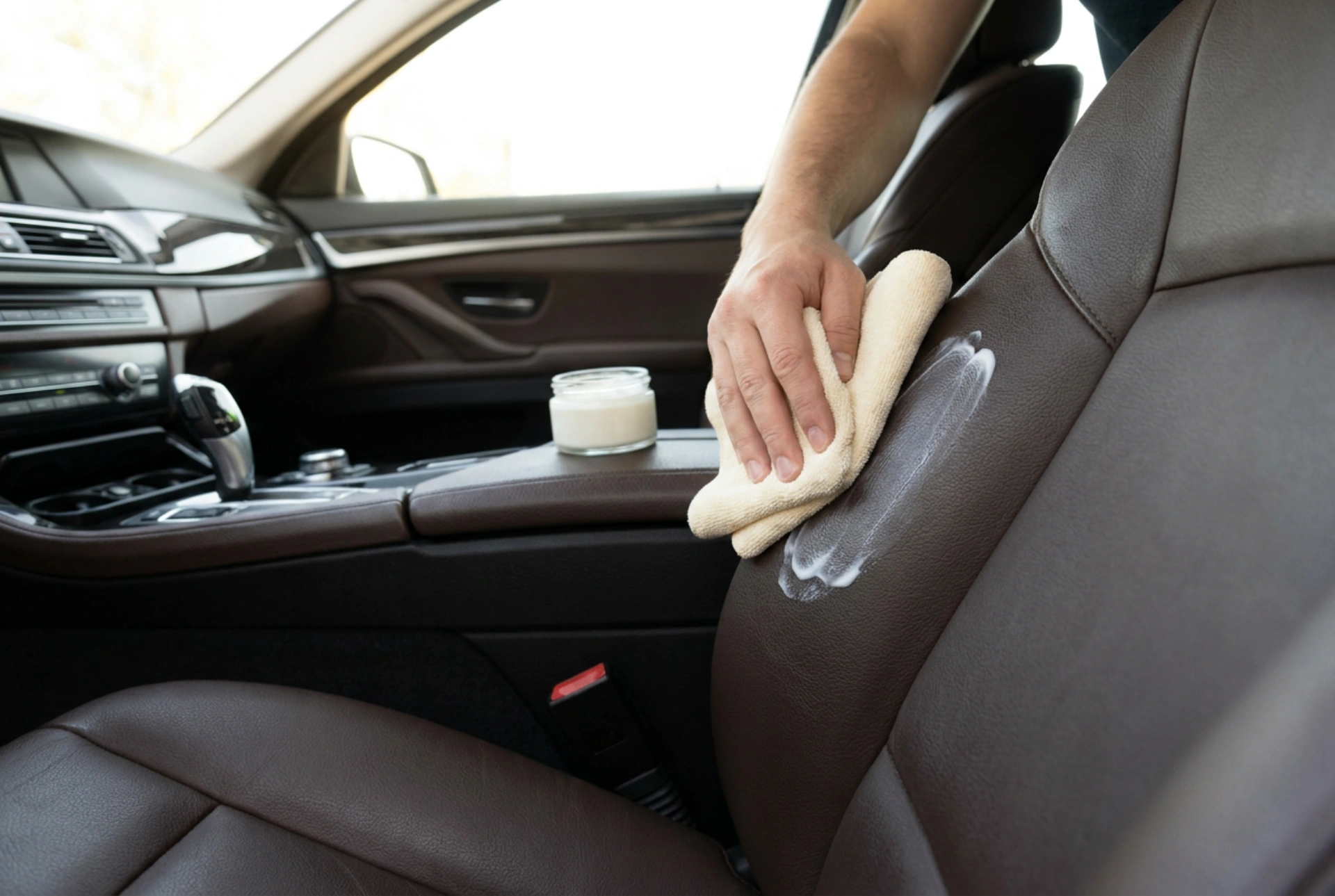
Instead, use a non-scratch cellulose sponge or a wooden spatula to gently scrape away the softened residue. If a mild abrasive is still needed to polish out faint discolourations, apply a thick paste of sodium bicarbonate and a few drops of water, then buff the surface in circular motions using a soft cloth. This method relies on the low Mohs hardness of sodium bicarbonate crystals, which are abrasive enough to scrub away carbon but too soft to scratch stainless steel or enamel. Rinse thoroughly with warm water and dry immediately to prevent water spots.