

Efficient dishwashing relies on understanding the physical and chemical interactions between water, surfactants, temperature, and specific food residues. By applying basic principles of material science and chemistry, you can break down stubborn grease and mineral deposits in half the time without relying on aggressive scrubbing.
The Chemistry of Grease Removal: Surfactants and Temperature
Animal fats and vegetable oils are hydrophobic lipids that do not dissolve in water. To remove them efficiently, you must employ surfactants and heat. Standard washing-up liquids contain surfactant molecules featuring a hydrophilic (water-loving) head and a lipophilic (fat-loving) tail. When introduced to greasy plates, these molecules surround the lipid droplets, forming spherical structures called micelles. The lipophilic tails lock onto the grease, while the hydrophilic heads remain bonded to the water, allowing the grease to be suspended and washed away.
However, chemistry alone is insufficient without thermal assistance. Fats have specific melting points; for instance, animal fats (like beef tallow or butter) solidify at room temperature. Washing dishes in cold water causes these lipids to crystallise, making them highly resistant to surfactants. To optimise micelle formation, wash dishes in water heated to at least 45°C to 50°C. This temperature liquefies the lipids, allowing the surfactant molecules to rapidly penetrate and emulsify the grease.
Dissolving Mineral Deposits and Tea Stains
Not all dish residues are lipid-based. Limescale, mineral rings, and stubborn tea or coffee stains are alkaline or metal-organic compounds that resist standard surfactants. Removing them requires adjusting the pH of your cleaning solution. Mineral buildup is primarily calcium carbonate, which dissolves quickly in the presence of mild acids like citric acid or acetic acid (white vinegar).
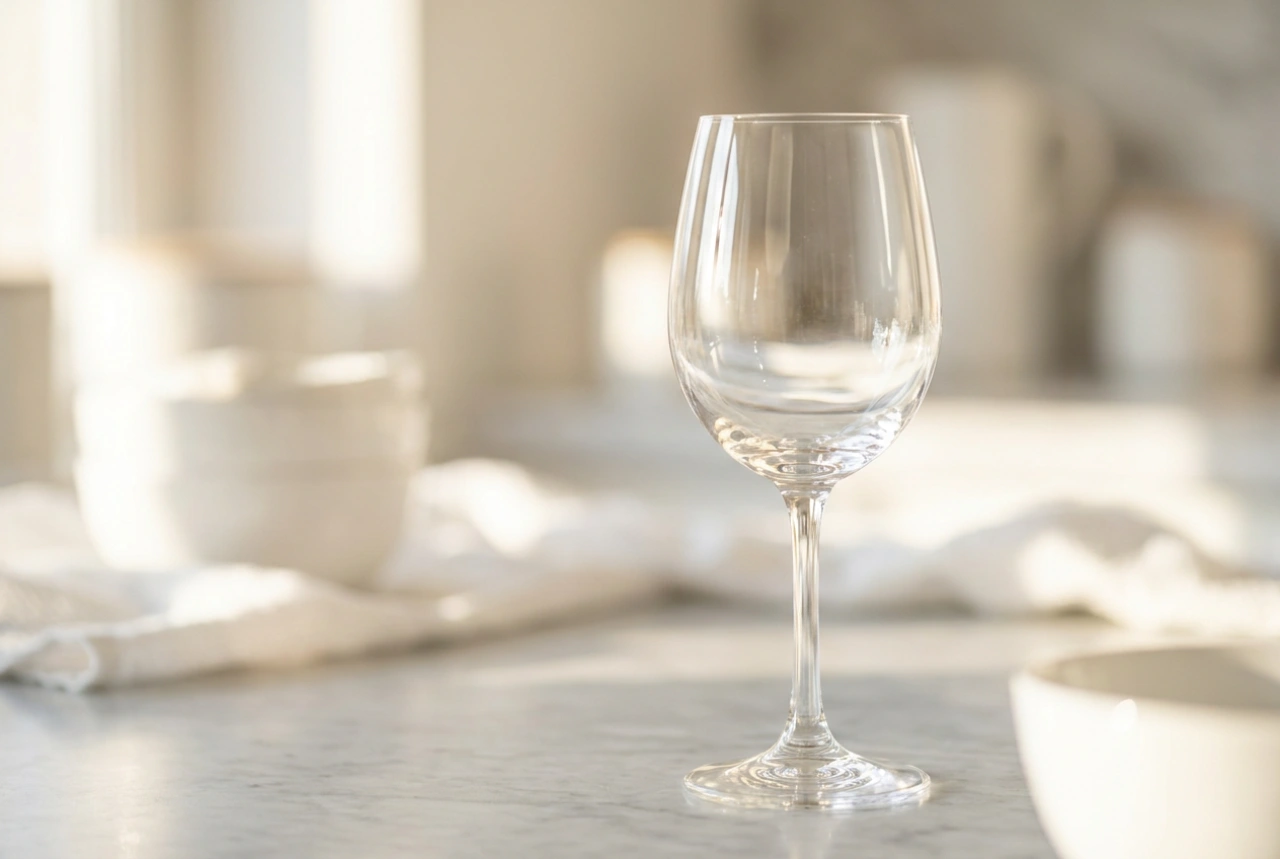
To clean cloudiness from glassware or remove tea rings from ceramic mugs, soak them in a warm solution of citric acid (about two tablespoons per litre of water). The acid reacts with the calcium carbonate to produce soluble calcium citrate and carbon dioxide, dissolving the scale without scratching the glass. For burnt protein or starch residues, which are acidic in nature, a mild alkaline agent like sodium bicarbonate (baking soda) is highly effective. It hydrolyses proteins and starches, softening the bond between the food residue and the dishware surface.
The Order of Operations and Tool Selection
The mechanical efficiency of your dishwashing routine depends heavily on the sequence of your actions and the materials you use. Follow this systematic approach to save time and water:
- Scraping and Pre-rinsing: Mechanically remove bulk solids before the dishes touch the water. This prevents the washing water from becoming saturated with suspended starches and fats, which decreases the efficacy of your surfactants.
- Soaking by Category: Soak starch-heavy items (like pasta pots) in cool water to prevent the starches from gelatinising and hardening. Conversely, soak greasy items in hot water mixed with a small amount of surfactant.
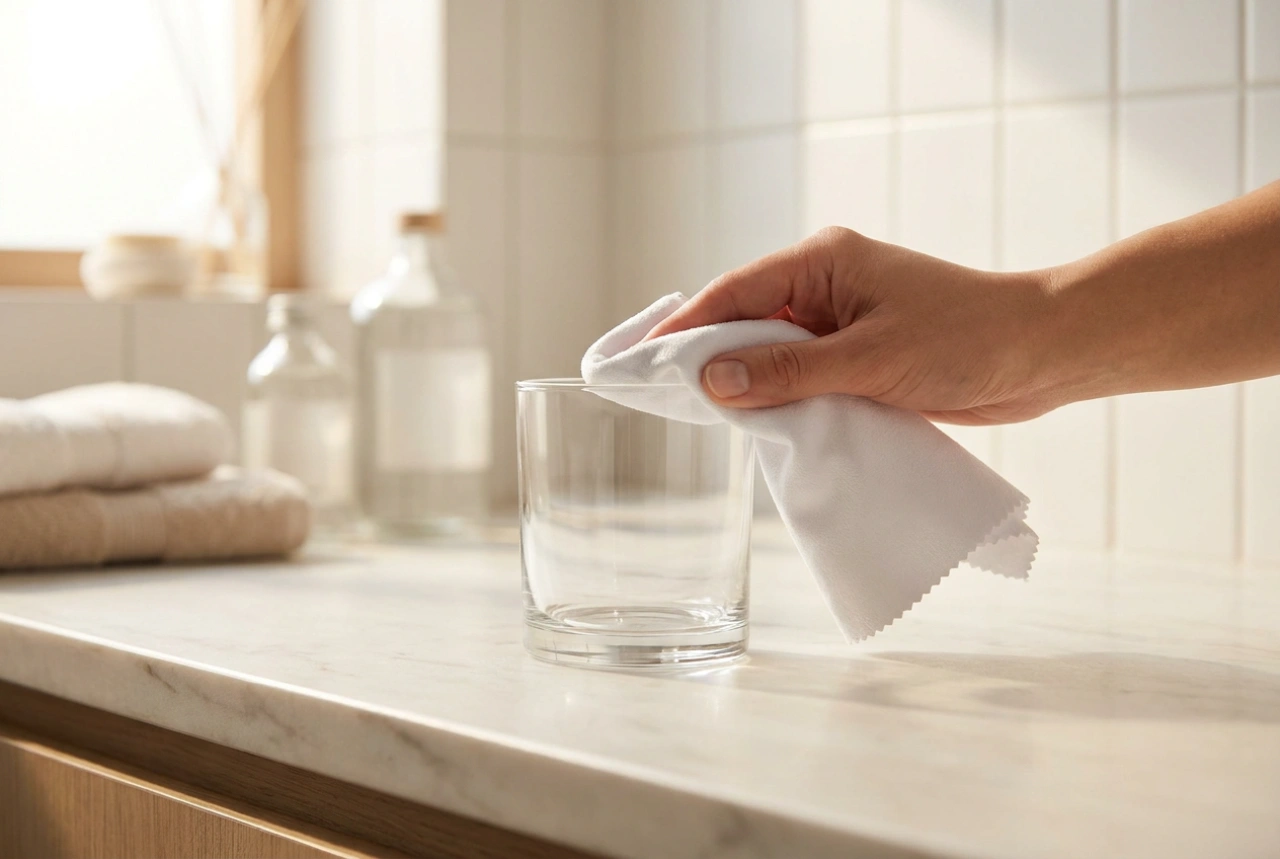
- Material-Specific Scrubbing: Use cellulose sponges or high-density microfiber cloths for delicate surfaces like glassware and glazed ceramics. Microfiber features microscopic wedge-shaped polyester and polyamide fibres that physically lift and trap lipids and microscopic debris rather than just pushing them around. For durable cookware, use non-abrasive copper meshes or natural fibre scrubbers, which exert concentrated mechanical force without gouging metal surfaces.
- The Final Rinse: Always rinse dishes in clean, running water that is hotter than the wash water. The elevated temperature lowers the viscosity of the water, promoting rapid sheeting and evaporation, which minimises the formation of water spots (limescale deposits left behind during drying).
Optimising Your Dishwashing Workflow
A structured workflow ensures that cross-contamination is eliminated. Always wash from the cleanest, least greasy items to the dirtiest. Start with glassware, move to cutlery, then plates, and finally, pots and pans. This sequence ensures that your washing water remains active with free surfactants for the items that require the highest level of clarity. When you wash a greasy frying pan first, the lipids immediately saturate the surfactant molecules, rendering the wash water useless for delicate glassware and leaving a greasy film behind.