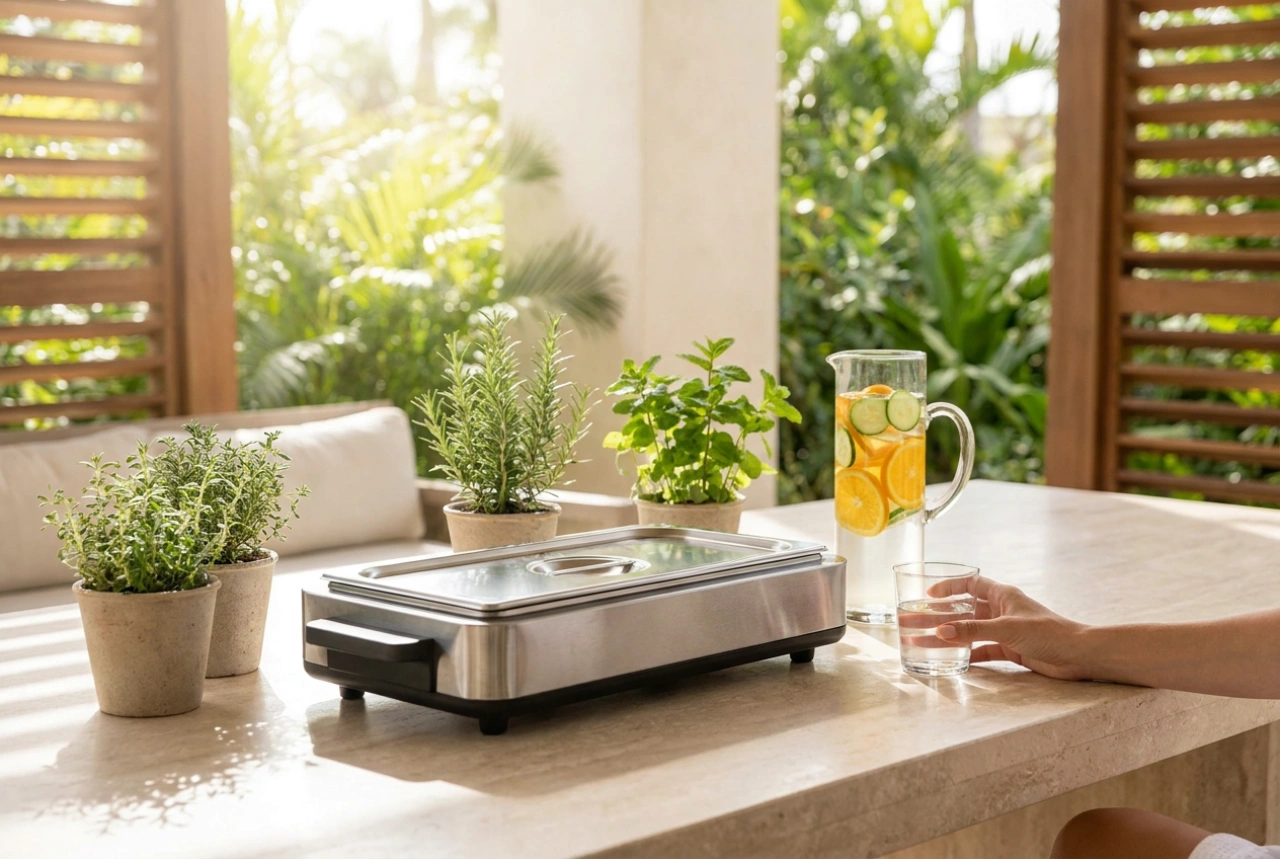


Daily maintenance of a baby bottle warmer is essential to prevent mineral scale build-up and microbial growth, ensuring both efficient heat transfer and hygienic operation. By establishing a simple daily routine using mild surfactants and understanding the chemical processes of mineral accumulation, you can preserve the appliance's heating element and guarantee precise temperature control.
The Science of Scale: Why Daily Emptying is Critical
Most baby bottle warmers rely on a small heating element submerged in or positioned beneath a water reservoir. When tap water is heated, dissolved calcium and magnesium hydrogencarbonates undergo thermal decomposition. This chemical reaction precipitates insoluble calcium carbonate, commonly known as limescale, onto the heating surface. Over time, this mineral layer acts as an insulator, reducing the thermal conductivity of the heating plate. Consequently, the appliance must run longer to reach the desired temperature, which can lead to uneven heating of the formula or breast milk and premature wear on the internal electrical components.
Furthermore, standing water in a warm environment creates an ideal habitat for biofilm formation. Biofilms are structured communities of microorganisms embedded in a self-produced matrix of extracellular polymeric substances. To prevent these bacterial colonies from adhering to the reservoir walls, the residual water must be emptied after every use, and the chamber must be dried completely.
The Daily Cleaning Protocol: Step-by-Step
To maintain hygiene without damaging the delicate materials of the appliance, follow this systematic cleaning procedure at the end of each day:
- Power Down and Cool: Always unplug the appliance from the mains power supply and allow the heating plate to cool completely to room temperature before attempting to clean. This prevents thermal shock to the heating element and eliminates the risk of minor burns.
- Evacuate Residual Water: Pour out any remaining water from the reservoir. Avoid tipping the water over the control dial or power cord inlet to prevent moisture ingress into the internal circuitry.
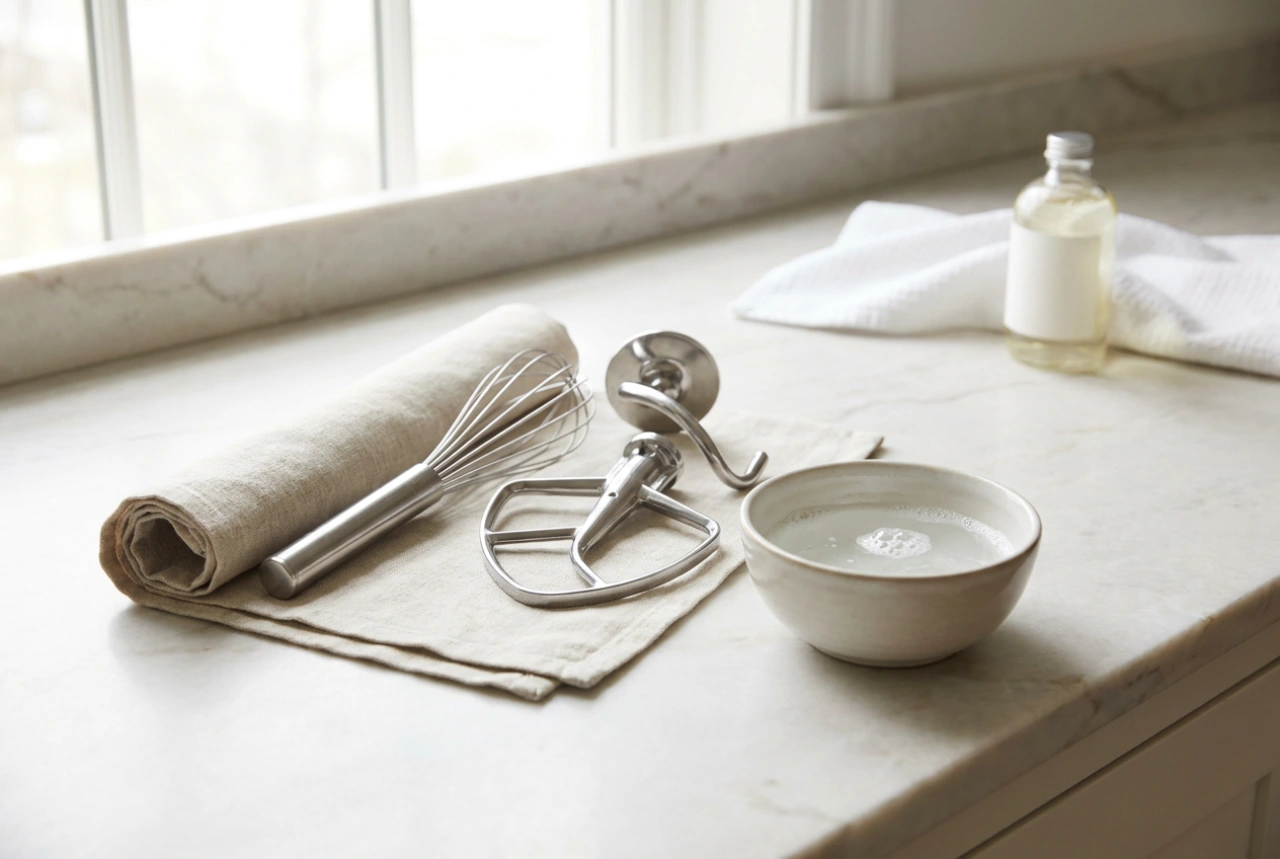
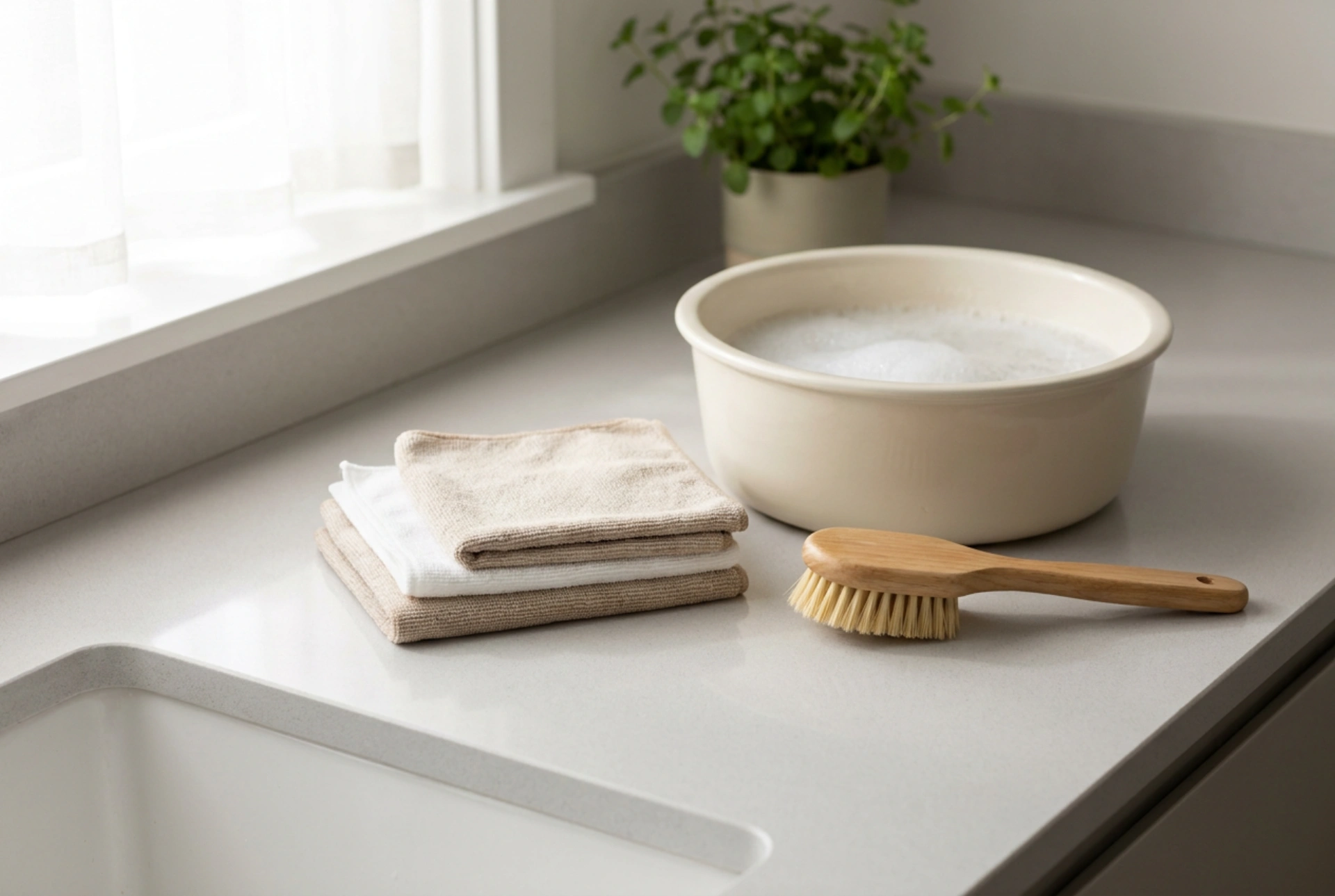
- Wipe with Mild Surfactants: Prepare a solution of warm water and a single drop of pH-neutral, unscented dishwashing liquid. Surfactants are highly effective because they contain hydrophilic heads and hydrophobic tails, allowing them to bind to both water and oily residues (such as milk fat droplets that may have splashed during use). Dampen a clean, lint-free microfiber cloth with this solution and gently wipe the interior reservoir and the exterior casing.
- Address the Crevices: If milk residue has accumulated in tight corners, use a soft-bristled brush to gently agitate the area. Never use steel wool, abrasive scouring pads, or harsh chemical scouring powders, as these will scratch the plastic and stainless-steel surfaces, creating microscopic grooves where pathogens can easily colonise.
- Rinse and Dry: Wipe down the reservoir with a second microfiber cloth dampened only with clean, fresh water to remove any surfactant residue. Finally, dry all surfaces thoroughly with a clean tea towel or allow the unit to air-dry upside down on a clean drying rack.
Periodic Acidic Descaling: Restoring Thermal Efficiency
Even with meticulous daily cleaning, microscopic mineral deposits will eventually accumulate on the heating plate. A weekly or fortnightly descaling routine is necessary to dissolve these mineral bonds using mild, food-safe acids.
Do not use aggressive industrial descalers. Instead, utilise the chemical principles of acid-base neutralisation with household ingredients:
The Acetic Acid Method (White Vinegar)
Mix equal parts of distilled water and white vinegar (typically 5% acetic acid concentration) and pour the solution into the reservoir. The acetic acid reacts with the insoluble calcium carbonate, converting it into highly soluble calcium acetate, water, and carbon dioxide. Allow the mixture to sit in the cold reservoir for 30 to 60 minutes. After the dwell time, pour out the liquid and rinse the chamber thoroughly with fresh water to remove any lingering acidic aroma.
The Citric Acid Method
Alternatively, dissolve one tablespoon of anhydrous citric acid powder in 100 ml of warm water. Citric acid is an excellent chelating agent, binding to metal ions and making them easily washable. Pour this mixture into the warmer, let it stand for 20 minutes, and then rinse thoroughly. Citric acid is virtually odourless, making it an excellent alternative for parents sensitive to the smell of vinegar.
Preventative Measures: The Role of Water Quality
The simplest way to reduce daily maintenance and eliminate the need for frequent descaling is to control the quality of the water used in the appliance. Switching from municipal tap water—which often contains high levels of dissolved calcium carbonate—to distilled or demineralised water will dramatically slow down scale formation. Distilled water has undergone vaporisation and condensation, stripping it of all mineral ions. By using distilled water, the heating element remains clean, heat transfer remains optimal, and daily clean-up is reduced to a simple wipe-down.