

Maintaining the hygiene of cool packs is essential to prevent mould growth and bacterial contamination in the confined, humid environment of a portable cool box. Proper cleaning and storage preserve the structural integrity of the plastic casing and ensure safe food preservation during travel.
The Science of Cool Packs: Why Material Care Matters
Most reusable cool packs consist of a High-Density Polyethylene (HDPE) shell filled with a phase-change gel, typically water mixed with a polymer like sodium polyacrylate. HDPE is chosen for its durability, but physical impacts and extreme temperature cycling can weaken the polymer chains. Micro-scratches on the plastic surface provide a breeding ground for bacteria and fungal spores, which thrive in the warm, dark, and damp conditions of an unwashed cool box after use. Understanding this material structure explains why abrasive cleaning tools and aggressive solvents must be avoided, as they compromise the shell and invite contamination.
The Step-by-Step Cleaning Protocol
To clean cool packs effectively without damaging their outer casing, follow a systematic method focusing on chemical neutrality and physical gentleness:
- Temperature selection: Wash cool packs using lukewarm water (30°C to 40°C). Hot water can cause the internal gel to expand rapidly, putting excessive pressure on the welded seams, which may lead to micro-fissures or leaks.
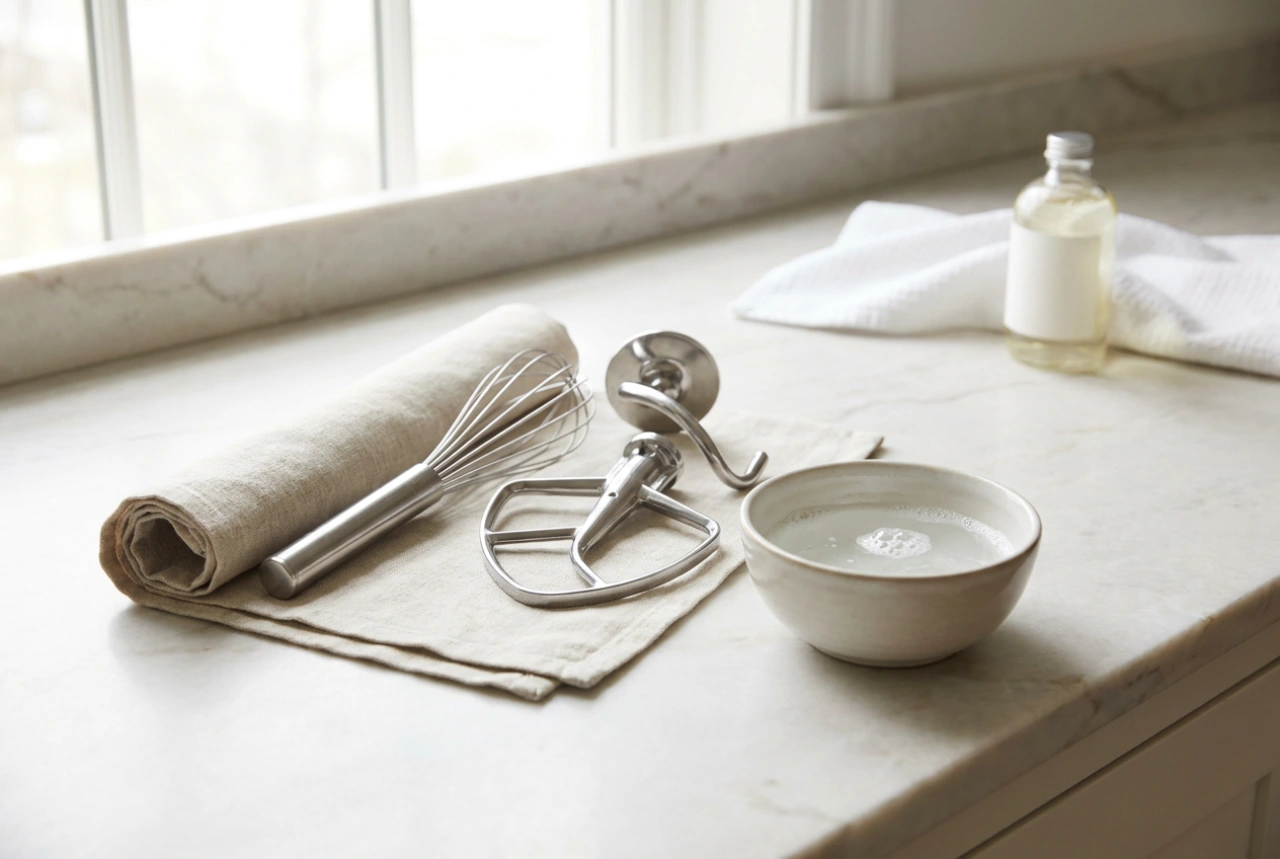
- Surfactant action: Use a standard, fragrance-free dishwashing liquid to emulsify oils and food residues. Apply the soapy water with a soft microfibre cloth or a non-scratch sponge.
- Avoid abrasives: Never use steel wool or scouring powders. These physical agents create microscopic grooves in the HDPE, which permanently trap organic matter.
- Rinsing: Rinse the packs thoroughly under running water to remove all surfactant residue, preventing a sticky film that attracts dirt.
Eradicating Odours and Organic Stains
Because cool packs often contact food spills, they can absorb stubborn organic odours. To eliminate deep-seated odours and sanitise the surface, apply a mild alkali or oxidising solution:
Sodium Bicarbonate Wash
Dissolve two tablespoons of sodium bicarbonate (baking soda) in one litre of warm water. Sodium bicarbonate acts as a mild buffer that neutralises acidic odour molecules. Submerge the packs for 15 minutes, then wipe them down and rinse.
Oxygen-Based Disinfection
If mould has developed, avoid chlorine-based bleach, which degrades HDPE seams over time. Instead, use a dilute solution of oxygen bleach (sodium percarbonate) or a 3% hydrogen peroxide spray. Oxygen bleach releases active oxygen that oxidises and destroys the cellular walls of fungal spores without degrading the plastic polymer.
The Critical Importance of Drying
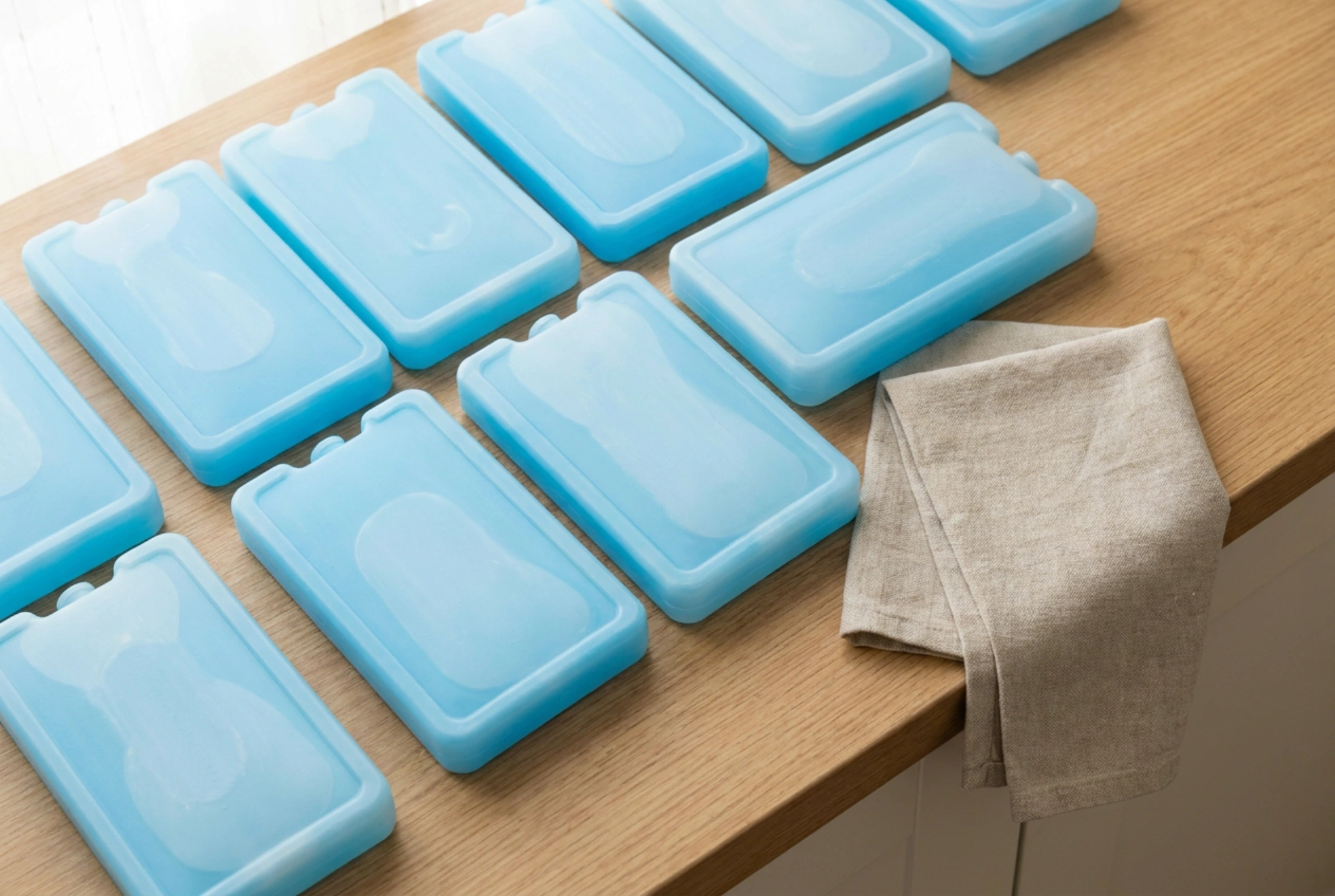
The most important step in the maintenance cycle is complete dehydration. Storing cool packs even slightly damp leads to mould growth when they are kept in closed cupboards. Wipe the packs with a clean, lint-free towel immediately after washing, then place them vertically on a drying rack in a well-ventilated area for at least two hours to let moisture evaporate from all joints and seams.
Optimal Storage Techniques
Once completely dry, choose one of these two options for storage:
- Freezer storage: Leaving dry cool packs in the freezer is highly efficient. A full freezer operates more efficiently because the frozen mass retains thermal energy, reducing temperature fluctuations. Store them flat so they freeze in a uniform shape, maximising contact area during future use.
- Dry cupboard storage: Store dry packs flat in a cool, dark, and dry cupboard. Avoid stacking heavy objects on top of them to prevent constant mechanical stress on the seams. Keep them away from direct sunlight, as UV radiation slowly degrades the polyethylene shell, making it brittle over time.