

Restoring a heavily burnt baking tray to its original shine does not require abrasive wire scourers that scratch and ruin metal surfaces. By understanding the chemical nature of polymerised grease, you can easily dissolve stubborn crusts using basic household science and gentle physical action.
The Science of Burnt Grease: Why Scourers Do More Harm Than Good
When fats and oils are subjected to high oven temperatures over and over, they undergo a chemical process called polymerisation. The liquid lipids oxidise and bond into a tough, plastic-like solid matrix that adheres tightly to the metal substrate. Scraping this layer with a wire scourer might remove the residue, but it also creates microscopic scratches on the baking tray. For stainless steel, this strips away the passive chromium oxide layer that prevents rusting. For aluminium or non-stick surfaces, it destroys the coating entirely, making future food stick even worse. To clean effectively, we must break the chemical bonds of the polymerised fat rather than mechanically ripping them off.
The Power of Hydrolysis: Using Alkaline Agents
The most effective way to break down polymerised fat is through alkaline hydrolysis. Sodium bicarbonate (baking soda) is a mild alkali with a pH of around 9. When mixed with water to form a thick paste, it slowly breaks the ester bonds in the fats, converting them into water-soluble salts (essentially a crude form of soap).
- Preparation: Mix three parts sodium bicarbonate with one part warm water to form a spreadable paste with a wet-sand consistency.
- Application: Coat the entire burnt surface of the dry baking tray, focusing heavily on the dark, polymerised corners.
- Dwell Time: Leave the paste to sit for at least four to twelve hours. Time is critical here; the chemical reaction requires hours to penetrate the dense polymer chains.
Boosting the Reaction: The Role of Effervescence
To accelerate the breakdown of tough carbon deposits, you can introduce a mild acid like white vinegar (acetic acid) or a safe oxidising agent like hydrogen peroxide. When acetic acid meets sodium bicarbonate, an acid-base reaction occurs, rapidly producing carbon dioxide gas (CO2). This bubbling action provides a gentle, microscopic physical scrubbing effect right at the boundary layer between the burnt food and the metal, lifting the softened grime off the surface without any abrasive scratching.
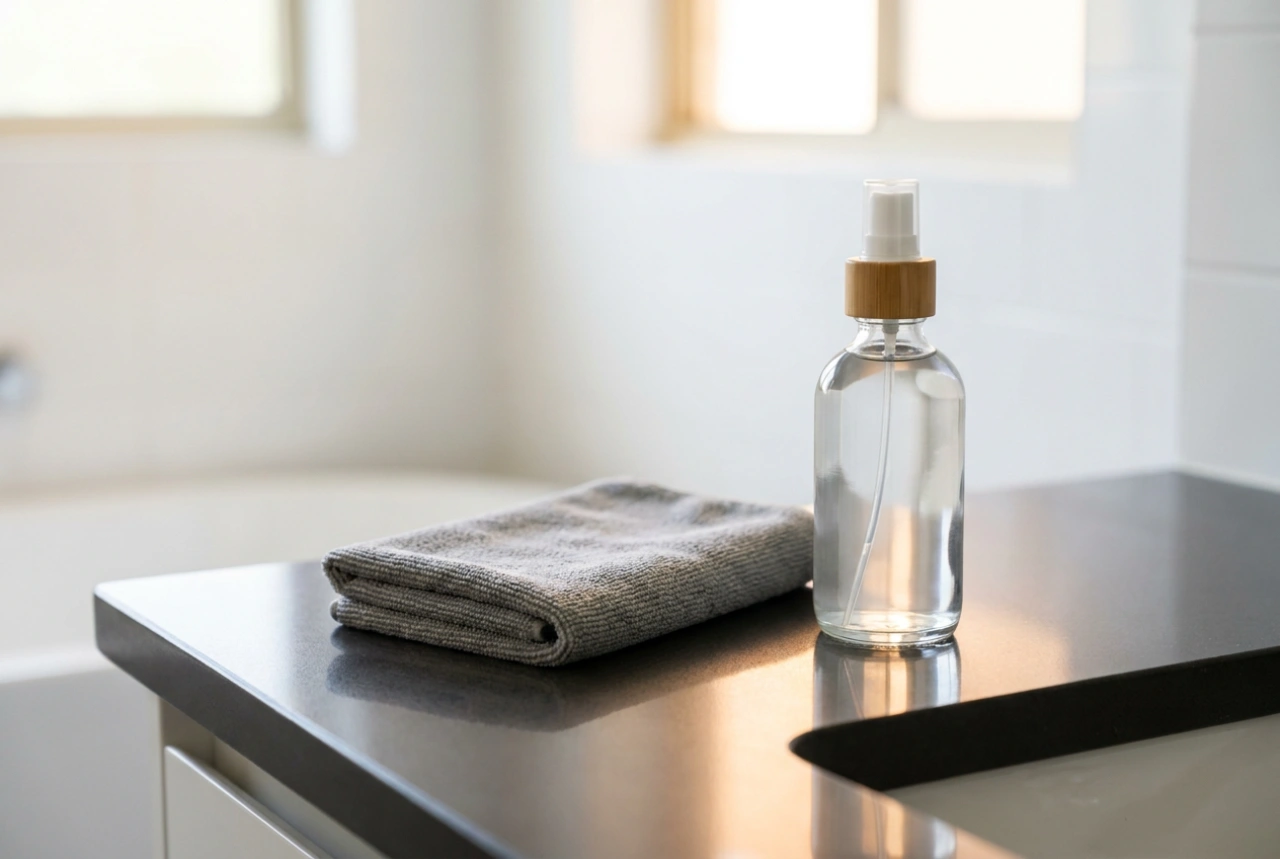
Simply spray white vinegar over the pre-applied baking soda paste after it has sat for a few hours. Let the mixture fizz for fifteen minutes before gently wiping the slurry away with a non-abrasive sponge or a microfibre cloth.
The Thermal Method: Softening Polymers with Boiling Water
Heat expands metals and softens organic compounds. If you are dealing with a deeply encrusted baking sheet, combining boiling water with alkaline powder is highly efficient. Pour boiling water directly onto the tray (or submerge it in a shallow bath of boiling water) and add half a cup of sodium carbonate (washing soda) or sodium bicarbonate. The high temperature increases the kinetic energy of the molecules, speeding up the hydrolysis reaction and softening the baked-on carbon so it can be wiped away with a wooden spatula or plastic scraper.
Step-by-Step Restoration Protocol
For the best results, follow this systematic, non-destructive cleaning sequence:
- Step 1: Scraping: Use a flat wooden spatula or a rigid plastic dough scraper to lift loose, dry debris. Never use metal utensils.
- Step 2: Paste Application: Apply a thick layer of sodium bicarbonate paste over all remaining dark spots.
- Step 3: Wait: Allow the chemical agents to work for 8 hours. Keep the paste damp by occasionally misting it with water.
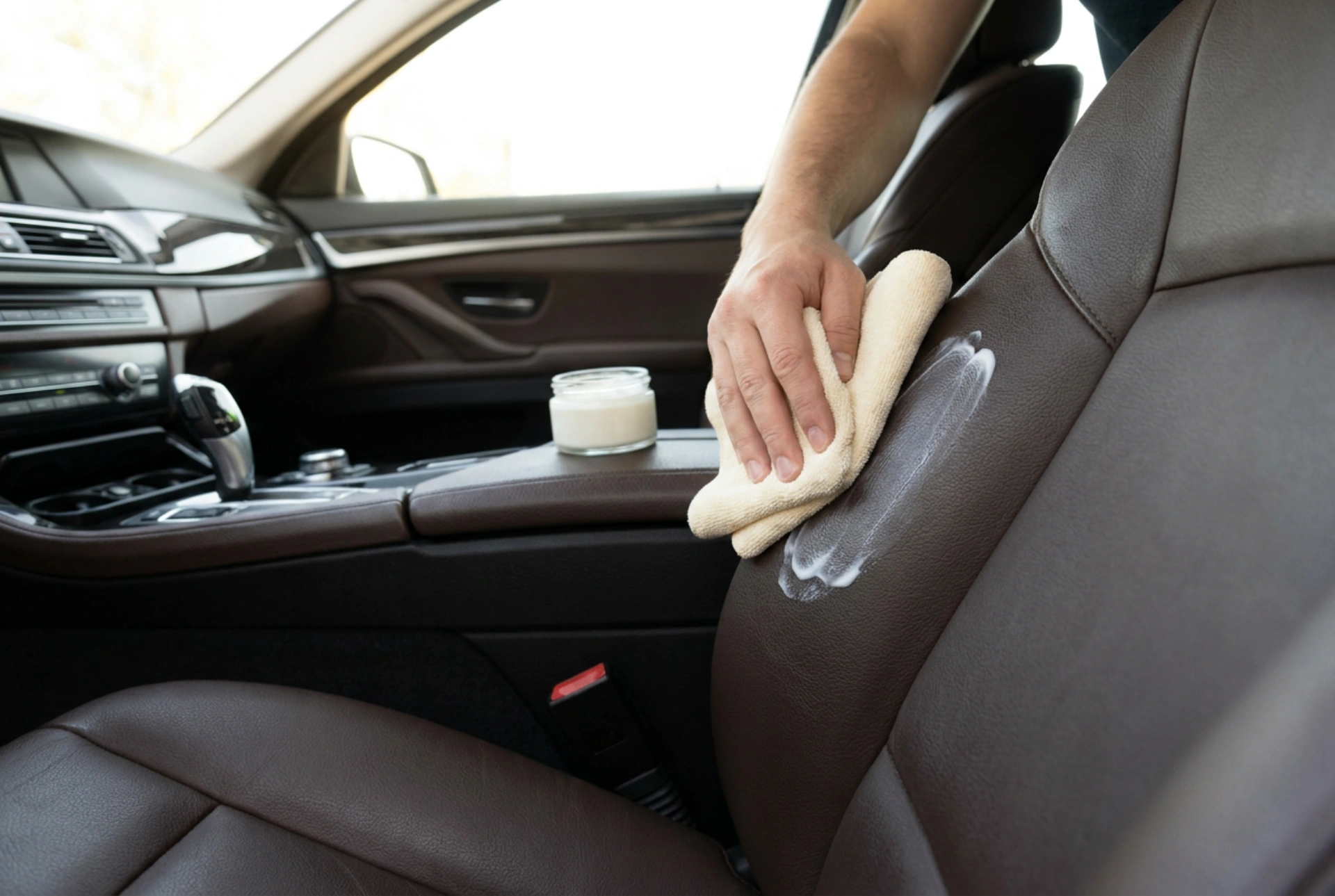
- Step 4: Wipe and Rinse: Use a damp microfibre cloth, applying firm, circular pressure. The softened grease will lift off effortlessly. Rinse thoroughly with warm water and dry immediately with a clean towel to prevent water spots.