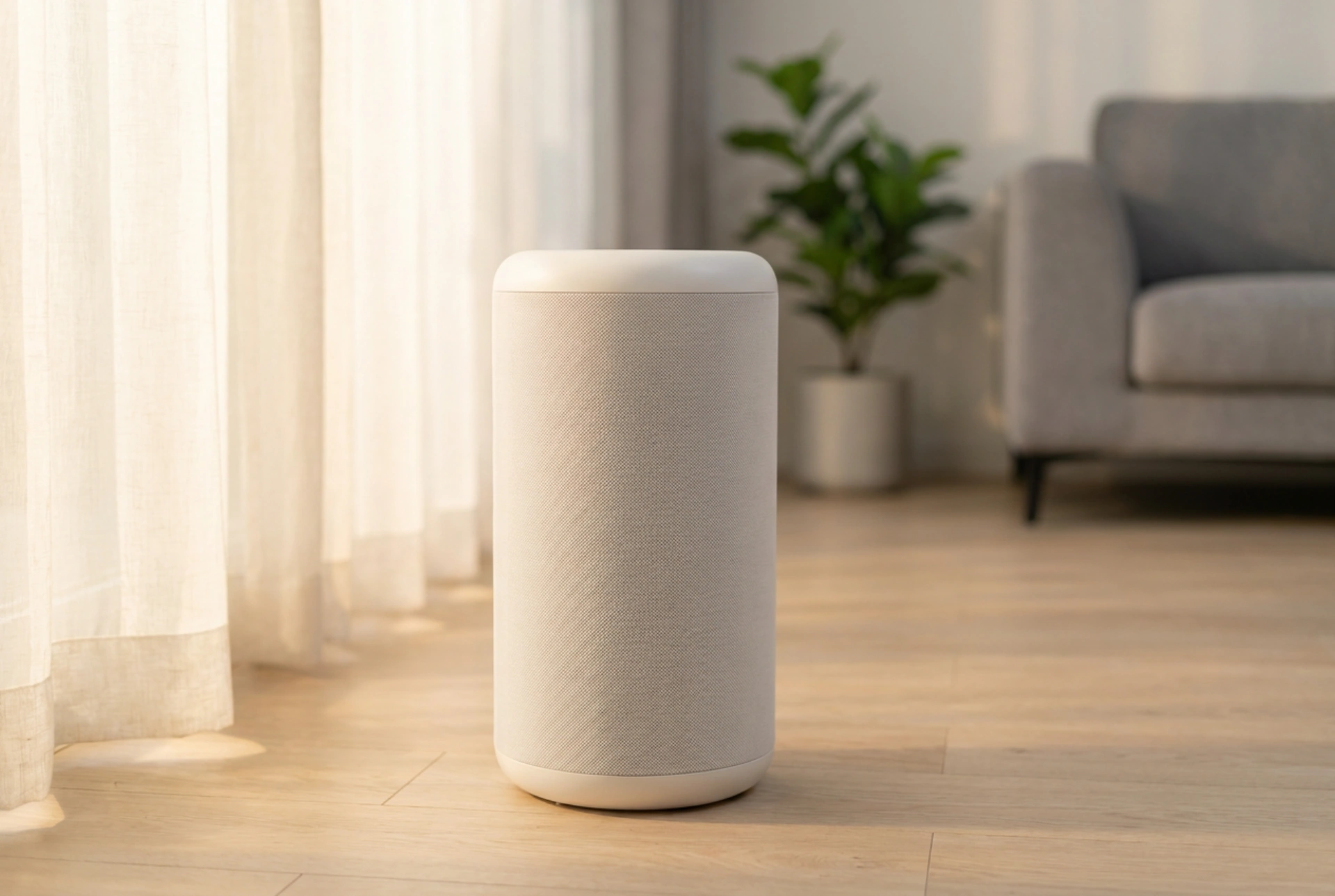


Combining air purification and humidification in a single device offers a streamlined approach to indoor climate control, but managing these two distinct physical processes simultaneously requires a solid understanding of physics and material science. To prevent issues like filter degradation, mineral dust emission, and bacterial growth, you must carefully manage water quality, device placement, and sensor calibration.
The Physics of Airflow and the Threat of High Humidity to Filters
Air purifiers rely on dense physical barriers, typically HEPA (High-Efficiency Particulate Air) filters made of sub-micron glass fibres or synthetic polymers, to trap microscopic particles. Humidifiers, on the other hand, deliberately introduce water vapour into the surrounding air. When these two functions coexist within close proximity, managing local relative humidity becomes critical.
If the air passing through the HEPA filter is too saturated with moisture (above 60% relative humidity), water molecules can condense on the filter fibres. This moisture weakens the electrostatic charge that many modern synthetic HEPA filters use to attract particles. Furthermore, a damp filter environment provides the perfect substrate for mould spores and bacteria to colonise the filter media, turning a purification device into a source of biological contamination. To avoid this, always position the unit in an area with active air circulation, ensuring the mist or vapour has space to disperse fully into the room before being pulled back into the intake grilles.
Water Chemistry: Preventing White Dust and Sensor Interference
The method of humidification dictates the chemical output of your device. Ultrasonic humidifiers break water down into micro-droplets using high-frequency vibrations. If you use tap water, which contains dissolved minerals like calcium carbonate and magnesium, the ultrasonic action aerosolises these minerals alongside the water. As the droplets evaporate in the air, they leave behind a fine mineral residue, often referred to as white dust.
This mineral dust is technically particulate matter, which the air purifier's sensors will detect as pollution. Consequently, the purifier will ramp up its fan speed to clear the very dust the humidifier is creating, leading to premature filter clogging and unnecessary energy consumption. To prevent this chemical cycle, you should ideally use evaporative humidifiers, which naturally evaporate water from a wick filter, leaving minerals behind in the reservoir. If using an ultrasonic model, utilising distilled or demineralised water is essential to eliminate mineral emissions entirely.
Preventing Biofilms and Maintaining Tank Hygiene
Standing water in a humidifier reservoir is highly susceptible to the formation of biofilms—complex communities of bacteria and fungi encased in a self-produced slimy matrix. If these pathogens are allowed to multiply, the humidifier will aerosolise them, sending harmful organic compounds directly into your breathing zone.
To maintain chemical and biological safety, a strict maintenance schedule is required. Every three to four days, empty the reservoir and wash it with a mild acidic solution, such as a 10% citric acid or white vinegar solution, to dissolve calcium scale and break down early-stage biofilms. Rinse thoroughly with clean water. Avoid using chlorine-based detergents or strong synthetic fragrances, as residues can cling to the plastic walls and be vaporised into the air during operation, causing respiratory irritation.
Managing the Seasonal Cycle and Filter Storage
During transitional seasons when humidification is no longer required, you must modify your operational routine. Leaving a damp filter inside an inactive device creates an airtight chamber highly conducive to anaerobic bacterial growth. Before switching the device to a purify-only mode, run the fan on its highest setting without water for at least four hours to completely desiccate the evaporative wick and the main filtration chamber. If storing the humidification components, ensure they are completely dry and treated with a light vinegar wipe to inhibit fungal spores during the off-season.
Optimising Placement and Sensor Management
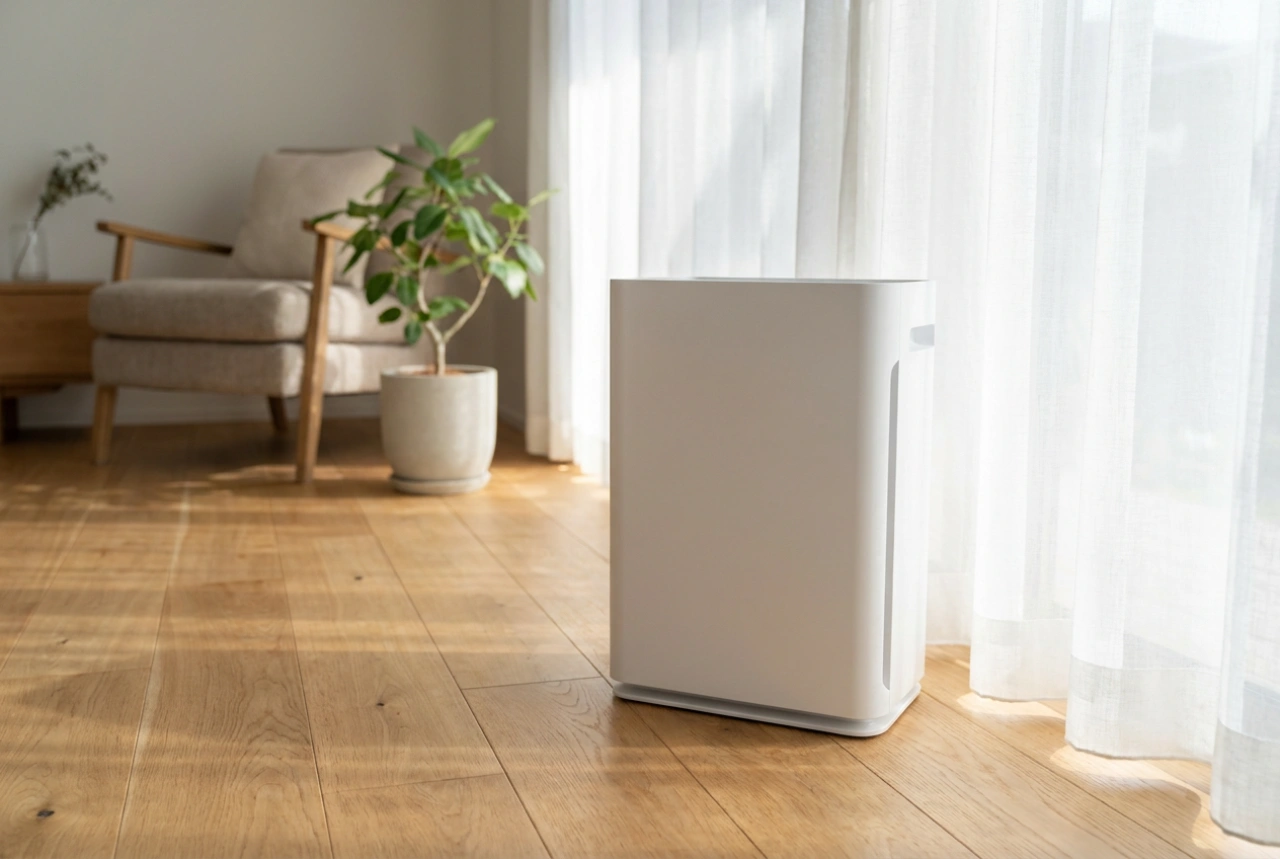
For optimal thermodynamic performance, place the combined unit at least one metre away from walls, curtains, and wooden furniture. Water vapour needs immediate airflow to mix with drier ambient air; otherwise, localized microclimates of high humidity will form, damaging nearby surfaces and tricking the device’s internal sensors.
Most modern units feature infrared or laser-based particulate sensors to measure air quality. These sensors work by measuring the scattering of light caused by airborne particles. High local humidity or direct mist can distort the light beam, causing the sensor to falsely report high pollution levels. Positioning the device in an open area with natural convection currents ensures accurate sensor readings and even moisture distribution throughout the room.