

Mastering the moka pot is a matter of managing thermal physics and extraction kinetics to prevent bitter, over-extracted compounds from ruining your cup.
The Thermal Trap: Why Moka Pot Coffee Burns
The classic moka pot operates on a simple thermodynamic principle: heating water in the lower chamber creates steam pressure, which forces the boiling water up through the coffee grounds and into the upper collection pot. However, this simplicity hides a major flaw. If you start with cold water in the base, the metal of the pot heats up significantly before the water even begins to boil. This hot metal acts as a heating element against the dry coffee basket, conducting intense thermal energy directly to the ground coffee. This heat causes the delicate oils in the coffee beans to toast and scorch before the water reaches them, resulting in a distinct, unpleasant burnt bitterness.
To bypass this thermal trap, you must decouple the warming of the metal from the brewing process. Start by filling the lower reservoir with freshly boiled water rather than cold water. This reduces the time the entire apparatus spends on the stovetop, ensuring the coffee grounds are exposed to heat for seconds rather than minutes before the water begins flowing through them.
The Physics of Flow: Managing Grind and Compression
Unlike an espresso machine, which uses a mechanical pump to push water through tightly compacted coffee under high pressure, a moka pot relies on low steam pressure (around 1.5 to 2 bars). Because of this physical limitation, you must never tamp or compress the coffee grounds in the filter basket.
When you tamp coffee in a moka pot, you increase the density of the coffee bed, creating high resistance. This forces the water to stay in contact with the coffee grounds for too long under high heat, over-extracting bitter compounds like caffeine and chlorogenic acid lactones. Instead, fill the basket gently to the brim, tap the side of the funnel with your finger to distribute the grounds evenly, and level off the top using a flat edge. Any excess coffee on the rim must be wiped away to ensure a tight hermetic seal with the rubber gasket, preventing steam from escaping during the brew cycle.
Sieving the Sediment: Grind Selection and Fines
A muddy cup with heavy sediment at the bottom is usually the result of using a grind size that is too fine. Because the metal filter plate in a moka pot has relatively large holes, espresso-grade coffee powder will easily pass through the mesh and into your final drink.
To eliminate sediment, adjust your grinder to a medium-fine setting, resembling the texture of table salt. If you still encounter micro-sediment, you can place a small, pre-wetted circular paper aeropress filter flat against the top metal filter screen of the moka pot before screwing the chambers together. This paper barrier catches the microscopic particles (fines) and absorbs bitter diterpene compounds, yielding a remarkably clean, crisp beverage.
The Cooling Intervention: Stopping the Extraction Cycle
One of the most critical errors in moka pot brewing occurs at the very end of the cycle. When the water level in the lower chamber drops below the bottom of the funnel tube, steam starts blowing directly through the wet coffee grounds. This phase is characterized by a violent, sputtering, gurgling sound.
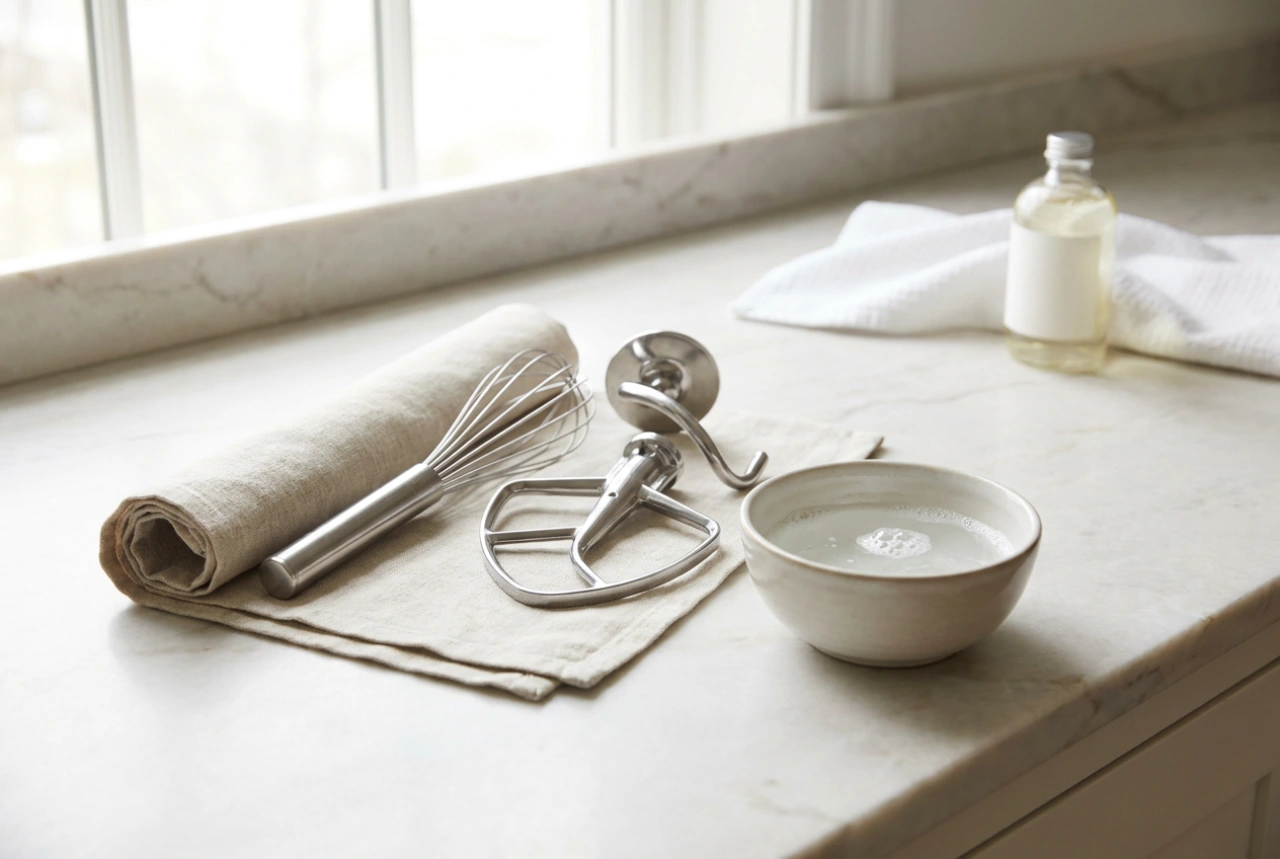
This steam is significantly hotter than water and extracts the heaviest, most bitter astringent compounds from the spent coffee grounds. To prevent this, watch the brew closely. As soon as the flowing stream of coffee turns pale and honey-colored, and just before the sputtering begins, remove the pot from the heat source immediately. Run the base of the pot under cold tap water or place it onto a cold, wet kitchen towel. This rapid drop in temperature instantly condenses the steam in the lower chamber, stopping the brewing process and preventing the burnt steam from ruining your freshly extracted coffee.