

Stubborn grease deposits and lingering burnt smells in an oven can be effectively neutralized without harsh synthetic chemicals by utilizing the natural degreasing power of citric acid and steam thermal action.
The Chemistry of Lemon and Steam Cleaning
The effectiveness of using lemon to clean an oven lies in the chemical composition of the fruit. Lemons contain a high concentration of citric acid, a natural organic acid that acts as a mild chelating agent. When citric acid comes into contact with baked-on grease, which consists of polymerized lipids, it breaks down the ester bonds holding the fat molecules together. This chemical reaction softens the hardened residue, making it soluble in water.
By combining lemon juice with water and applying heat, you create a pressurized, acidic steam environment inside the oven chamber. Water vapor penetrates the porous structure of the grease, while the airborne citric acid molecules weaken the bond between the grime and the enamel walls. Additionally, d-limonene, a natural solvent found in lemon peels, works to dissolve non-polar compounds such as stubborn oils, while simultaneously neutralizing volatile organic compounds that cause unpleasant burnt odors.
The Step-by-Step Steam Dissolution Technique
To execute this cleaning method efficiently, follow a precise sequence of temperature control and exposure time to maximize the vapor effect.
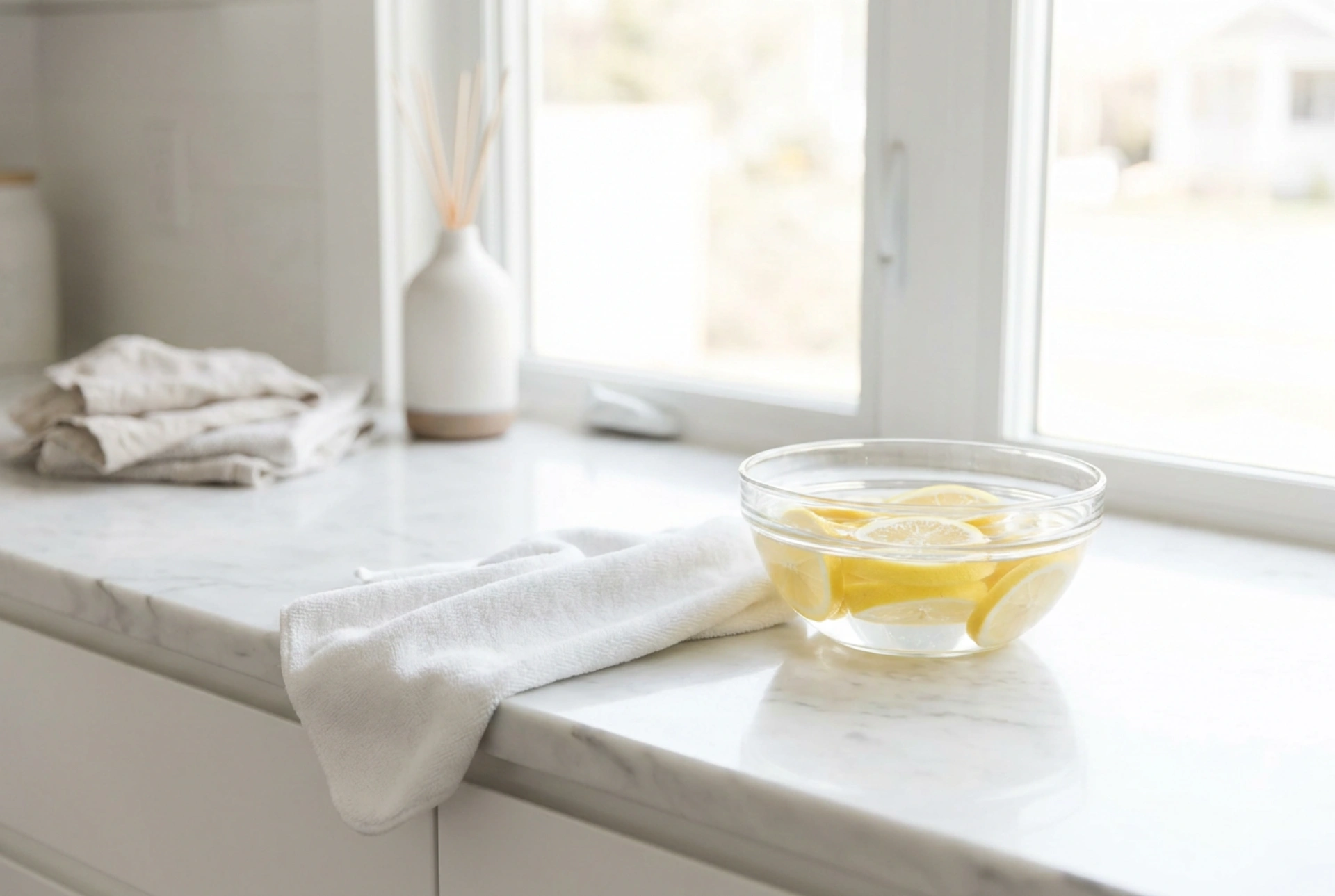
- Prepare the Acidic Solution: Slice two fresh lemons in half and squeeze their juice into a oven-safe glass or ceramic baking dish filled with approximately 500 milliliters of water. Place the squeezed lemon halves directly into the water to utilize the essential oils in the rind.
- Thermal Activation: Preheat the oven to 120 degrees Celsius. Place the dish on the middle rack. Avoid higher temperatures, as excessively rapid evaporation will dry out the moisture before it can penetrate the grease layers.
- The Vapor Phase: Keep the oven closed and let the water boil and steam for 30 to 40 minutes. The glass door should become thoroughly condensation-coated. Turn off the heat and allow the oven to cool down for 20 minutes with the door closed to let the moisture continue its work.
- Mechanical Removal: Open the door when the interior is warm but safe to touch. Use a damp microfiber cloth to wipe down the softened grease from the enamel surfaces. Start from the top ceiling, move to the side walls, and finish with the oven floor.
How to Neutralize Deeply Embedded Odors
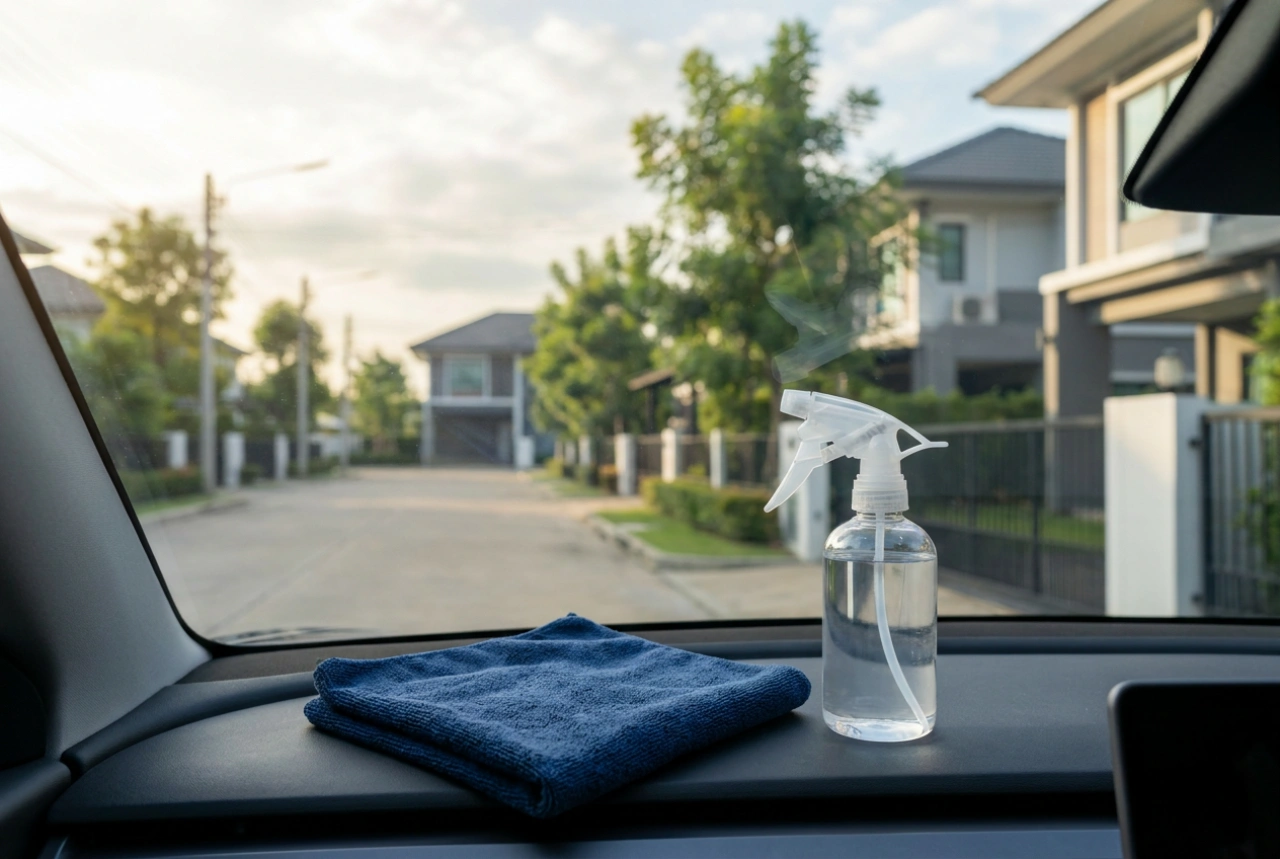
If your oven suffers from persistent smells of burnt fat or fish, a simple wipe-down may not suffice. The source of these odors is often trapped in the hard-to-reach crevices of the heating elements or the fan cover. To neutralize these volatile molecules, increase the concentration of active compounds. Prepare a concentrated solution of fresh lemon juice diluted with a 1:1 ratio of warm water, put it in a spray bottle, and apply it directly onto the cool interior walls of the oven, avoiding the heating elements. Leave it to sit for 15 minutes before wiping the surfaces with a dry linen cloth. This acid barrier neutralizes alkaline odor compounds on contact.
Maintenance of Enamel Surfaces
While citric acid is highly effective, it is important to treat oven surfaces with care. Porcelain enamel is a glass lining fused to steel, meaning it is highly resistant to heat but can be sensitive to prolonged exposure to strong acids. Always ensure that any acidic residue from the lemon is thoroughly rinsed with clean water after cleaning. Never use abrasive metal scourers, as they create micro-scratches in the enamel where grease and carbonized food will bond even more tightly in the future. Soft sponges or microfiber cloths combined with regular steam maintenance are sufficient to keep the surface pristine.