

High indoor humidity leads to condensation, musty odors, and structural deterioration of materials. Managing this excess moisture requires understanding how temperature and relative humidity interact, and how mechanical dehumidification stabilizes your indoor climate.
The Physics of Relative Humidity and Condensation
Air holds water vapor, and its capacity to do so increases with temperature. Relative humidity (RH) represents the amount of water vapor currently in the air relative to the maximum amount the air can hold at that specific temperature. When warm, humid air contacts cold surfaces like window panes or exterior walls, its temperature drops rapidly. This cooling brings the local air to its dew point—the temperature at which air becomes saturated and can no longer hold water vapor, forcing it to condense into liquid water.
Maintaining relative humidity between 40% and 55% is ideal for home preservation. Sustained levels above 60% create an environment where organic materials absorb airborne moisture, accelerating the breakdown of wood, drywall, and fabrics while facilitating the growth of biological pollutants.
How Mechanical Dehumidifiers Extract Moisture
To reverse this accumulation of moisture, mechanical dehumidifiers utilize basic thermodynamic principles. The process relies on physical phase changes to strip water from the air efficiently.
- Air Intake: A fan draws humid room air into the unit through an intake grille.
- Condensation: The air passes directly over a series of refrigerated coils. A compressor circulates refrigerant through these coils, keeping them at a temperature well below the dew point of the incoming air. As the warm, moist air hits the cold coils, the water vapor condenses instantly into liquid droplets, which drip down into a collection reservoir.
- Reheating: After losing its moisture, the cold air passes over a second set of warm condenser coils. This process reheats the air slightly above its original room temperature, lowering its relative humidity significantly before it is exhausted back into the room.
Optimizing Placement and Airflow Dynamics
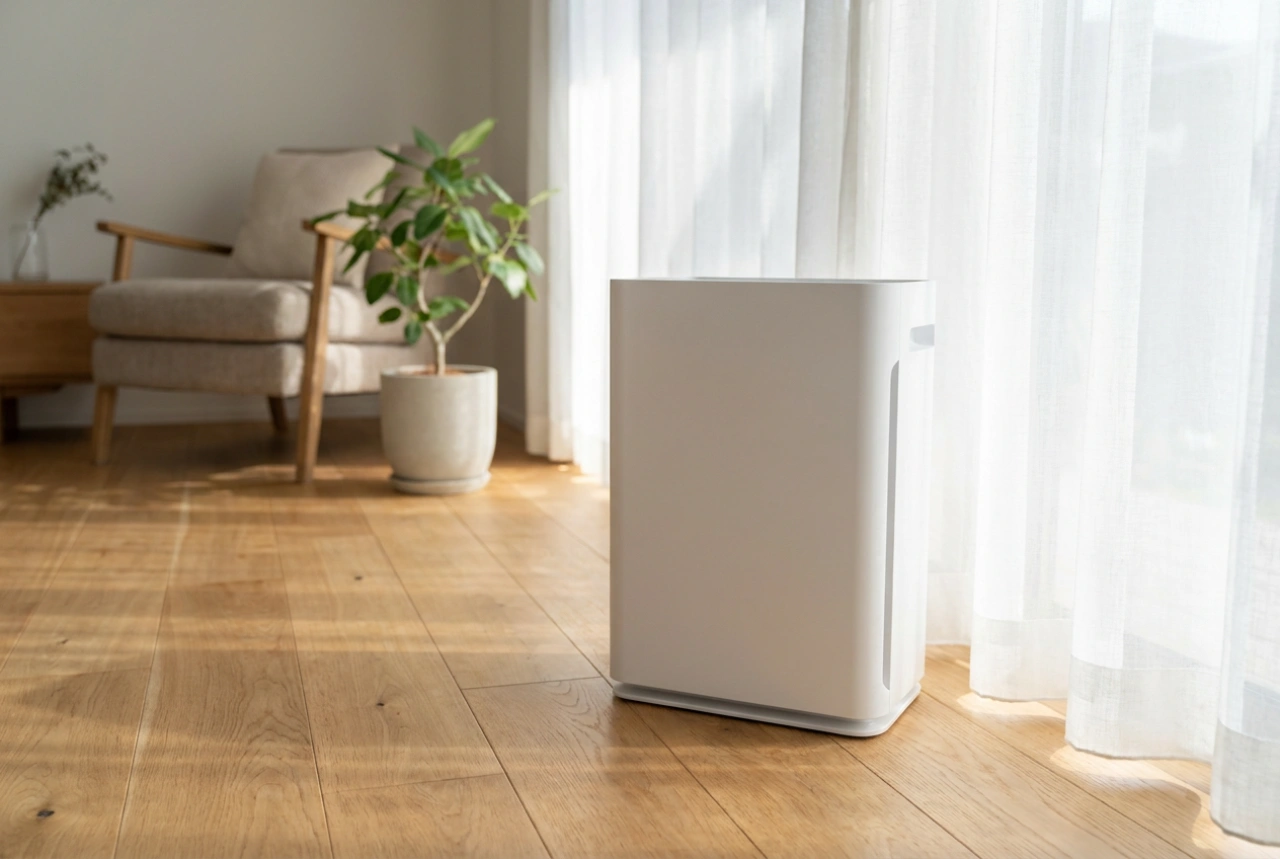
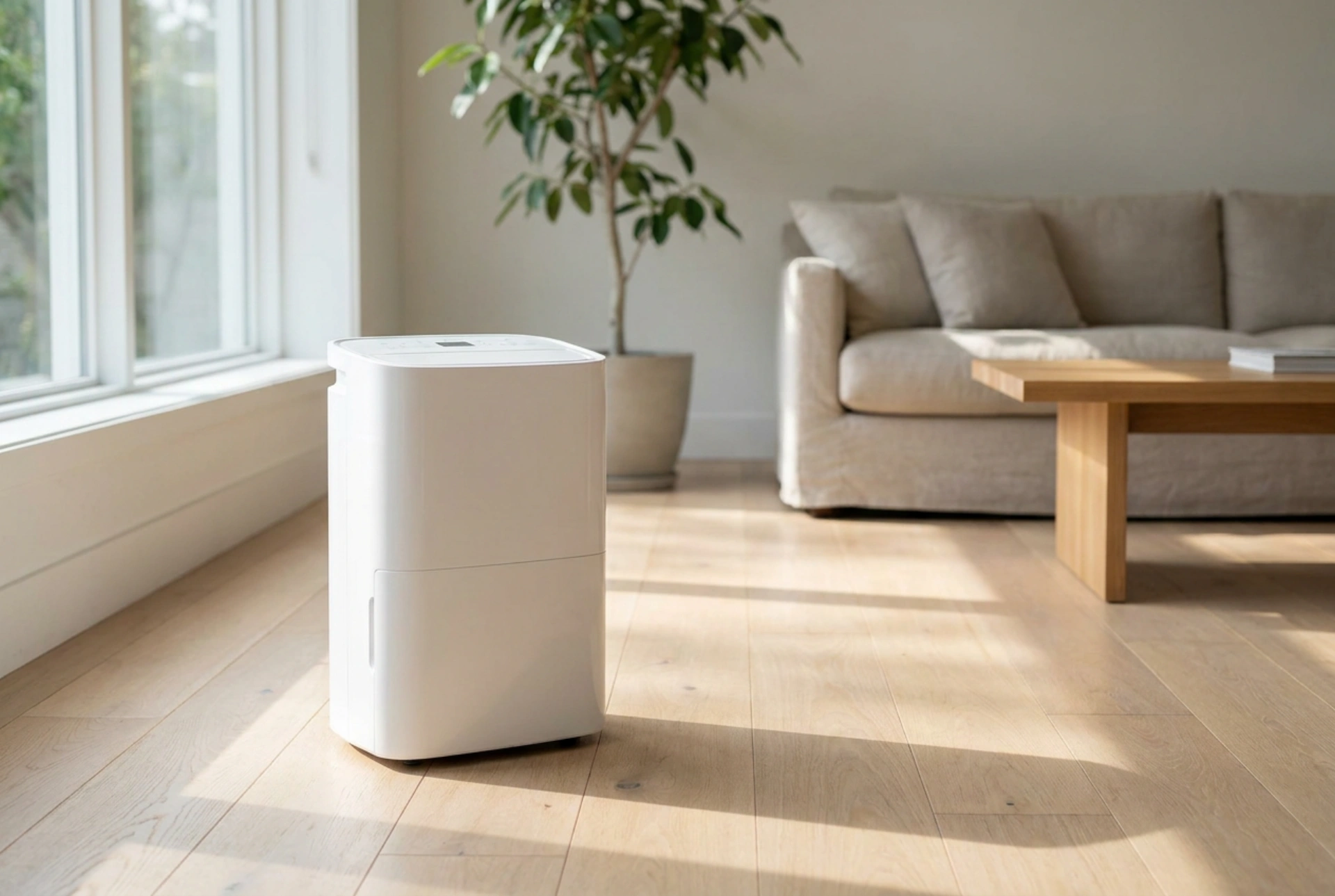
For a dehumidifier to work efficiently, it must be positioned to maximize air circulation. Placing a unit in a tight corner or directly against a wall restricts the intake of damp air and the distribution of dry air, creating localized zones of dry air while leaving the rest of the room damp.
Position the unit in a central location within the affected area, ensuring at least 30 to 50 centimeters of clear space around all sides. To treat multi-level dampness, place the unit on the lowest level, such as a basement, because cool, damp air is denser and naturally settles at the lowest points of a building. Ensure all exterior windows and doors are fully closed in the target room to prevent the continuous infiltration of outdoor moisture, which forces the compressor to run indefinitely without reaching the target humidity level.
Essential Maintenance for Thermal Efficiency
Accumulated dust and airborne particles act as thermal insulators on the internal coils, reducing the heat transfer required for condensation. This forces the compressor to work harder, consuming more energy and reducing the overall moisture extraction rate.
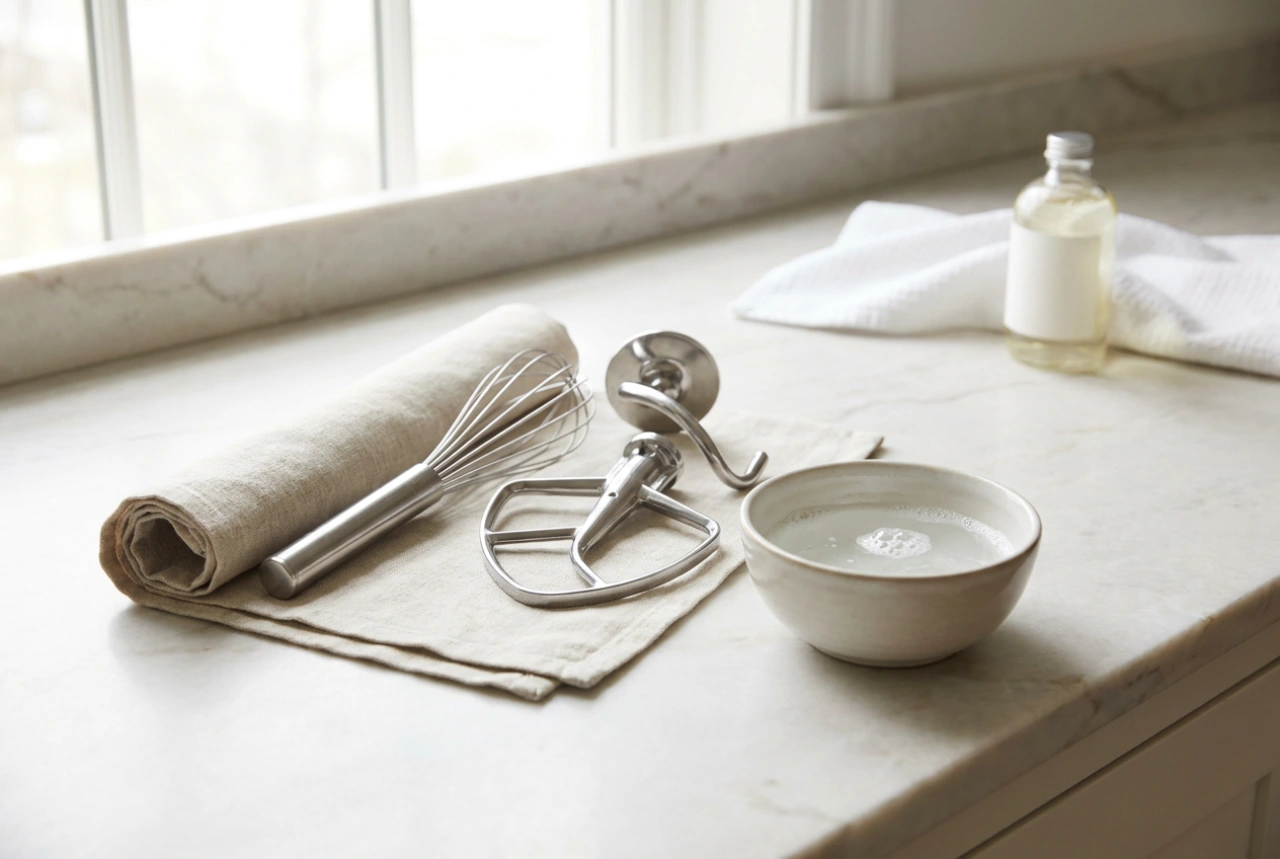
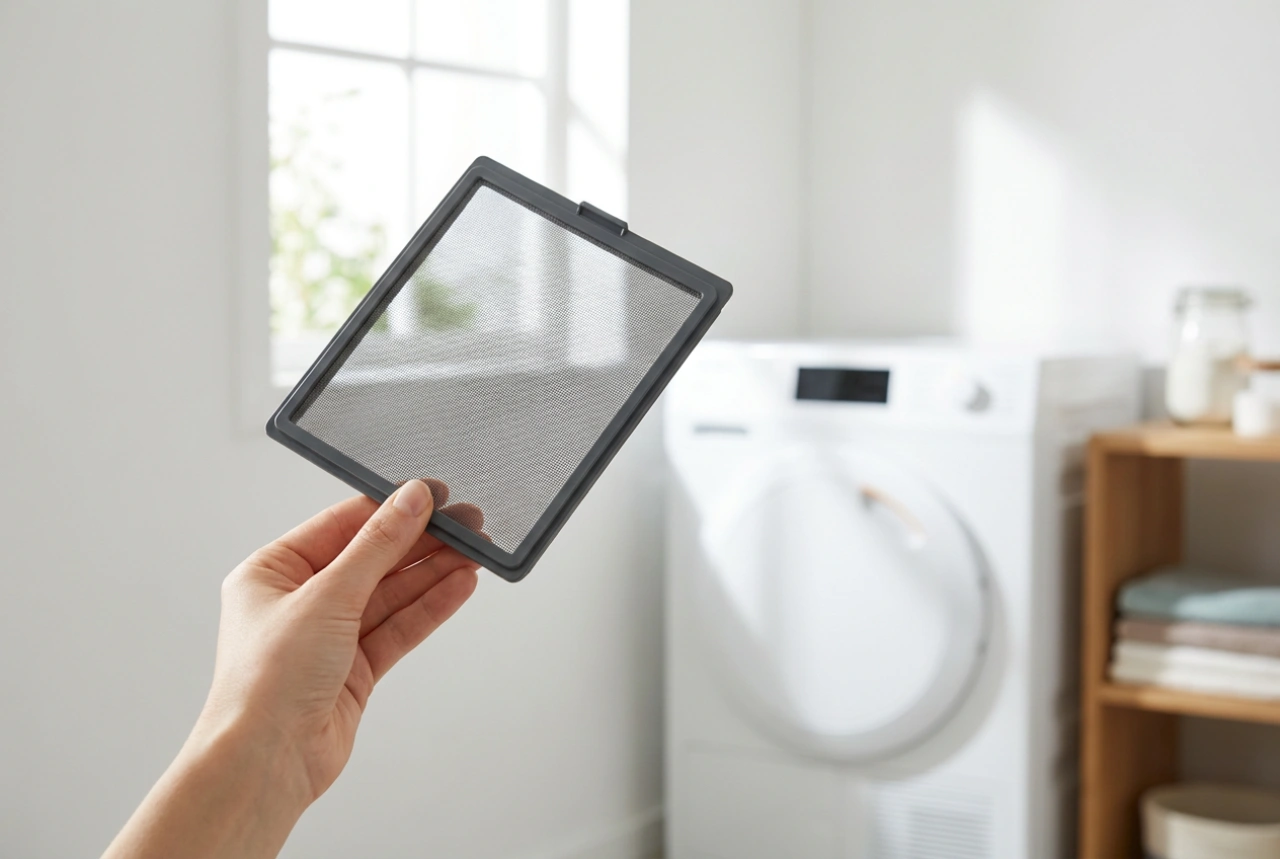
Clean the air intake filter every two weeks by rinsing it with warm water and allowing it to dry completely before reinsertion. Additionally, wash the water collection reservoir weekly with a dilute solution of warm water and a neutral detergent to prevent bio-films from forming in standing water. If your unit features a continuous gravity drain, ensure the hose runs downward without kinks or loops, as any upward bend will create an airlock and cause the water to back up into the internal safety float switch, shutting down the machine.