

Maintaining a sparkling water maker ensures fresh-tasting carbonated water and prevents the silent buildup of biofilm, lime deposits, and bacteria in hard-to-reach areas.
Understanding the Vulnerabilities of a Carbonator
Carbonation systems seem clean because they only process water, but this is a common misconception. Stagnant moisture inside the nozzle, the bottle neck, and the drip tray creates a perfect microenvironment for biofilm formation. Biofilm is a structured community of microorganisms embedded in a self-produced slimy matrix that strongly adheres to plastic and metal surfaces. In addition, when tap water is used, dissolved calcium and magnesium ions precipitate out of solution as carbon dioxide gas is released. This leads to calcium carbonate deposits (limescale) around the gas injection nozzle, which can clog the micro-orifices and reduce carbonation efficiency over time.
The Chemistry of Descaling and Disinfecting
To keep the system running efficiently without degrading the delicate seals, you must choose the correct chemical agents. Never use aggressive chlorine-based bleaches or abrasive scrubs, as these will degrade the synthetic rubber O-rings that maintain pressure during carbonation. Instead, rely on organic acids and mild surfactants.
- Citric Acid for Limescale: Citric acid is a chelating agent that binds to metal ions, making calcium carbonate soluble. Dissolve two tablespoons of food-grade citric acid powder in half a liter of warm water to create a highly effective descaling solution.
- Oxygen Bleach for Sanitation: Sodium percarbonate (oxygen bleach) decomposes in water into sodium carbonate and hydrogen peroxide. This reaction releases active oxygen, which physically breaks down organic biofilm matrices and oxidizes odor-causing bacteria without leaving harmful chemical residues.
Step-by-Step Deep Cleaning Protocol
Perform a thorough cleaning of your carbonation machine once a month to ensure maximum hygiene. Always remove the carbon dioxide cylinder before starting the cleaning process to prevent accidental gas discharge or pressure buildup.
Step 1: Sanitize and Descale the Nozzle
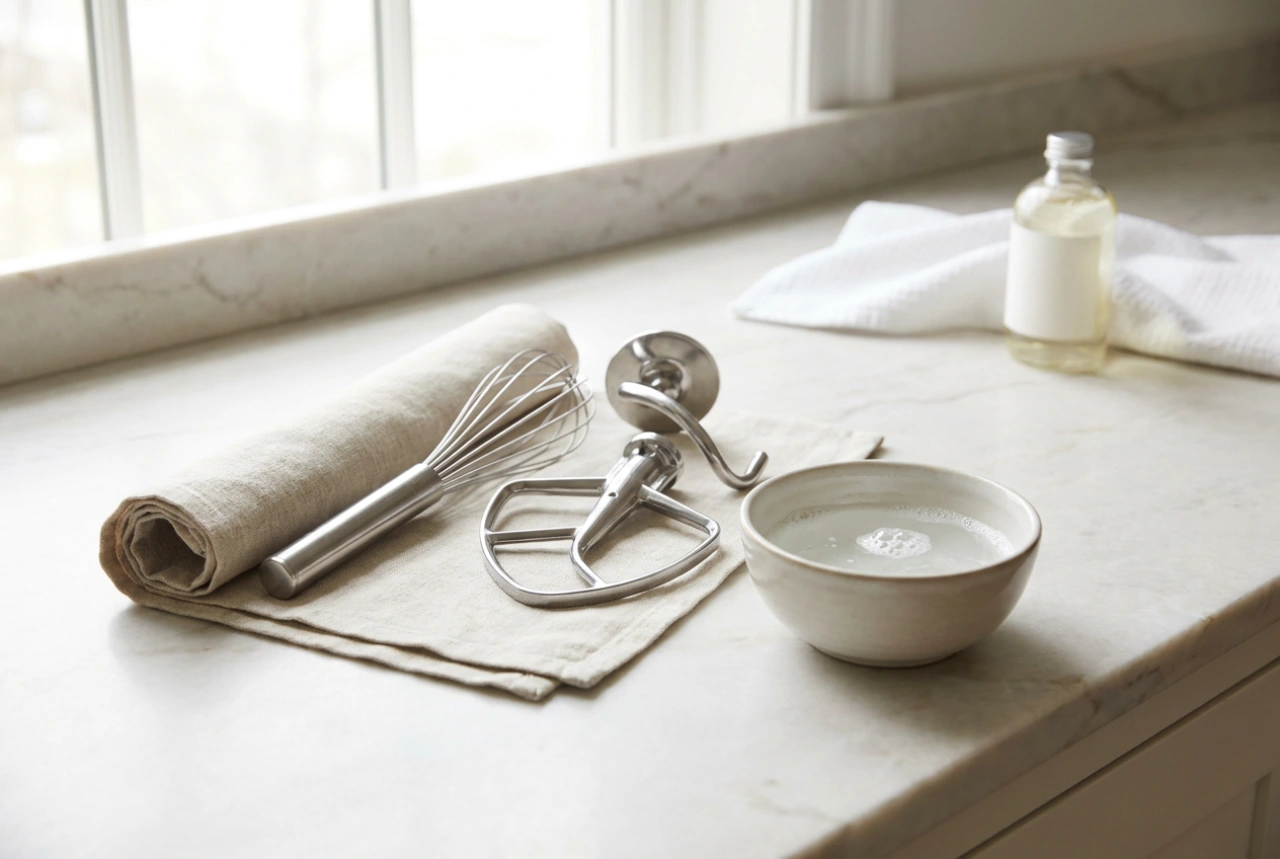
The injection nozzle is in direct contact with the bottle's environment. Prepare your warm citric acid solution in a dedicated cleaning bottle that fits your machine. Screw the bottle into the mechanism and press the carbonation button briefly once to force a small amount of the acidic solution into the internal valve paths. Let it sit for fifteen minutes to dissolve any mineral scale. Unscrew the bottle and wipe the nozzle with a clean microfiber cloth dampened with warm water.
Step 2: Wash the Reusable Bottles
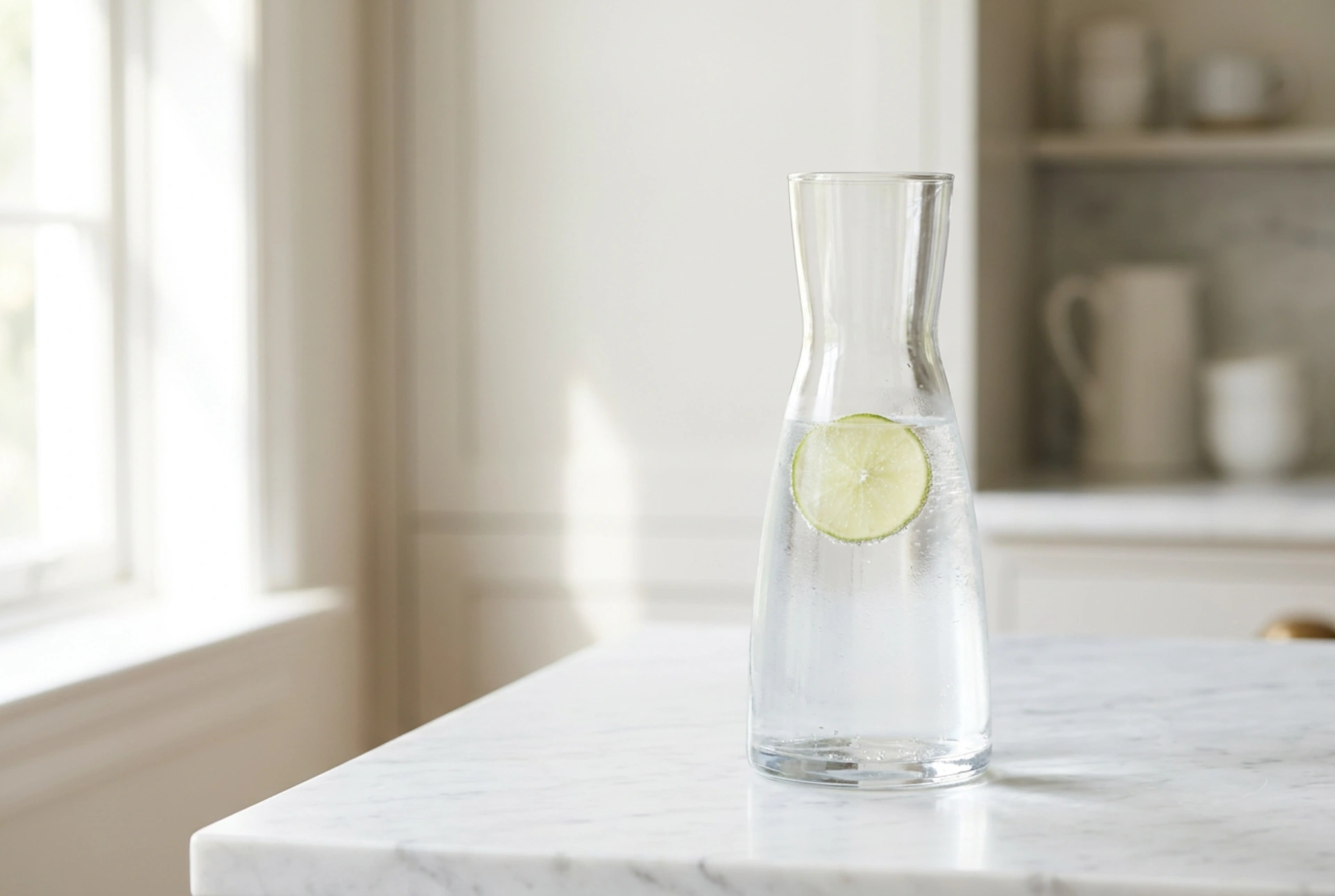
Reusable carbonation bottles are sensitive to temperature and should never be placed in a standard dishwasher unless explicitly labeled as dishwasher safe. High heat deforms the polyethylene terephthalate (PET) plastic, compromising its structural integrity under pressure. Wash bottles by hand using lukewarm water (under 40 degrees Celsius), a drop of neutral dish soap, and a long-necked bottle brush with soft nylon bristles. Pay close attention to the threads on the neck, where saliva and hand oils accumulate.
Step 3: Clean the Drip Tray and Housing
Water constantly drips from the nozzle after a bottle is removed. Pull out the drip tray, disassemble the grate, and wash both parts in warm, soapy water. Dry them thoroughly to prevent standing water from harboring mold. Wipe down the external housing of the machine with a damp microfiber cloth to remove dust and fingerprint oils.
Preventative Habits for Daily Maintenance
Preventative care reduces the frequency of deep cleaning. Always use filtered water to minimize mineral deposits on the nozzle. Never carbonate liquids other than plain water; sugars, flavorings, and acids from juices or syrups will contaminate the internal valves, causing sticky blockages that are extremely difficult to clean and can ruin the sealing mechanism. After each use, leave the bottle off the machine for a few minutes to allow the injection nozzle to air-dry completely.