

Eliminate stubborn limescale, grease, and mold from your dishwasher's inner door and rubber seals using targeted chemical reactions and precise physical cleaning techniques.
The Chemistry of Dishwasher Grime: Why Standard Cycles Fail
While the internal wash arms of a dishwasher clean the main tub during a standard cycle, the perimeter of the door and the rubber door seals remain largely untouched. Water does not circulate directly over these areas, leading to a steady accumulation of detergent residue, food proteins, lipids, and calcium carbonate (limescale). Over time, this stagnant environment becomes a breeding ground for black yeast and mold, which thrive in warm, humid conditions.
To dissolve these deposits, you must use the correct chemical agents. Alkaline grease requires a mild surfactant or a degreasing agent to break down lipids, while alkaline limescale demands an acid to dissolve the mineral bonds. Standard multi-purpose cleaners often contain harsh chemicals that can degrade the structural integrity of the rubber seals, making a targeted, material-safe approach essential.
Selecting the Right Cleaning Agents for Rubber and Stainless Steel
Protecting the physical components of your dishwasher is critical during cleaning. Rubber seals (usually made of EPDM or silicone) can dry out, crack, or lose their elasticity if exposed to harsh chlorinated bleach or highly concentrated solvents. Instead, use a dilute solution of citric acid or distilled white vinegar to target limescale, combined with a neutral, plant-based surfactant or a mild dish soap to lift grease.
- Citric Acid Solution: Dissolve two tablespoons of food-grade citric acid powder in 500ml of warm water. This weak organic acid breaks down calcium carbonate into highly soluble calcium citrate without corroding the surrounding stainless steel.
- Mild Degreaser: Mix a few drops of neutral liquid dish soap with warm water. This breaks down the surface tension of accumulated fats and oils on the door frame.
Step-by-Step Cleaning Protocol for Seals and Door Edges
For the best results, follow a systematic cleaning sequence that prevents the redistribution of dislodged debris into the machine's filtration system.
1. Manual Debris Removal and Pre-Wipe
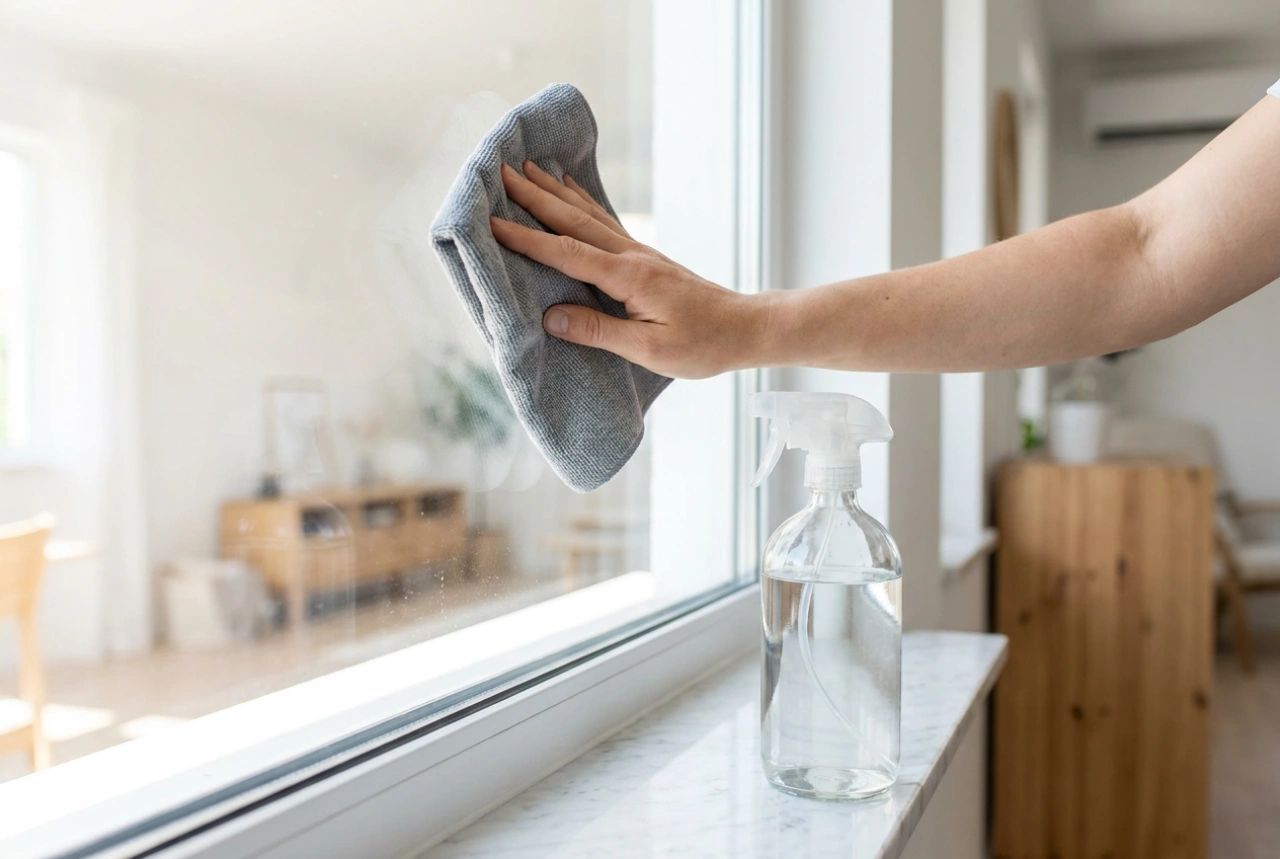
Begin by opening the dishwasher door fully. Using a damp, lint-free microfiber cloth, wipe away any loose debris, food particles, or standing grime from the lower door hinge area and the outer edges of the inner door panel. Avoid scraping the rubber with sharp objects, as even minor punctures can cause future leaks.
2. Deep-Cleaning the Rubber Seals
Dip a soft-bristled toothbrush or a specialized detail brush into your citric acid or mild soap solution. Gently work the bristles into the folds and crevices of the rubber gasket. Do not pull or stretch the seal away from its channel, as this can deform the material. Use small, circular motions to loosen trapped mold and calcified detergent. Wipe the dissolved grime away immediately with a clean, damp microfiber cloth.
3. Descaling the Inner Stainless Steel Door
Spray your citric acid solution directly onto the vertical stainless steel edges of the door where water spray from the cycle evaporates and leaves mineral rings. Let the solution sit for three to five minutes to chemically dissolve the calcium deposits. Wipe downward using a clean microfiber cloth, following the natural grain of the brushed metal to prevent micro-scratches.
4. Treating the Bottom Door Seam
The very bottom edge of the dishwasher door is the most common site for grease accumulation. Because this area is hidden when the door is closed, it often requires extra attention. Apply your mild degreasing solution to this seam, let it penetrate the greasy layer for two minutes, and wipe it clean with a firm, upward motion of your cloth.
Preventative Maintenance to Stop Future Buildup
Keeping the door and seals clean requires minimal effort if integrated into your weekly kitchen routine. After the final cycle of the day, leave the dishwasher door slightly ajar. This simple action allows ambient air to circulate, lowering the humidity levels inside the chamber and halting the growth of mold and mildew on the rubber seals.