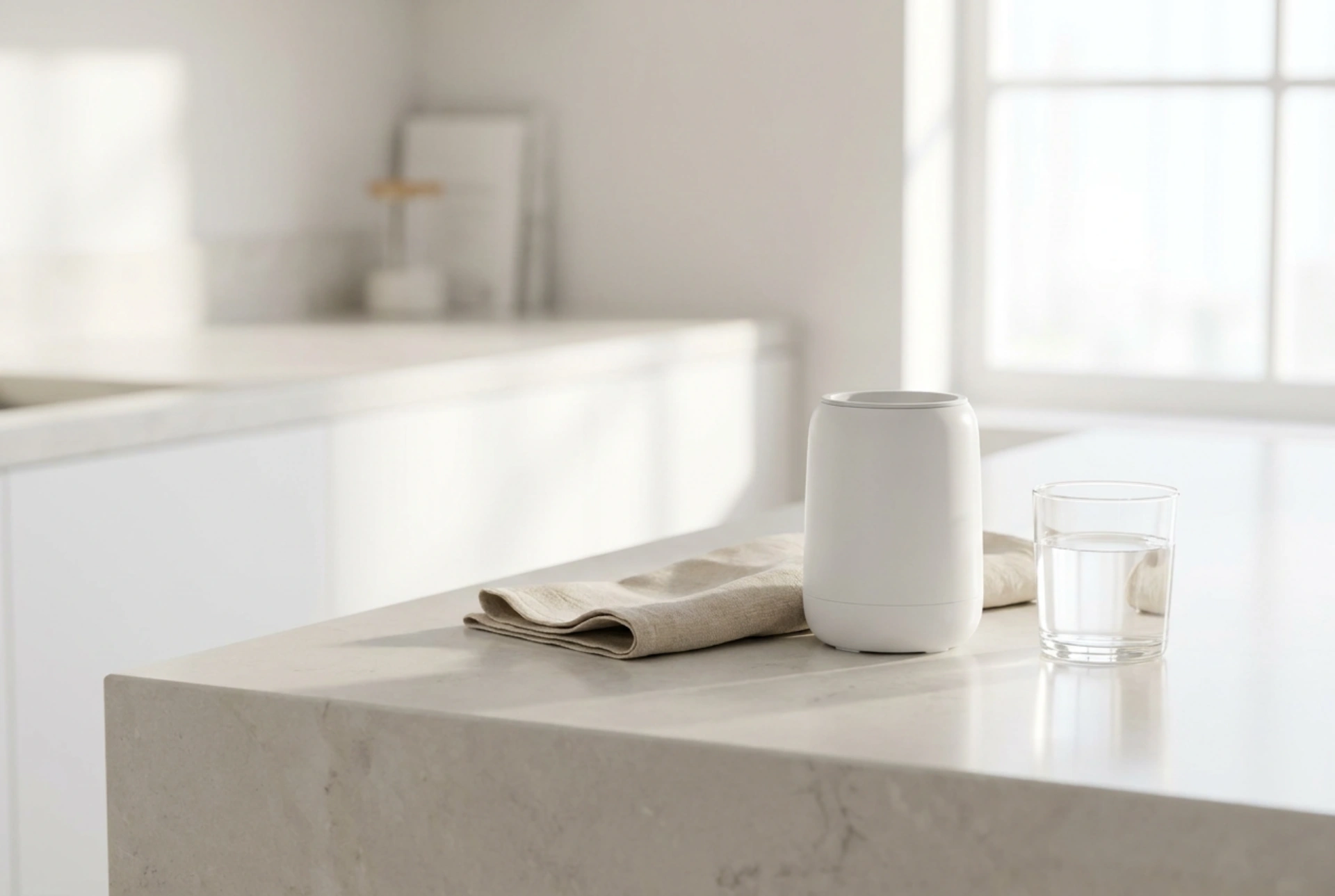


Maintaining a cordless bottle warmer is crucial for baby safety, as dried milk residues create a perfect breeding ground for bacteria and stubborn mineral scale.
The Chemistry of Milk Residue and Scale
Milk is a complex emulsion of proteins, fats, and sugars. When heated, proteins like whey can coagulate and adhere firmly to the heating plate of your cordless warmer. If left uncleaned, these organic compounds decompose, leading to sour odours and bacterial growth. Additionally, water used in the warming chamber contains dissolved minerals like calcium and magnesium. As water evaporates during the heating process, these minerals crystallize, forming a hard layer of limescale. This scale acts as an thermal insulator, reducing the efficiency of the heating element and forcing the battery-powered device to work harder, which ultimately shortens its lifespan.
The Step-by-Step Daily Cleaning Routine
To prevent organic buildup, you must clean the heating chamber after every single use. Always ensure the device is switched off and completely cooled down to protect the internal electronic components from thermal shock.
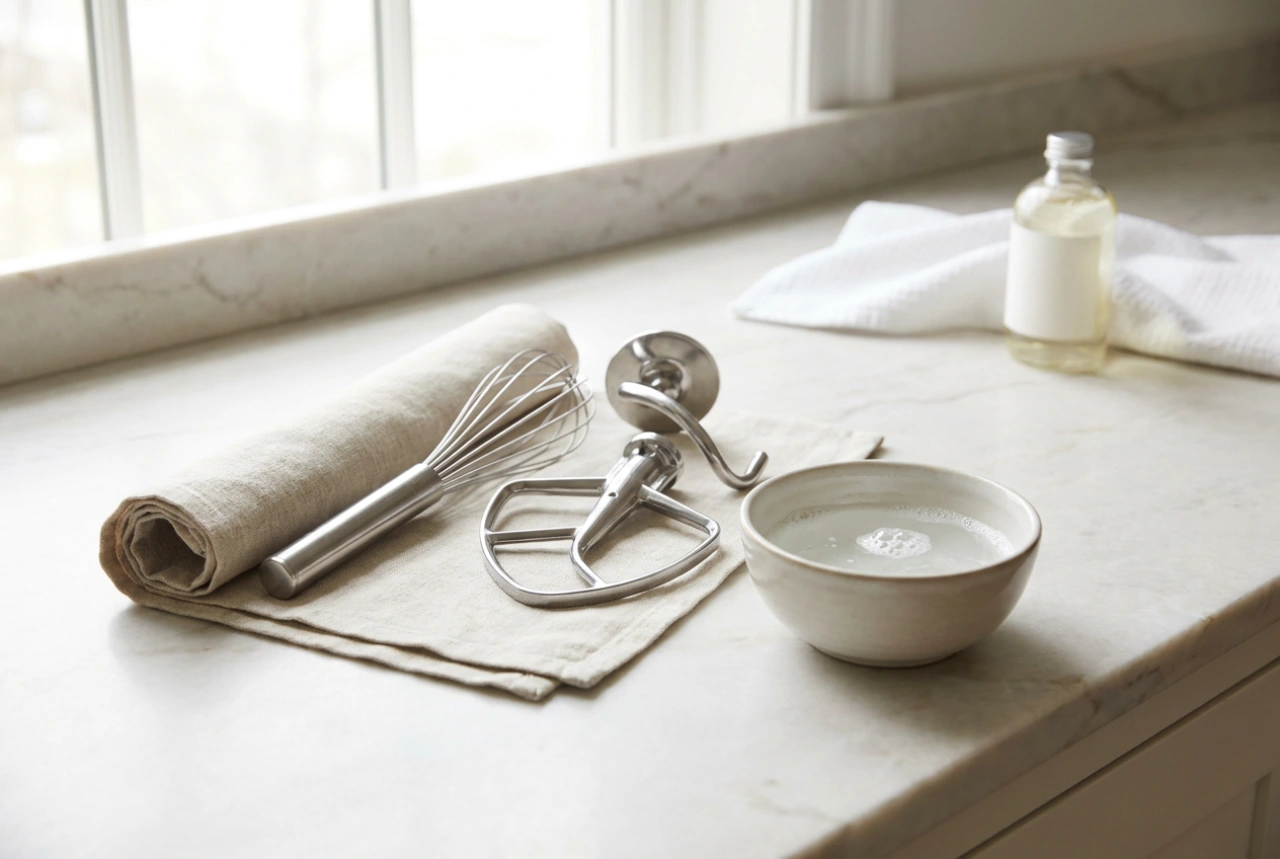
- Wipe the chamber: Use a soft, damp microfiber cloth to wipe away any condensation or liquid milk spills. Microfiber is essential here because its microscopic fibers grip residues without scratching the delicate heating surface.
- Neutralize fats: If milk spilled directly onto the element, dilute a single drop of pH-neutral dishwashing liquid in warm water. Dampen the cloth in this solution, wring it out thoroughly so it is not dripping, and gently wipe the surface. This emulsifies the milk fats, allowing them to be wiped away easily.
- Rinse and dry: Wipe down the chamber with a second cloth dampened only with clean water to remove any soap residue. Finally, dry the chamber completely with a clean paper towel or dry cloth to prevent standing water from starting the scaling process.
Descaling the Heating Plate Safely
Even with daily wiping, mineral scale will gradually accumulate on the heating plate. To dissolve these calcium deposits without damaging the seals or the metallic heating plate, you need a mild, food-safe acid like citric acid or white vinegar.
The Citric Acid Method
Citric acid is highly effective and completely odorless, making it ideal for baby products. Mix one tablespoon of citric acid powder with 100 ml of warm water until fully dissolved. Pour this solution directly into the heating chamber of the warmer, ensuring it covers the scale deposits. Let the solution sit for 15 to 20 minutes without turning the device on. The acid chemically reacts with the calcium carbonate, converting it into highly soluble calcium citrate. Pour out the liquid, rinse the chamber thoroughly with clean water, and wipe dry.
The White Vinegar Method
If citric acid is unavailable, use a 1:1 mixture of water and white distilled vinegar. Pour the mixture into the chamber and let it soak for 30 minutes. The acetic acid will break down the mineral bonds. After soaking, empty the chamber, wipe the softened scale away with a soft cloth, and rinse multiple times with clean water to eliminate any lingering vinegar scent.
Crucial Maintenance Mistakes to Avoid
Cordless bottle warmers contain sensitive rechargeable batteries and electronic circuits beneath their compact exterior. You must never submerge the base of the device in water or place it under a running tap. Water ingress will permanently damage the electronics and create a short-circuit hazard. Avoid using abrasive scouring pads, steel wool, or harsh chemical bleach. These physical and chemical abrasives scratch the protective coating of the heating plate, creating tiny crevices where bacteria and scale can cling even more firmly in the future.