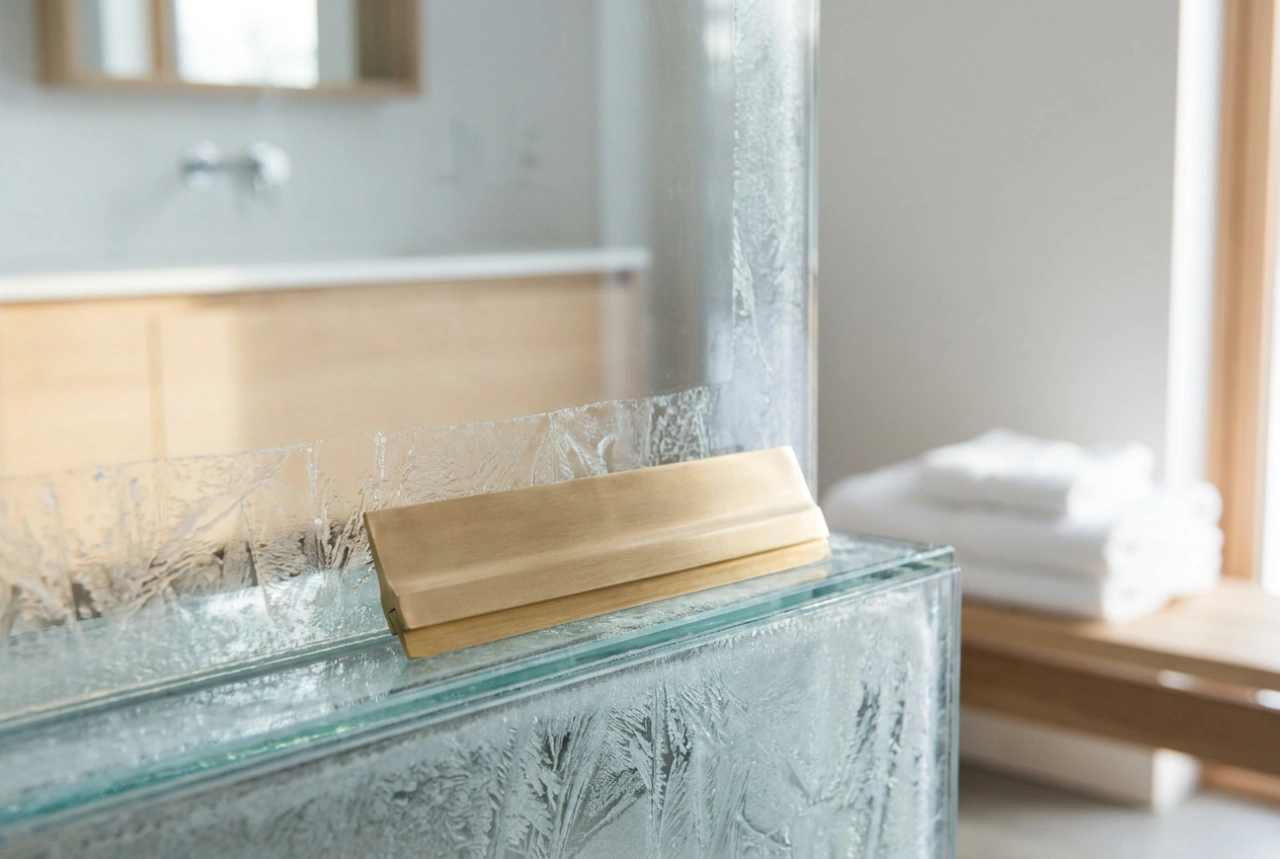


Cleaning high windows with a telescopic squeegee often results in frustrating dirty pools and streaks along the bottom frame. This common issue is caused by a combination of gravity, changing leverage angles, and improper blade-to-glass contact at the lowest point of your stroke.
The Physics of Water and Gravity on Glass
To prevent streaks, it is essential to understand how water behaves on a glass surface. Glass is naturally hydrophilic, meaning water spreads across it easily. When you apply a cleaning solution, you create a thin, continuous film. As you drag a rubber squeegee blade down the window, you are mechanically gathering this liquid and pulling it downward.
Gravity constantly pulls the water toward the earth. When using a telescopic pole, the angle of the tool changes as you pull it down. At the top of the window, you are pushing the blade against the glass at a relatively steep angle. As the squeegee reaches the bottom, the angle flattens out, reducing the pressure of the rubber blade. This reduction in pressure allows water to slip underneath the blade, forming a pool of dirty liquid right at the bottom gasket. When this pooled water dries, it leaves behind dissolved minerals and dirt, resulting in unsightly white streaks.
Perfecting the Angle of Attack
The key to streak-free telescopic window cleaning lies in maintaining a consistent angle of attack. The rubber blade must always maintain a 45-degree angle relative to the glass surface. When using an extension pole, you must adjust your body position to compensate for the changing distance.
- Step Back for High Areas: Stand further away from the window when cleaning the top section. This keeps the pole at a shallow enough angle to apply even pressure.
- Step In as You Descend: As the squeegee moves down the glass, slowly walk toward the window. This movement allows you to keep the pressure on the blade constant without flattening the angle.
- Do Not Pivot Too Early: Avoid twisting the pole too early in the downward stroke. Keep the blade perfectly horizontal until you reach the final few inches.
The "Horizontal Relief Stroke" Technique
Simply pulling the squeegee straight down and lifting it off the glass guarantees water pooling at the bottom. Professional window cleaners use a specific sequence of movements to clear the bottom edge of the glass before the water can settle.
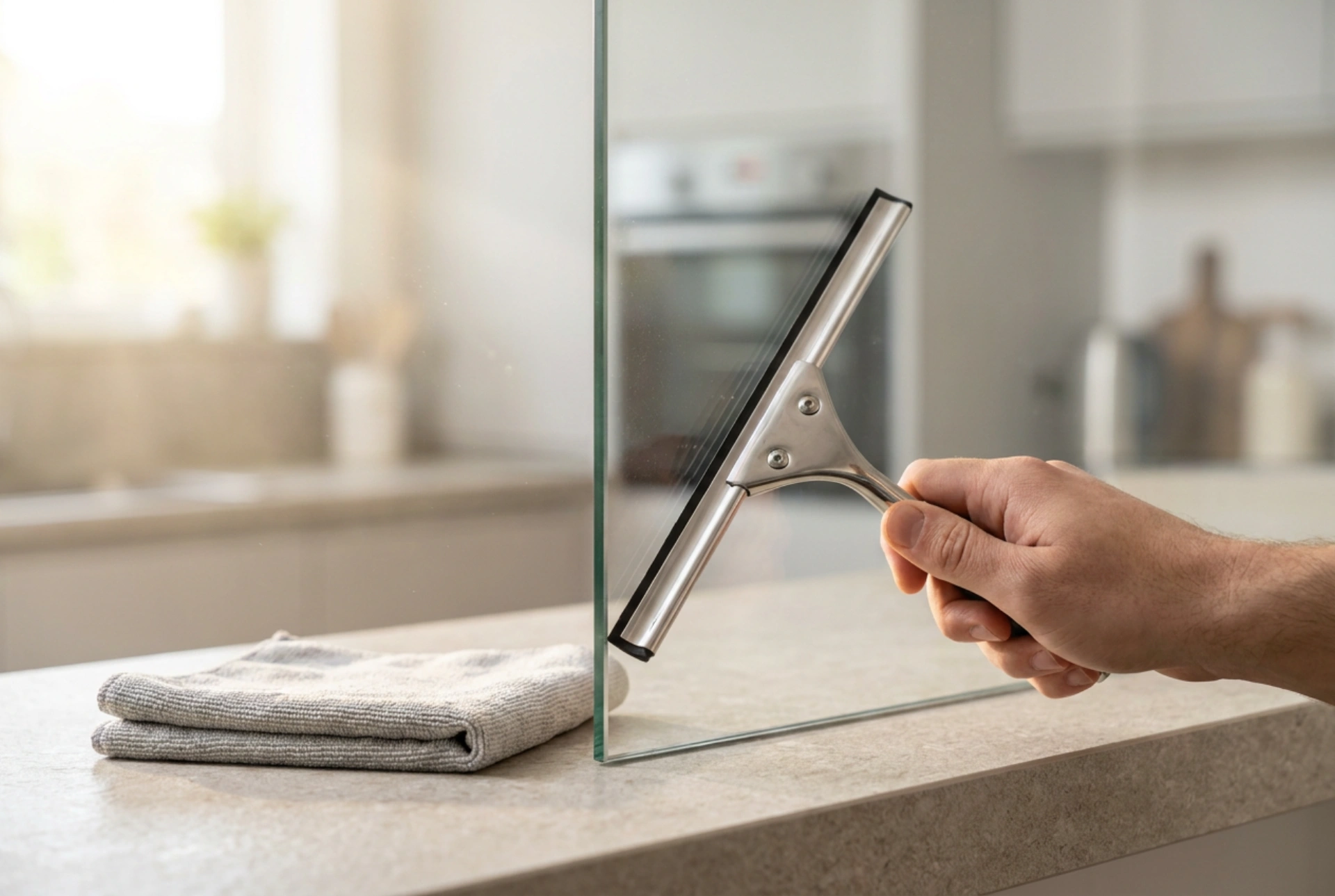
First, perform your vertical passes as usual, but stop approximately two inches above the bottom frame. Lift the squeegee cleanly. Next, perform a horizontal swipe along the very bottom of the glass pane. To do this, tilt the squeegee blade slightly so that only the leading edge of the rubber touches the dry glass, while the trailing edge pulls the pooled water sideways into a micro-fiber cloth held at the side frame. This action redirects the downward force horizontally, sweeping the accumulated water away from the bottom seal.
Why Blade Material and Maintenance Matter
The physical properties of the rubber blade dictate its performance. Natural vulcanized rubber is highly flexible and conforms to minor surface imperfections. However, rubber degrades when exposed to UV light and friction. A worn, rounded, or nicked blade will leave microscopic channels of water behind, which manifest as thin vertical streaks.
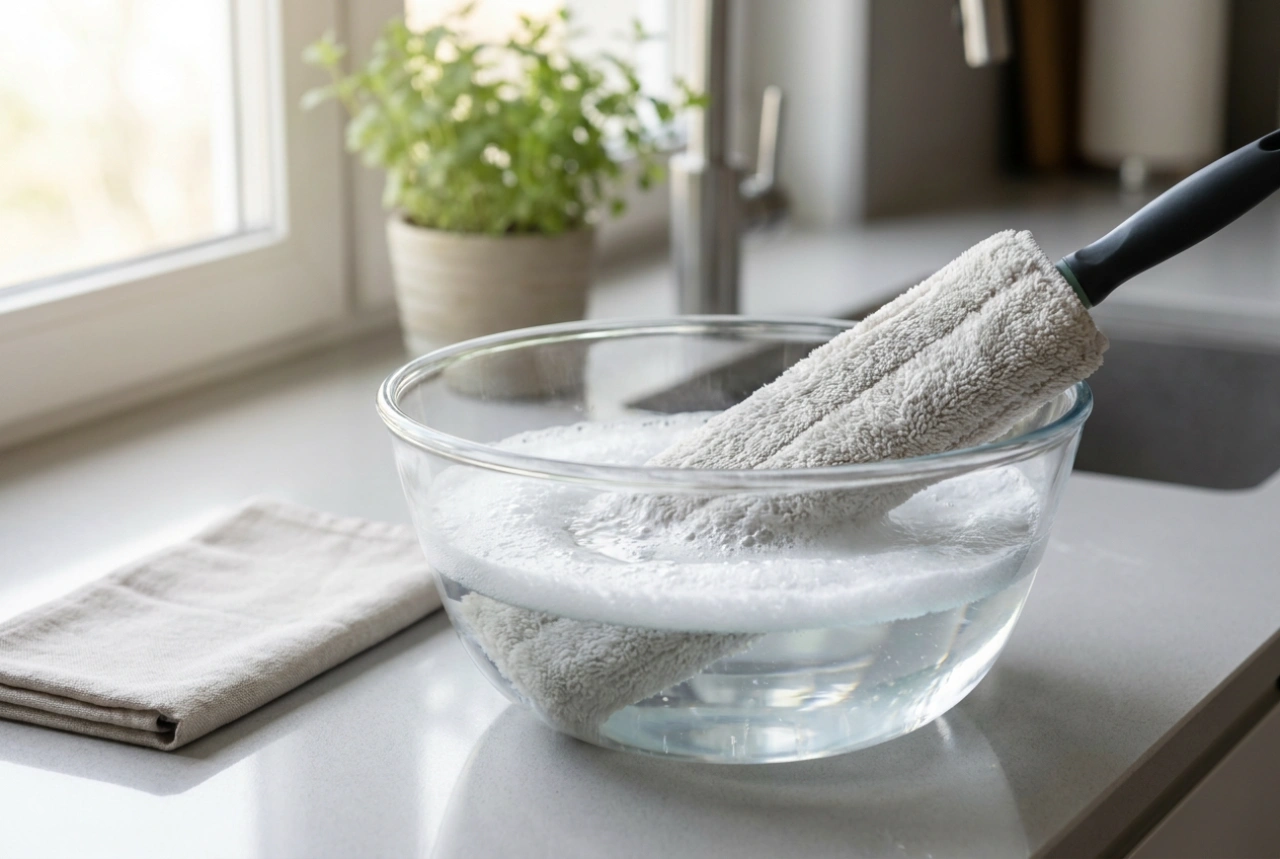
Always inspect the blade before starting. The edge must be razor-sharp and straight. If you notice streaks in the middle of your pane, flip or replace the rubber insert. Additionally, keep the blade clean between passes. After every single stroke down the window, wipe the rubber blade completely dry with a clean microfiber cloth. If you place a wet blade back onto the glass, you will instantly create a wet starting line that gravity will pull downward.
Managing the Bottom Gasket
The rubber gasket or sealant at the bottom of the window pane is a natural trap for dirt and water. If this area is saturated with dirty cleaning solution, it will wick back up onto the clean glass through capillary action. Before you begin squeegeeing, use a dry, high-density microfiber cloth wrapped around a thin tool to dry the bottom gasket completely. By removing the moisture reservoir at the base, you eliminate the source of capillary wicking, ensuring that your final horizontal pass leaves the bottom edge perfectly dry and streak-free.