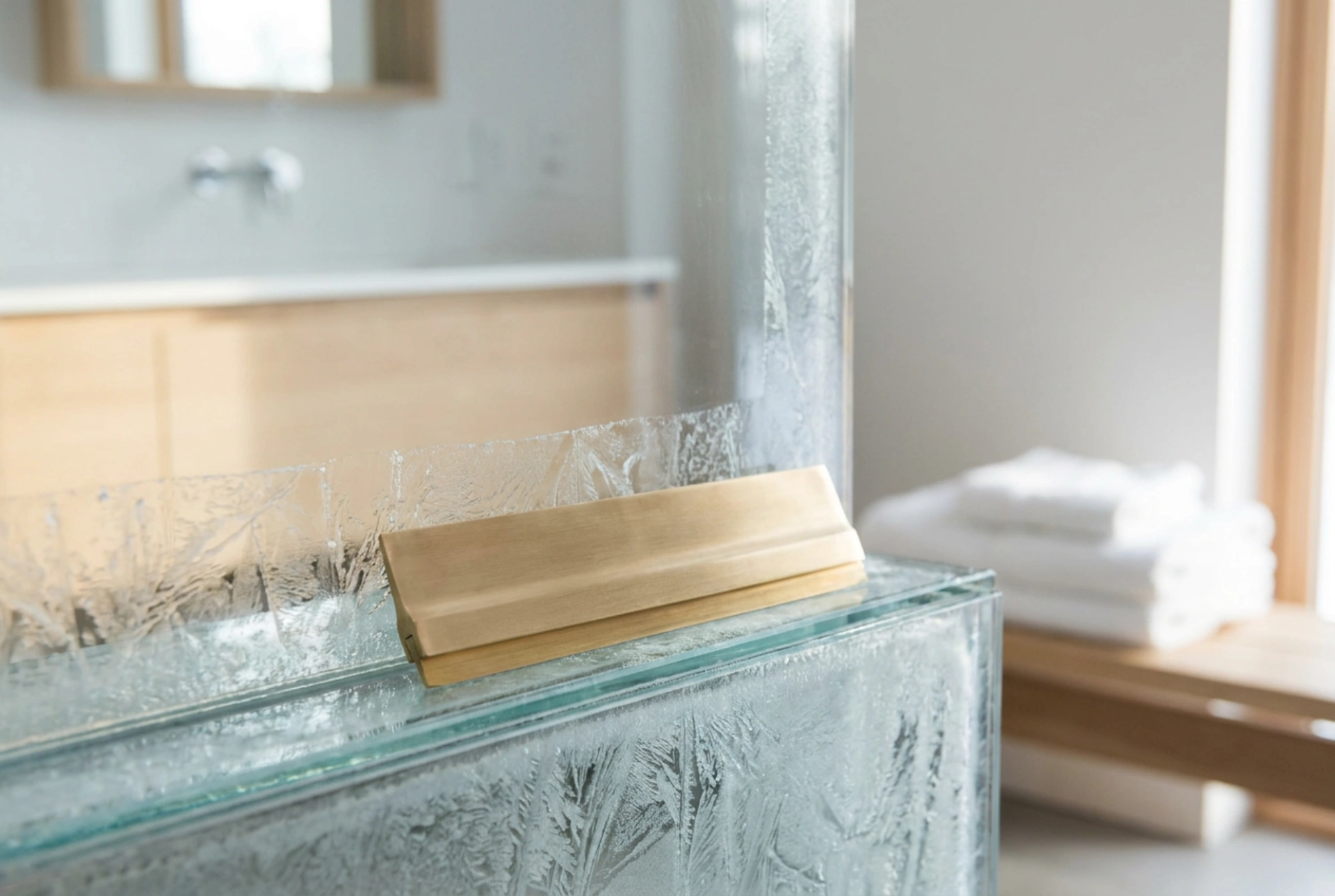


Brass glass scrapers offer a highly effective, scratch-free method for removing stubborn ice and dried grime from glass surfaces due to the unique hardness differential between brass and glass. Understanding the physical principles of this tool ensures safe and optimal cleaning results without damaging your windows.
The Materials Science Behind Brass and Glass
The safety and efficacy of a brass scraper rely entirely on the Mohs scale of mineral hardness. Standard window glass, typically composed of soda-lime-silica, registers a hardness rating between 5.5 and 6.5. In contrast, brass—a metallic alloy consisting primarily of copper and zinc—possesses a Mohs hardness of approximately 3.0 to 4.0. Because glass is significantly harder than brass, the metal cannot physically abrade or scratch the glass surface under manual pressure. Conversely, crystalline water (ice) holds a hardness of about 1.5 near freezing temperatures, though it increases slightly as the temperature drops. This gap in hardness allows the brass edge to easily shear through ice and compacted frost while gliding safely over the underlying glass substrate.
Optimal Techniques for Ice Clearance
To maximize the shearing force of a brass scraper on iced windows, proper ergonomics and mechanical angles are essential. The scraper should be held at a shallow angle of 15 to 30 degrees relative to the glass surface. This low angle ensures that the force applied is directed parallel to the glass pane, lifting the ice from its adhesion points rather than compressing it downward. Always push the scraper in a forward, linear motion. Never pull the tool backward across the glass; dragging the blade in reverse can trap dislodged grit or microscopic debris beneath the flat edge, which increases friction and the risk of scratching the glass with the trapped contaminants rather than the brass itself.
Mitigating Risks with Dried Dirt and Grime
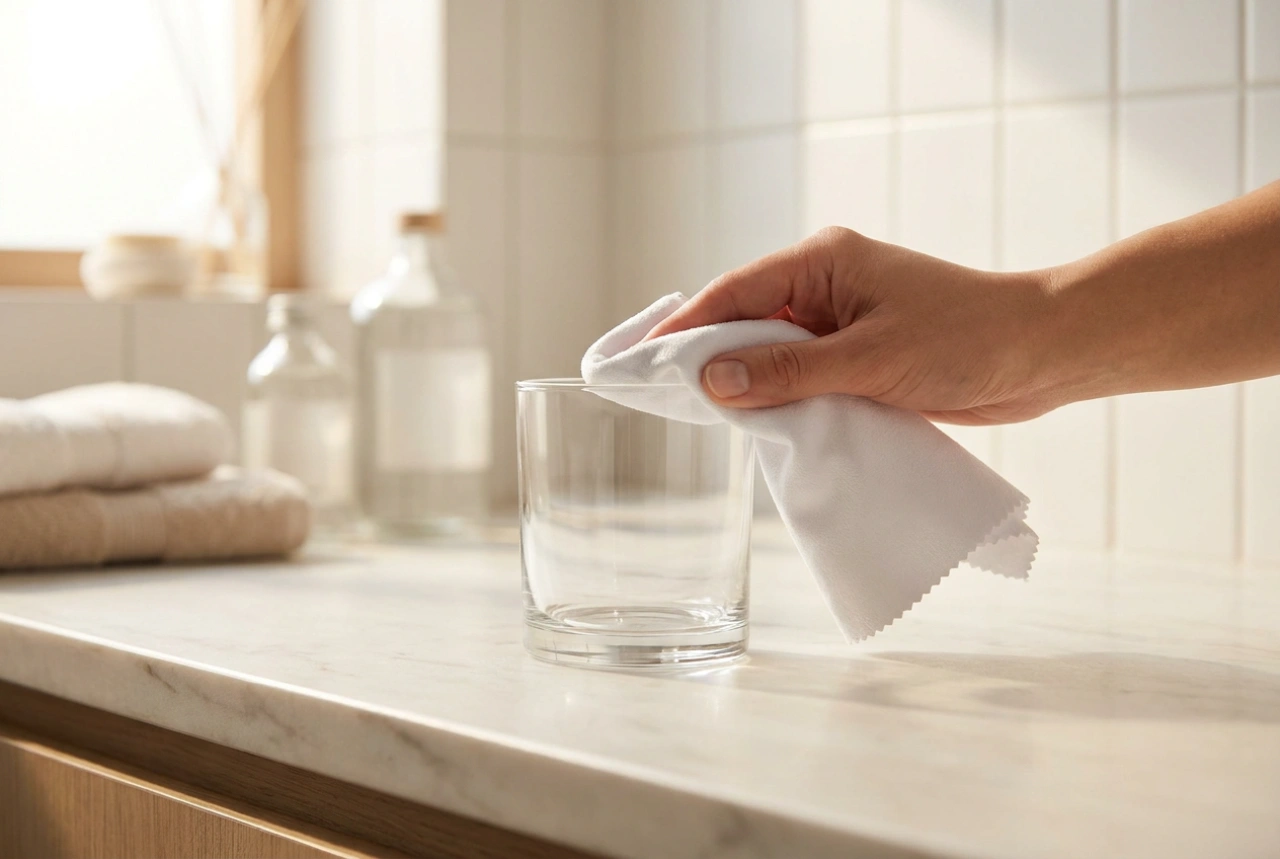
While brass is softer than glass, dried dirt often contains atmospheric dust, which can include silica, quartz, or tiny mineral particles. These environmental contaminants have a Mohs hardness of 7.0 or higher, meaning they can easily scratch glass if dragged across it. Therefore, scraping dry dirt requires a strict protocol. You must always lubricate the surface beforehand. Applying a generous mist of water mixed with a basic surfactant (like a generic dish soap or window cleaner) encapsulates the particulate matter. The liquid acts as a barrier, suspending the abrasive particles. When scraping, perform short, single-directional passes, lifting the blade completely off the surface at the end of each stroke. Immediately wipe the brass edge with a clean microfiber cloth after every single pass to prevent dirt accumulation on the blade.
Blade Maintenance and Edge Dressing
Because brass is a relatively soft alloy, the scraping edge is susceptible to wear, nicking, and deformation over time. A damaged or uneven edge will distribute pressure unevenly, reducing cleaning efficiency and potentially trapping debris. Regularly inspect the blade for imperfections. If the edge becomes dull or nicked, it can be easily restored through a process called dressing. Place a sheet of fine-grit silicon carbide abrasive paper (around 400 to 600 grit) on a perfectly flat surface, such as a piece of float glass or a stone countertop. Hold the brass scraper at its original bevel angle and drag it smoothly across the abrasive paper in one direction until the edge is perfectly sharp and straight. Regular maintenance ensures the tool continues to perform safely and effectively.
Quick Reference Checklist for Safe Scraping
- Verify the Material: Ensure the scraper blade is genuine brass, not plated steel or aluminum.
- Maintain the Angle: Keep the blade at a 15 to 30-degree angle to lift rather than scrape.
- Always Lubricate Dirt: Never scrape dry soil; use a surfactant-based liquid to suspend particles.
- One-Directional Strokes: Only push forward; lift the scraper completely before starting the next stroke.
- Clean the Blade: Wipe the edge clean after every pass to prevent debris buildup.