

Cleaning expansive glass surfaces without leaving streaks requires more than just a standard spray bottle; it demands a systematic approach using a professional window washer sleeve (commonly known as a T-bar applicator) to control fluid dynamics and surface chemistry.
The Science of the Window Washer Sleeve
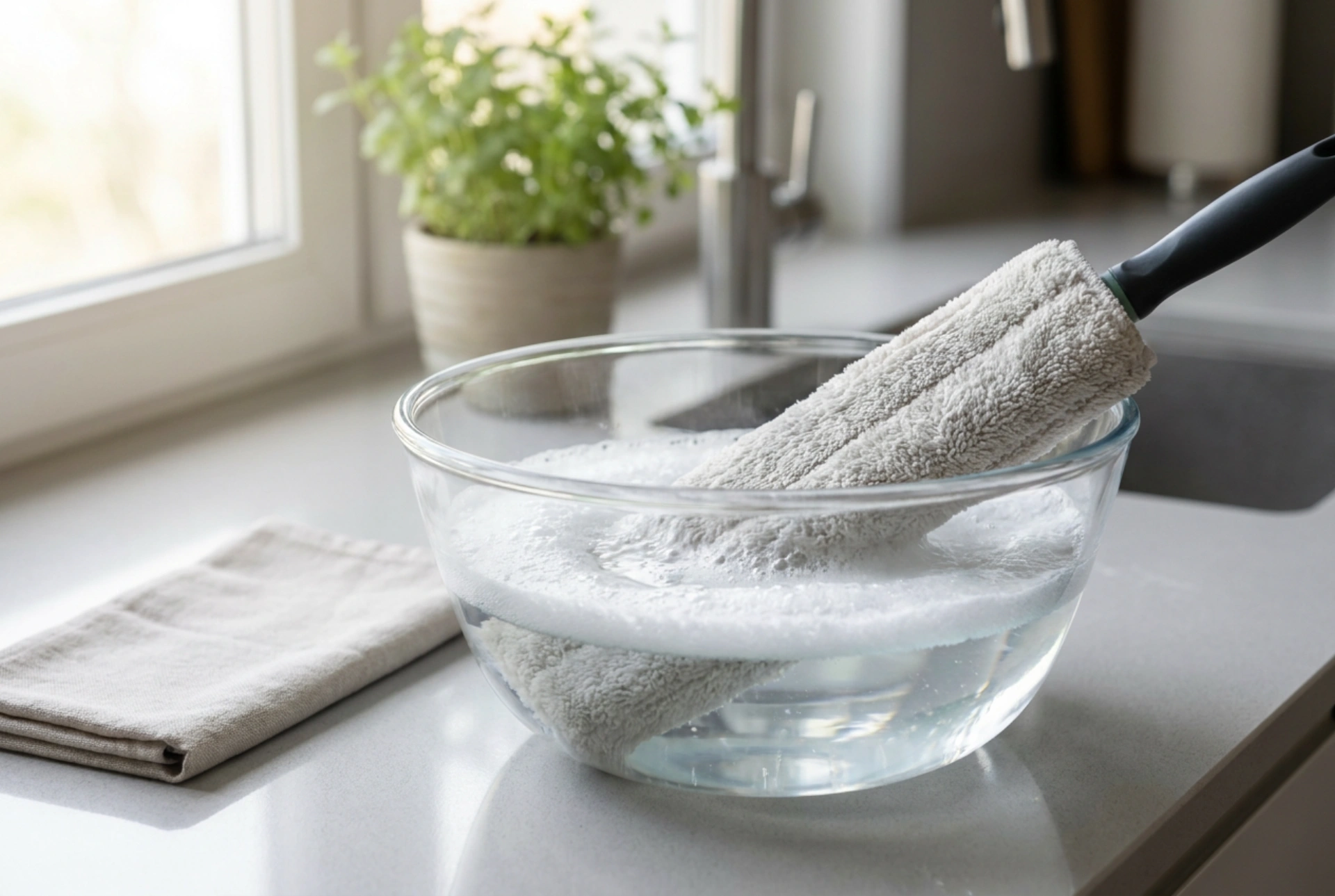
The washer sleeve, often made of dense microfiber or a synthetic blend, is designed to perform two simultaneous functions: high fluid retention and mechanical agitation. Microfiber consists of microscopically split polyester and polyamide fibres. These splits create a vast network of tiny channels that rely on capillary action to hold large volumes of cleaning solution. When pressed against glass, these fibres expand, trapping particulates, pollen, and oily residues within the microscopic gaps rather than dragging them across the glass surface, which could cause micro-scratches.
Using a standard cloth or sponge often leads to uneven pressure distribution. The rigid but flexible T-bar inside the sleeve ensures that uniform mechanical force is applied across the entire width of the tool. This uniform pressure is crucial for emulsifying stubborn environmental soils that adhere to exterior glass.
Understanding Surface Tension and Surfactant Chemistry
Water alone cannot clean glass effectively because of its high surface tension, which causes it to bead up rather than wet the surface. To overcome this, the cleaning solution must contain surfactants. Surfactants are amphiphilic molecules, meaning they have both hydrophilic (water-attracting) and hydrophobic (water-repelling) ends. The hydrophobic ends attach to grease, oils, and organic grime, while the hydrophilic ends remain bonded to the water molecules.
When you dip the washer sleeve into the solution, the fibres become saturated with these active molecules. As you apply the liquid to the window, the surfactants lower the surface tension of the water, allowing it to spread into a continuous, thin film. This process, known as wetting, ensures that the cleaning agents can penetrate and lift the molecular bonds of the dirt. The temperature of the water should ideally be lukewarm; excessively hot water accelerates evaporation, leaving behind dry surfactant residue before you can squeegee it off, resulting in stubborn streaks.
The Physics of Fluid Application on Large Panes
When dealing with large glass surfaces, the biggest challenge is preventing the solution from drying prematurely. Dry zones cause the rubber blade of the squeegee to stutter, jump, and leave distinct lines. Therefore, the application technique must be swift and methodical.
- The Figure-Eight (or S-Stroke) Motion: Start from the top corner of the pane. Move the washer sleeve in a continuous, flowing S or figure-eight pattern. This motion keeps the fluid rolling over itself, maintaining a wet edge and preventing the solution from dripping off the bottom too quickly.
- Frame Pre-Wiping: Before covering the main body of the glass, run the wet sleeve along the top and side frames. This deposits a small reservoir of fluid along the edges, preventing the perimeter from drying out first due to capillary absorption by the frame seals.
- Pressure Regulation: Apply firm, consistent pressure during the initial pass to break the surface tension of the dirt, then lighten the pressure on the return stroke to leave an even layer of fluid ready for the squeegee.
Managing Run-off and Preventing Frame Saturation
A common mistake when using a heavily saturated washer sleeve is overloading the glass, leading to excessive run-off that pools in the bottom window seals. This standing water can degrade older silicone sealants or rot wooden frames over time. To prevent this, always squeeze out excess water from the sleeve before lifting it to the glass; the tool should be thoroughly wet but not dripping.
Work in vertical columns on exceptionally wide windows. By dividing the glass into manageable sections of about one to one-and-a-half metres wide, you can apply the fluid and immediately squeegee it off before the adjacent dry air causes the edges of your wet zone to evaporate. This systematic division ensures a seamless, streak-free transition between columns.