

A spilled juice inside a compact beverage fridge quickly escalates from a minor annoyance to a sticky, mold-inviting hazard due to the high concentration of natural sugars and the closed, humid environment. Restoring your appliance requires understanding how sugar molecules bond to plastic surfaces and how to dissolve them safely without scratching the delicate interior liner.
The Chemistry of Sticky Spills
Fruit juices contain high amounts of fructose and glucose. When juice spills and the water content evaporates under the constant airflow of the refrigerator's cooling cycle, these sugars concentrate, creating a highly viscous, adhesive film. Over time, this residue undergoes dehydration, bonding tightly to the polystyrene or ABS plastic walls of the fridge. Standard cold water is ineffective because cold temperatures reduce the solubility of sugar, making it hard to break these crystalline molecular bonds. Additionally, the organic matter in juice provides an ideal breeding ground for mold and bacteria, which thrive in damp, dark environments. Immediate intervention using thermal energy (warm water) and appropriate chemical agents is necessary to break these bonds without damaging the synthetic materials of the appliance.
Safe Preparation and Disassembly
Before introducing any liquid cleaning agents, always unplug the beverage fridge from the electrical outlet to eliminate any risk of short circuits, especially since liquid may have seeped near the thermostat or internal light housing. Remove all beverage cans or bottles, and take out any removable glass shelves, plastic racks, or wire bins. Attempting to clean these components inside the cramped space of a mini-fridge often leads to incomplete removal of the sticky residue in tight corners. Wash these detached parts separately in a sink using warm water and a mild surfactant, which lowers the surface tension of the water and allows it to penetrate and lift the sugary crust more effectively.
Dissolving Sugar Residue Without Damaging Plastics
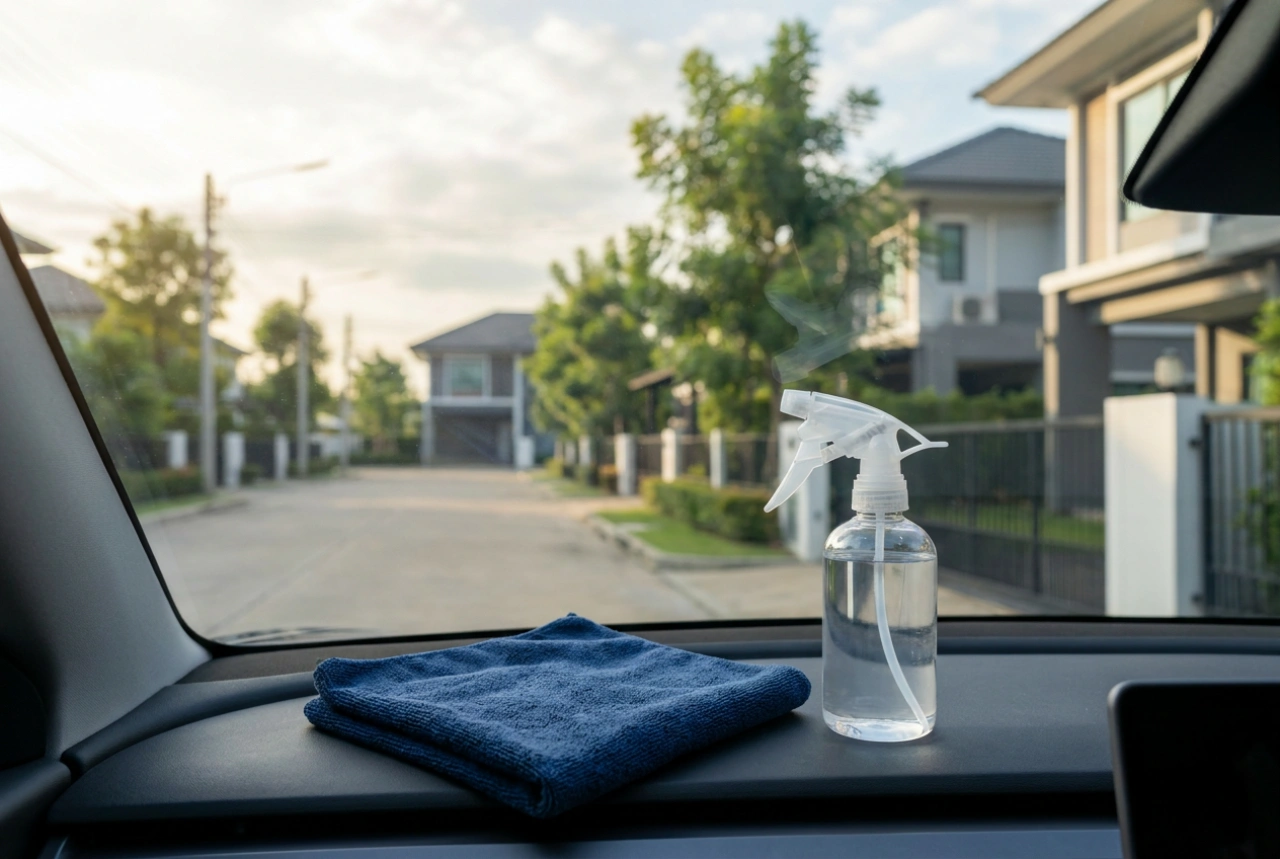
The interior walls of most beverage coolers are made of thermoformed plastics, which can be easily scratched by abrasive sponges or degraded by harsh chemical solvents like acetone or strong bleach. To dissolve the hardened juice safely, use a solution of warm water (approximately 40°C) mixed with a tablespoon of sodium bicarbonate (baking soda) or a mild dish soap. The heat increases the kinetic energy of the water molecules, rapidly breaking down the sugar crystals, while sodium bicarbonate acts as a gentle buffer that neutralises acidic fruit residues. Apply the solution using a soft microfiber cloth. For stubborn, dried pools of juice, do not scrub forcefully; instead, saturate the cloth in the warm solution and drape it over the sticky area for three to five minutes to rehydrate and soften the sugars before wiping them away clean.
Addressing the Door Gasket and Crevices
One of the most critical yet overlooked areas is the magnetic door gasket. Capillary action often draws spilled liquid deep into the folds of the rubber or silicone seal. If left untreated, the sugar will cause the gasket to stick to the fridge frame, tearing the material upon opening and breaking the airtight seal. Furthermore, the dark, moist folds of the gasket are highly susceptible to black mold. To clean this area, use a soft toothbrush dipped in a mild solution of warm water and white vinegar (a weak acetic acid that kills mold spores without degrading the elastomer of the gasket). Gently pull back the folds, brush away any residue, and wipe dry with a clean cloth. Never use petroleum-based lubricants or harsh chlorine detergents on rubber seals, as they can cause the material to become brittle and crack.
Final Drying and Odour Prevention
Moisture is the primary catalyst for microbial growth. After removing all traces of juice, wipe down every surface with a dry microfiber cloth to ensure no standing water remains in the corners or shelf tracks. Leave the fridge door open for at least thirty minutes to allow residual ambient moisture to evaporate completely. To neutralise any lingering fruit odours, place a small, shallow container filled with active carbon or dry sodium bicarbonate inside the fridge before plugging it back in and restocking. This ensures a clean, scent-free environment that preserves the quality of your stored beverages.