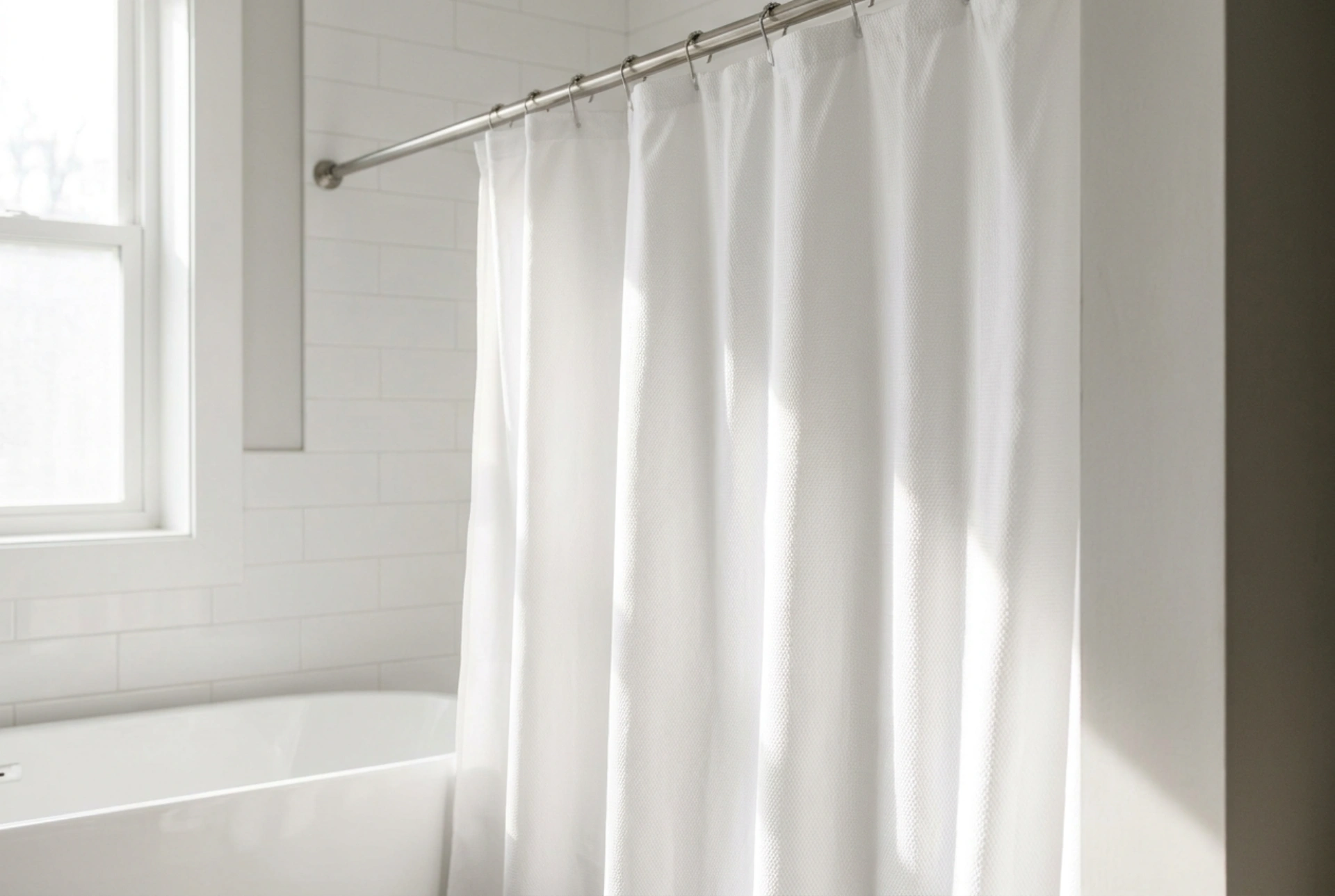


To maintain a hygienic bathroom, you must properly secure and regularly sanitise both your shower curtain and its supporting rod. Understanding the mechanics of tension-based mounting and the chemical interactions that prevent mould growth on textiles ensures a durable, moisture-resistant setup.
The Physics of Installing a Tension Rod
Most modern bathrooms utilise spring-loaded tension rods because they require no drilling into delicate ceramic tiles. These rods rely on physical friction to remain in place. The holding force is determined by the coefficient of friction between the rubber end caps and the wall surface, multiplied by the normal force exerted by the internal spring.
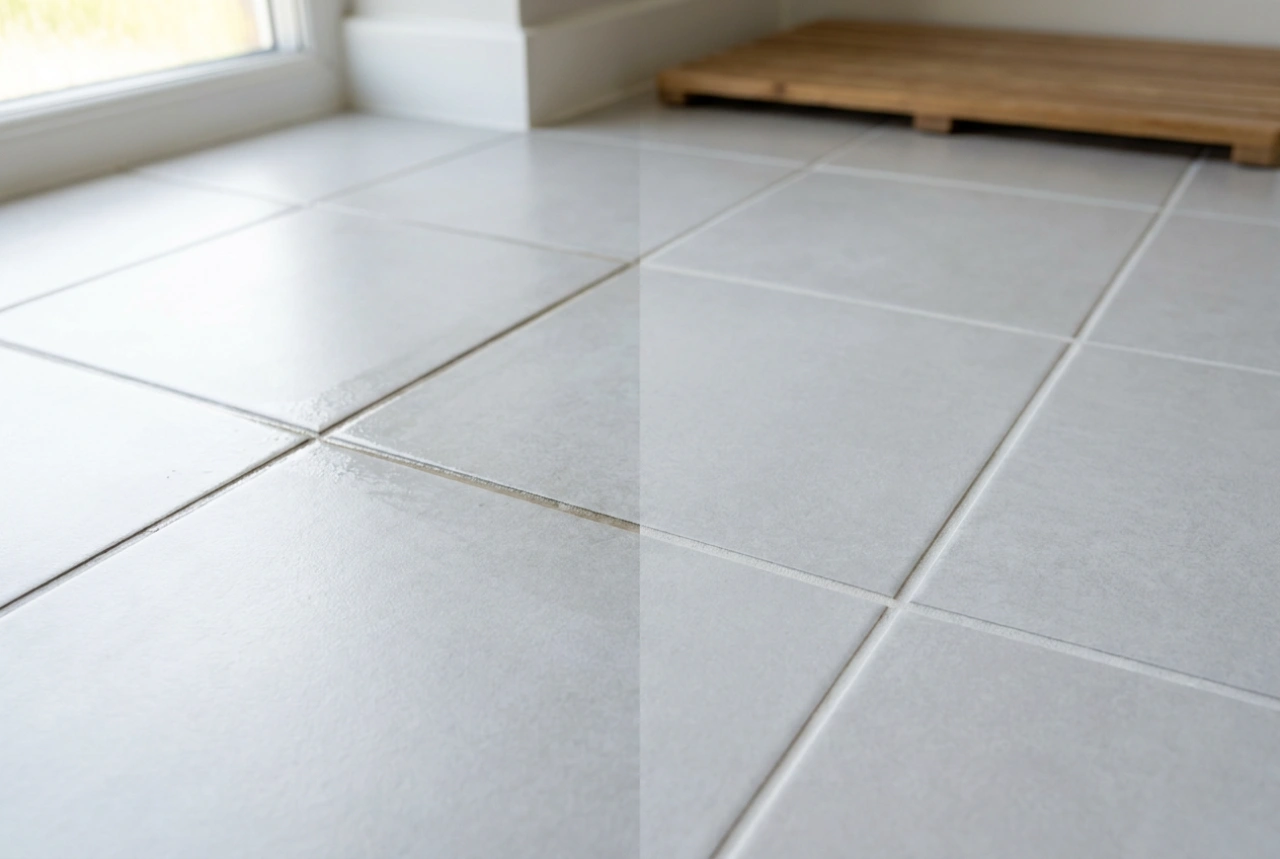
To install a tension rod correctly, adjust its length to be approximately two to three centimetres longer than the actual distance between the walls. Compress the internal spring manually and position the rod at your desired height, then release it. The compressed spring will exert continuous outward pressure, creating the necessary normal force to prevent slipping. For maximum stability, ensure the wall tiles are completely clean and free of soap scum residue before installation, as grease drastically reduces friction.
Managing the Shower Curtain Effect
When choosing a curtain, material science plays a significant role in its behaviour. Lightweight polymer curtains (such as PEVA or EVA) and woven polyester are the standard choices. However, they are highly susceptible to the "shower curtain effect" – a phenomenon explained by Bernoulli's principle and the chimney effect. As warm water flows, it heats the air inside the shower, causing it to rise. This creates a low-pressure zone that draws the lightweight curtain inward, towards your body.
To counteract this physical reaction, select curtains with weighted hems or integrated heavy-duty magnets along the bottom edge. The added mass increases gravitational pull, resisting the pressure differential. Additionally, ensure the curtain hangs at least ten centimetres below the rim of the bathtub to block airflow and prevent water from escaping onto the bathroom floor.
Chemical Cleaning and Biofilm Removal
Over time, shower curtains accumulate soap scum (calcium and magnesium salts of fatty acids) and organic biofilms, which serve as breeding grounds for mould. To clean the curtain without damaging its hydrophobic coating, you must use targeted chemical solutions.
- Acidic Pre-treatment: Spray the lower edge of the curtain with a diluted solution of citric acid to dissolve mineral deposits and soap scum. Let it sit for ten minutes to break down the crystalline structures.
- Mechanical Agitation: Wash polyester curtains in a washing machine at 30 degrees Celsius. Add two clean, light-coloured bath towels to the drum. The texture of the towels provides gentle friction, scrubbing away loosened biofilm without tearing the curtain.
- Oxygen-Based Bleaching: Avoid harsh chlorine bleach, which can yellow white fabrics and degrade synthetic polymers. Instead, add sodium percarbonate (oxygen bleach) to the wash cycle. This compound releases active oxygen, which oxidises organic pigments and sanitises the material safely.
Maintaining the Shower Rod and Rings
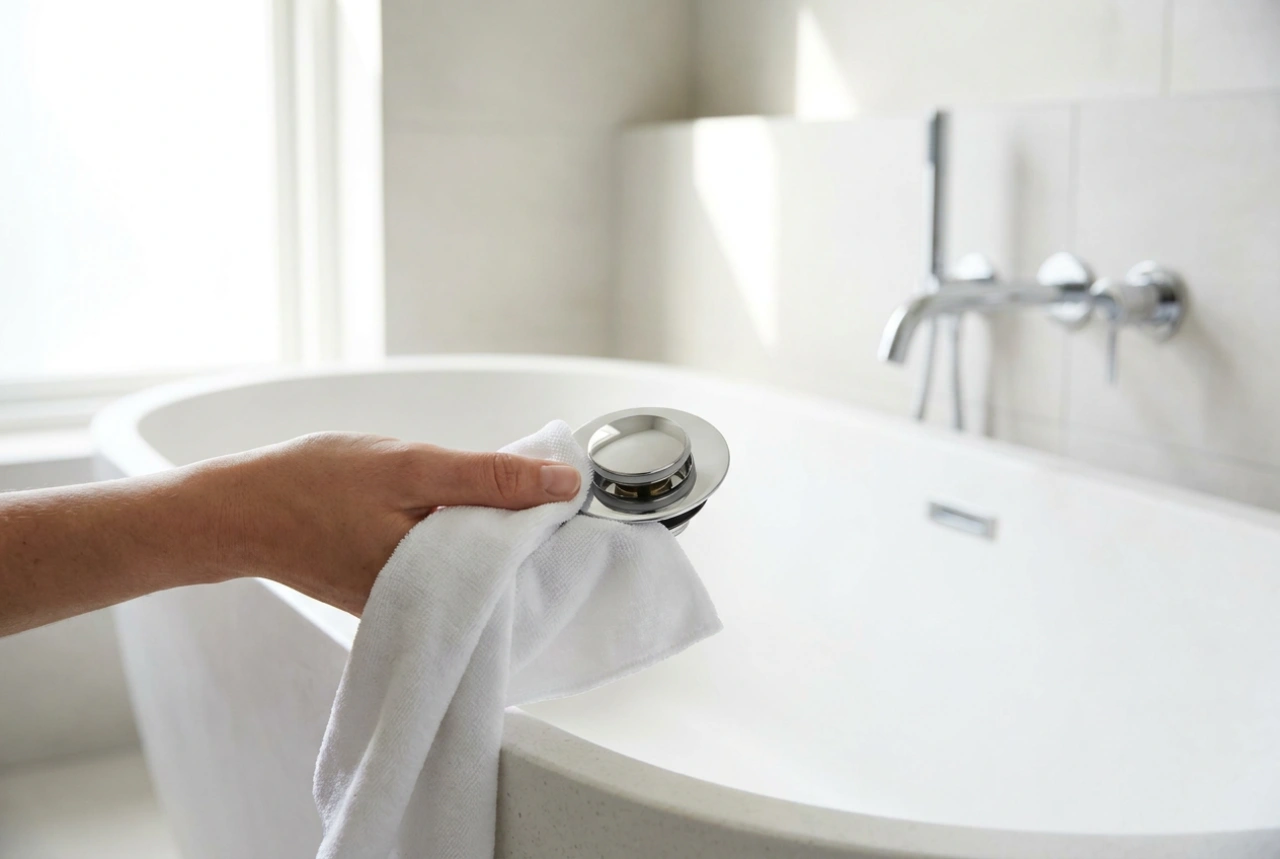
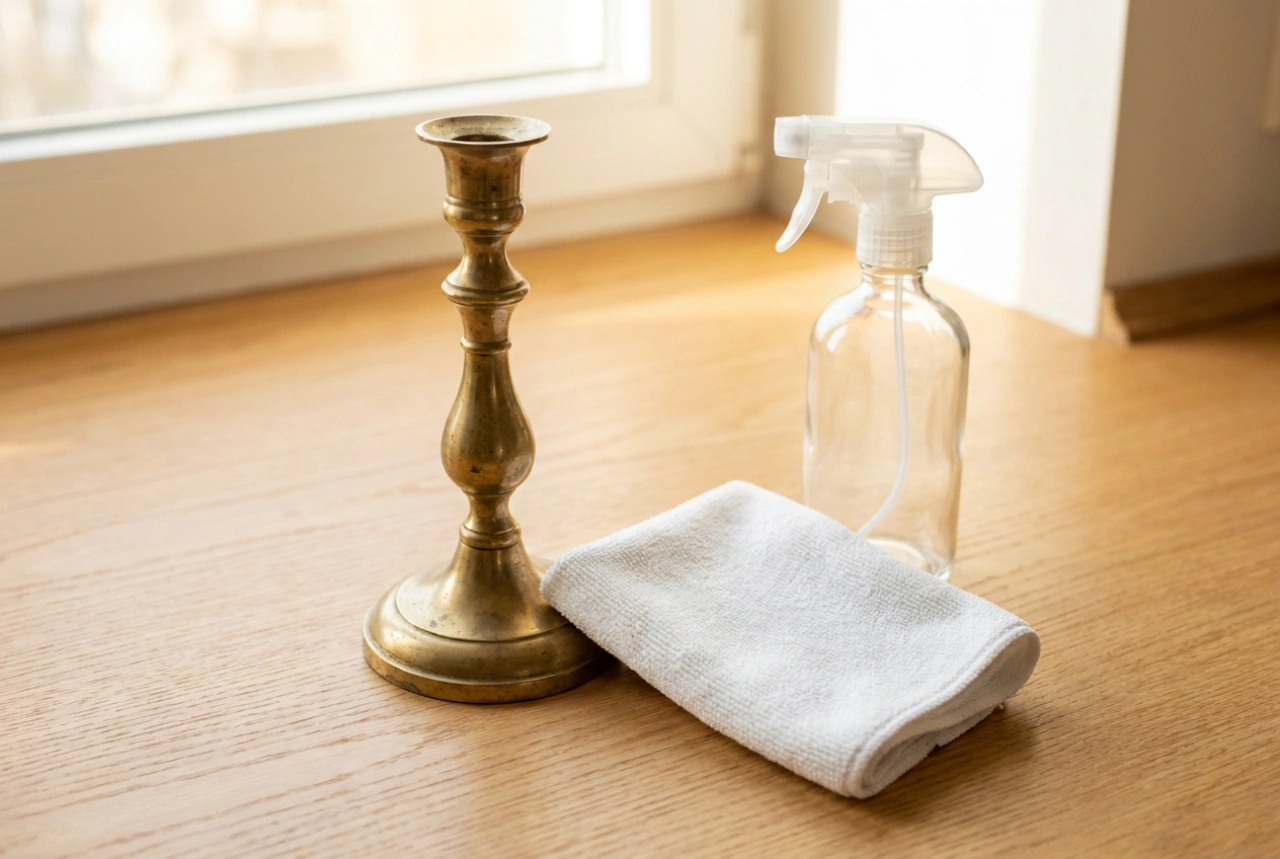
The shower rod is constantly exposed to rising steam, which can lead to pitting corrosion, even on treated metals. Wipe the rod weekly with a dry microfibre cloth to remove accumulated moisture and salt deposits from tap water. If the metal starts to feel sticky, clean it using a mild surfactant solution, such as a drop of neutral dishwashing liquid diluted in warm water, then dry it thoroughly. Ensure the hanging rings glide smoothly to prevent excessive lateral shear force on the tension mounts, which could cause the rod to fall.