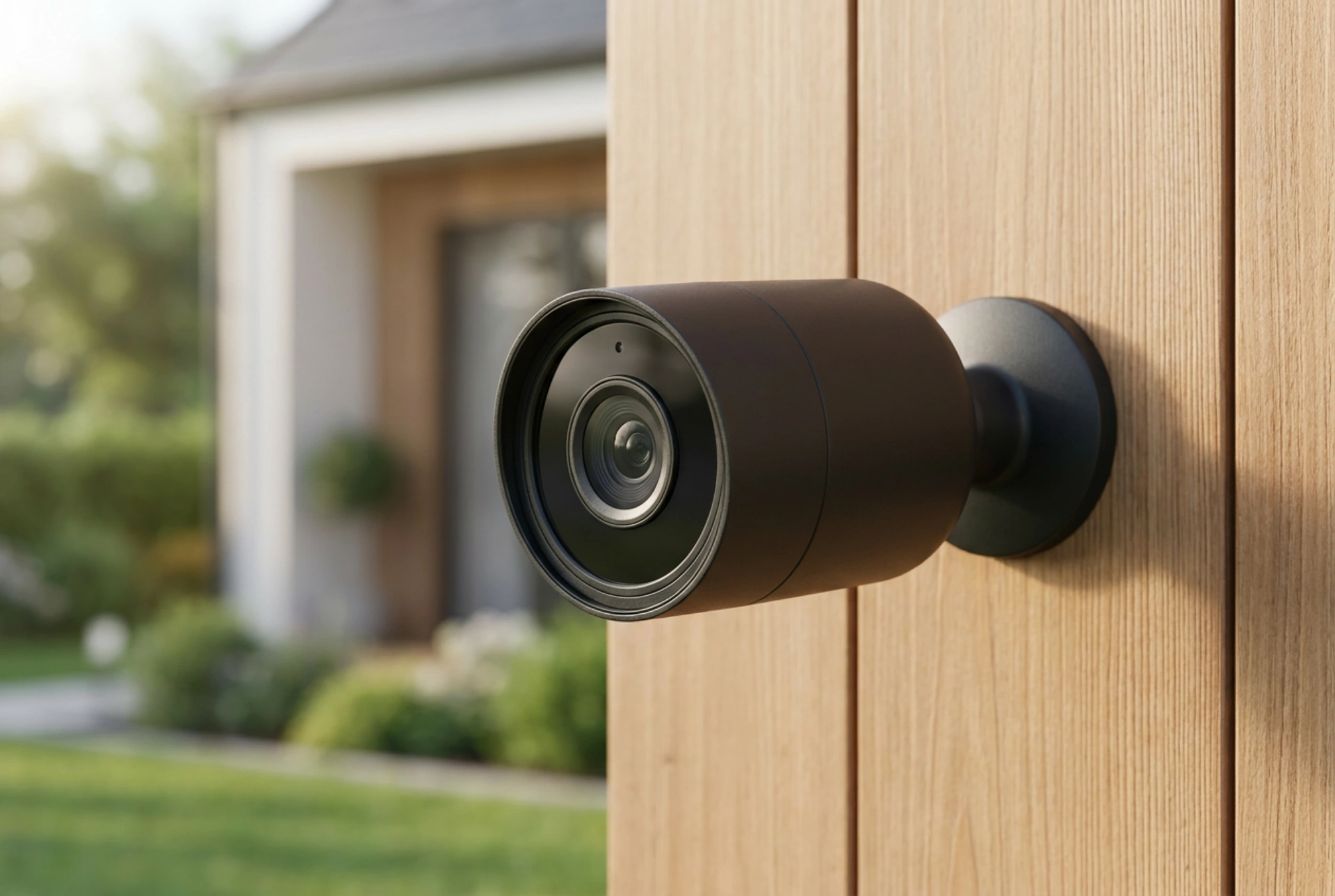


Maintaining a self-powered wireless outdoor camera is essential for ensuring uninterrupted home security and extending the lifetime of delicate optical and electronic components. By understanding the physics of battery preservation, optical coatings, and environmental seals, you can prevent common failures caused by weathering and neglect.
Preserving Optical Clarity and Lens Coatings
The lens of an outdoor camera is its most critical component, yet it is constantly exposed to dust, pollen, organic oils, and mineral deposits from rainwater. Over time, these contaminants scatter light, leading to lens flare and degraded night-vision performance when infrared LEDs reflect off surface dirt. Cleaning the lens requires a systematic approach to avoid scratching the delicate anti-reflective or hydrophobic coatings applied to the glass or polycarbonate surface.
Never wipe a dry lens with a dry cloth, as microscopic grit will act as an abrasive, causing micro-scratches. Begin by using a manual rubber air blower to dislodge loose particles. Next, apply a small amount of distilled water or a dedicated optical cleaning solution containing a mild surfactant to a clean, high-density microfiber cloth. Wipe gently in a concentric, spiral motion from the centre outwards. Avoid using harsh chemical solvents like acetone or high-concentration ethyl alcohols, which can dissolve plastic housings and strip protective oleophobic coatings permanently.
Maximising Photovoltaic and Battery Efficiency
Self-powered wireless cameras rely on lithium-based batteries, often coupled with small photovoltaic (solar) panels. Understanding the thermodynamics of these systems is key to ensuring continuous operation throughout the year, especially during seasonal transitions.
- Solar Panel Maintenance: Microscopic layers of dust, pollen, and bird droppings act as physical barriers to photons. Even partial shading on a solar panel can reduce its electrical output by up to 50% due to the serial configuration of the photovoltaic cells. Clean the panel surface quarterly using warm distilled water and a soft squeegee. Do not use hard water, as calcium and magnesium deposits will create a cloudy film.
- Temperature Management: Lithium-ion batteries experience increased internal resistance in cold climates. At sub-zero temperatures, the chemical reaction slows down, temporarily reducing usable capacity. Conversely, charging a lithium-based battery below 0°C can cause metallic lithium plating on the anode, permanently damaging the cell. Position the camera where it can benefit from passive thermal absorption (such as close to a wall that retains daytime heat) while ensuring the solar panel receives optimal winter solar irradiance.
Safeguarding Ingress Protection and Preventing Condensation
Outdoor cameras feature Ingress Protection (IP) ratings, which rely on precise silicone or rubber gaskets to prevent water and dust entry. However, daily temperature fluctuations cause air inside the camera housing to expand and contract, creating a pressure differential that can draw in humid air through microscopic gaps.
Regularly inspect all rubber seals, particularly around the charging port cover and mounting brackets. Ensure these seals remain supple and free of grit. Microscopic debris trapped under a rubber flap acts as a capillary bridge, drawing moisture into the electronic chamber. If the camera lens fogs up from the inside, the internal relative humidity has crossed the dew point. If the housing is openable, placing a tiny, fresh silica gel packet inside the battery compartment can absorb residual moisture, while ensuring the external housing screws are torqued evenly to maintain uniform pressure across all gaskets.
Preventing Mechanical Fatigue and Galvanic Corrosion
Wind loading exerts continuous vibrational force on the camera and its mounting bracket. Over time, these micro-vibrations can loosen mounting screws, leading to camera drift or physical failure. Additionally, mounting hardware is susceptible to galvanic corrosion—a process where two dissimilar metals in contact degrade rapidly in the presence of an electrolyte like rainwater.
When mounting to wooden or brick surfaces, always use high-grade stainless steel or powder-coated screws. If the mounting bracket is aluminium, avoid using untreated carbon steel screws; instead, insert non-conductive nylon washers between the bracket and the screw head to break the galvanic circuit. Periodically check the torque of the mounting arm and the orientation lock to ensure wind resistance remains high.