

Using extension leads is a common solution for powering multiple appliances in modern homes, but improper usage can lead to severe safety hazards due to thermal and electrical physics. Understanding how current, resistance, and heat dissipation interact is key to keeping your household electrical systems running safely.
The Science of Joule Heating and Electrical Resistance
Every electrical cable contains copper conductors that possess a small but significant amount of natural electrical resistance. When electrical current passes through these conductors, some of the electrical energy is converted into heat. This phenomenon is known as Joule heating. The rate of heat production is directly proportional to the square of the current multiplied by the electrical resistance of the wire.
If you connect high-draw appliances—such as electric kettles, fan heaters, or washing machines—to an extension lead that is not rated for high current, the copper wires inside the cable will rapidly heat up. If the heat generated exceeds the thermal limits of the PVC insulation wrapping the wires, the plastic can melt, exposing bare copper, causing short circuits, or even sparking a fire. To prevent this, always check the cross-sectional area of the cable (typically measured in square millimetres) and ensure the total wattage of all connected devices does not exceed the maximum power rating of the extension lead, which in the UK is generally 3,120 watts (13 amps at 240 volts).
The Coiled Cable Trap: Thermal Dissipation
One of the most dangerous mistakes is using a drum-type extension reel without fully unwinding the cable. When a cable is tightly coiled around a plastic core, the heat generated by the copper conductors has nowhere to escape. Instead of dissipating into the surrounding air, the heat accumulates inside the layers of wound cable.
As the temperature rises, the electrical resistance of the copper increases even further, which in turn generates even more heat—a dangerous positive feedback loop. A cable rated for 13 amps when fully uncoiled can typically only handle around 5 amps when tightly coiled. Always unwind the entire length of an extension reel, even if you only need to bridge a distance of one metre, to allow convective cooling to keep the cable at a safe ambient temperature.
Distinguishing Between Resistive and Inductive Loads
Not all household appliances draw electricity in the same manner. It is crucial to distinguish between resistive loads and inductive loads when managing extension leads. Resistive loads, such as toasters, hair dryers, and space heaters, convert electrical energy directly into thermal energy and draw a constant, stable current. Inductive loads, which power appliances with electric motors like refrigerators, vacuum cleaners, and air conditioners, require a massive surge of current (inrush current) to start up.
An extension lead might easily handle the running current of a refrigerator, but the initial startup surge can temporarily overload the lead, causing voltage drops and thermal stress. For this reason, heavy-duty appliances with motors or high-power heating elements should always be plugged directly into dedicated wall sockets rather than shared extension strips.
Safe Positioning and Environmental Management
Where you place your extension leads matters just as much as how much power you plug into them. Cables must never be routed under carpets or rugs. Fabric acts as a thermal insulator, trapping the natural heat produced by the flowing current and preventing air circulation, which can lead to localized overheating.
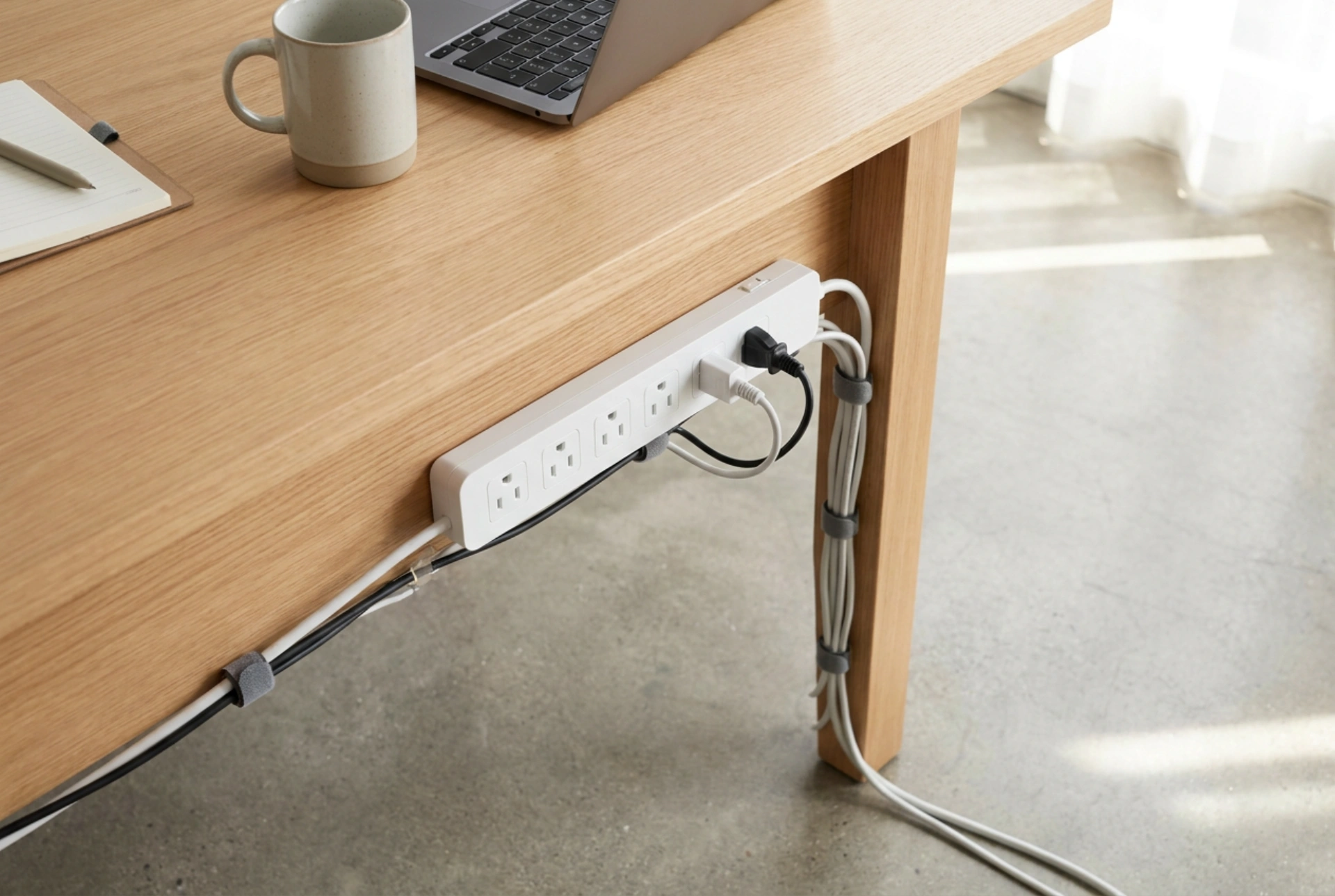
Additionally, physical protection is essential to preserve the integrity of the cable's insulation. Avoid running cables through doorways where they can be pinched by the door frame, or across high-traffic walkways where they can be stepped on, crushing the delicate copper strands inside. Over time, physical stress breaks down the individual copper wire strands, reducing the effective thickness of the conductor, increasing localized resistance, and creating hazardous hot spots.