

Vintage filmstrip projectors bring a unique, nostalgic warmth to storytime, but operating these delicate mechanical devices requires a firm understanding of thermodynamics, mechanical tension, and polymer preservation. Proper handling prevents thermal damage to sensitive acetate film and ensures the safe, long-term operation of the projector's electrical and optical systems.
The Thermal Challenge: Managing Heat and Light
Vintage projectors rely on high-wattage incandescent or halogen lamps to project a bright image. These lamps convert only a small fraction of electrical energy into visible light, while the rest is dissipated as intense infrared radiation (heat). Cellulose acetate, the standard base material for historic filmstrips, is highly sensitive to temperature. If a single frame remains static under a hot bulb for too long, it can reach its glass transition temperature, causing the film to warp, blister, or melt entirely.
To mitigate thermal risks, always verify that the cooling fan—if your model has one—is fully functional and running at maximum speed before loading film. Never block the intake or exhaust vents of the projector housing. If you are using a purely manual, fanless projector, limit the projection time per frame to under thirty seconds. A highly effective modern upgrade is replacing the original high-thermal incandescent bulb with a low-heat, high-output LED retrofit. Ensure the replacement bulb matches the exact voltage, base socket, and optical alignment of the original to maintain sharp focus without generating destructive heat levels.
Mechanical Precision: Film Feeding and Gate Maintenance
The mechanical path of a filmstrip projector consists of a feed spindle, a gate, sprocket wheels, and a take-up mechanism. Physical damage to filmstrips almost always occurs due to improper feeding or tension imbalances. Before loading any film, inspect the sprocket holes along the edges. Torn or stretched perforations will fail to engage with the sprocket teeth, leading to physical jams and potential heat damage as the film stalls under the lamp.
To load the film safely, follow a strict sequence of operations. Open the film gate and use a dry, soft-bristled brush or a manual air blower to remove any dust, grit, or emulsion flakes. Accumulated debris acts as an abrasive, scratching the delicate emulsion layer as the film slides through. Align the film perforations precisely with the teeth of the drive sprocket, close the pressure plate gently, and advance the mechanism manually by turning the feed knob. If you feel any resistance, stop immediately. Never force the advancement mechanism; instead, open the gate, realign the film, and check for obstructions.
Chemical Care: Cleaning and Preserving Vintage Filmstrips
Cellulose acetate film degrades over time through a process called hydrolysis, commonly known as vinegar syndrome. When exposed to moisture and heat, the acetate molecules break down, releasing acetic acid, which smells strongly of vinegar and causes the film to become brittle, shrink, and warp. Once this process begins, it cannot be reversed, but it can be significantly slowed.
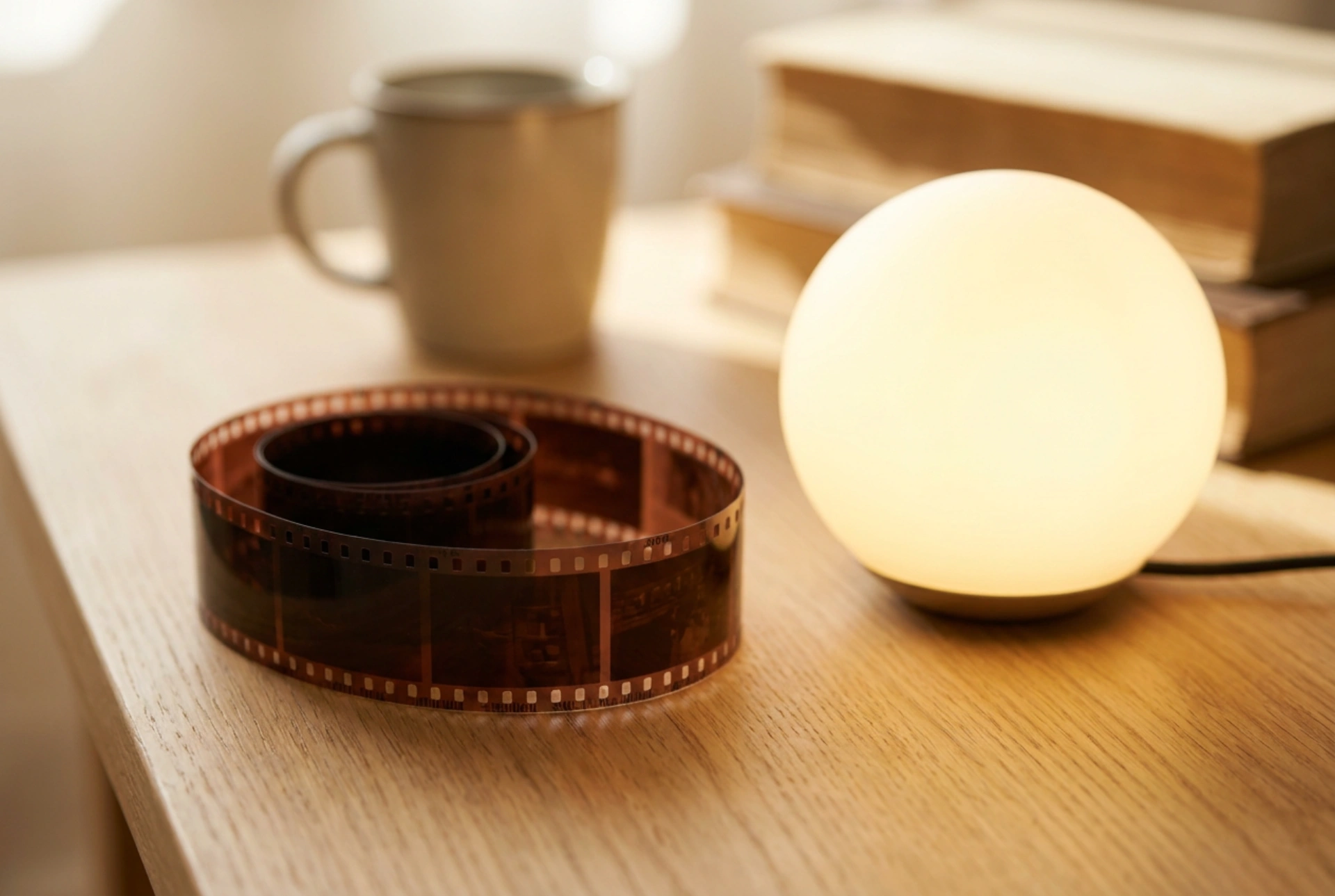
To clean dirty filmstrips, avoid water-based cleaners, which can soften and dissolve the gelatin emulsion layer holding the image. Instead, use high-purity isopropyl alcohol (99%) and a clean, lint-free microfiber cloth. Moisten the cloth slightly and wipe the film gently in a single direction along its length, avoiding any circular or scrubbing motions. For storage, keep the filmstrips in a cool, dry environment with a relative humidity between 30% and 50%. Store them in vented plastic containers rather than airtight metal cans, as allowing the acidic gases to escape prevents the degradation process from accelerating.
Electrical and Structural Safety Checklist
Before plugging in any vintage appliance, a thorough inspection of the physical chassis and electrical components is essential for safety. Over decades, rubber power cords can become brittle and crack, exposing live wires. Inspect the entire length of the cable and the plug casing for signs of degradation. Ensure the projector is positioned on a flat, solid, non-flammable surface such as a wooden table. Placing a hot projector on a thick tablecloth, carpet, or bedding restricts air circulation through the bottom cooling vents, creating a severe fire hazard. By maintaining a clean optical path, managing thermal output, and handling the physical medium with precision, you can preserve both the vintage hardware and the historical filmstrips for generations.