

Selecting the correct wall TV mount requires a solid understanding of physics, material science, and mechanical interface standards to ensure structural safety. Comparing your options before drilling into the wall prevents costly structural failures and guarantees optimal viewing angles.
1. The Geometry of Compatibility: VESA Standards
The first step in comparing TV mounts is evaluating the VESA (Video Electronics Standards Association) pattern. This standardized system defines the distance between the four mounting holes on the back of your television in millimeters (horizontal x vertical). To determine compatibility, measure these distances on your screen and compare them to the specifications of the bracket.
A high-quality mount often features a universal interface plate with multiple slotted holes to accommodate various VESA patterns, such as 200x200 mm or 400x400 mm. Avoid brackets that force the mounting screws into awkward angles; the screws must thread perfectly perpendicular to the back of the television to distribute the load evenly across the internal metal chassis of the screen.
2. Physics of Torque and Load Distribution
Every TV mount acts as a lever system, and understanding the mechanical forces at play is vital. When comparing mounts, you must evaluate how they distribute weight, which depends heavily on their structural design:
- Fixed Mounts: These hold the television close to the wall, minimizing the lever arm. The force exerted on the wall anchors is almost purely shear force (downward pull), which is easily handled by most solid wall structures.
- Tilting Mounts: By introducing a vertical pivot point, these mounts allow you to tilt the screen downward. This shifts the center of gravity slightly forward, introducing a small tensile (pull-out) force on the top wall anchors.
- Full-Motion (Articulating) Mounts: These feature extending arms that allow horizontal and vertical rotation. When fully extended, the lever arm is maximized. According to the law of torque (force multiplied by distance), an extending arm vastly increases the tensile force pulling the top anchors out of the wall. Ensure the wall-plate footprint of an articulating mount is wide enough to distribute this tension over a larger surface area.
3. Metallurgy and Structural Integrity
The material composition of the bracket determines its resistance to bending and fatigue. Heavy-gauge cold-rolled steel is the industry standard for high-capacity mounts, offering excellent yield strength. Some modern designs use aluminum alloys, which reduce the dead weight of the bracket itself while maintaining structural rigidity.
Examine the joints and weld points of the bracket. Continuous, clean welds indicate superior manufacturing, whereas patchy or porous welds represent weak points prone to stress cracking. Additionally, look for a durable powder-coated finish; this protects the raw metal from ambient humidity and oxidative corrosion, which can degrade the integrity of the joints over time.
4. Adjustability and Friction Management
A critical factor in comparing moving mounts is the quality of the pivot joints. Premium articulating brackets utilize nylon or polymer bushings within the metal joints to facilitate smooth rotation without metal-on-metal grinding. Look for mounts with adjustable tension screws. These allow you to calibrate the resistance of the joints based on the exact weight of your television, preventing the screen from drifting out of position while still allowing manual adjustment without tools.
5. Pre-Installation Verification Checklist
Before proceeding with the physical installation, conduct a final mechanical audit of your chosen mount:
- Weight Capacity: Verify that the television weight is at least 20% below the maximum rated capacity of the bracket to provide a safety margin for dynamic forces.
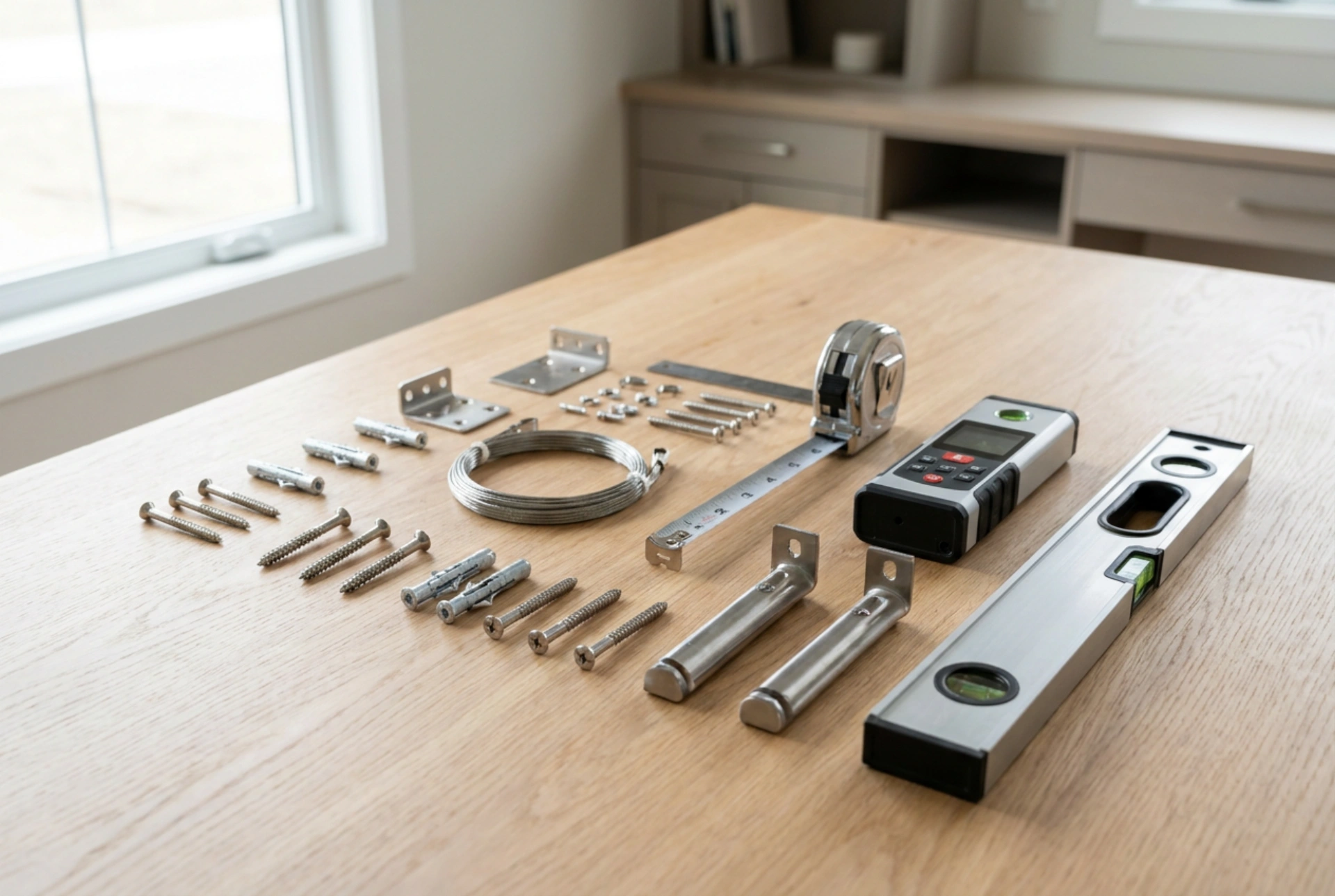
- Wall Type Alignment: Ensure the mounting hardware provided is compatible with your wall structure (e.g., specific lag bolts for wooden studs or heavy-duty anchors for solid concrete). Never use drywall anchors for TV brackets.
- Leveling Tolerances: Opt for brackets that allow post-installation leveling adjustments, which let you fine-tune the horizontal plane by a few degrees even after the wall anchors are secured.