

Active Noise Cancellation (ANC) relies on the physics of destructive interference to neutralise ambient sound, but achieving optimal silence requires a combination of acoustic seals and correct calibration. Understanding how to position, clean, and configure your headphones ensures you get the maximum noise reduction and audio fidelity.
The Physics Behind Sound Wave Cancellation
To use active noise cancellation effectively, it helps to understand the physical mechanism at play. ANC headphones contain miniature external-facing microphones that constantly monitor ambient acoustic waves. When a sound wave enters the microphone, the headphone's internal processor analyses its frequency and amplitude. It then instantly generates a secondary sound wave that is exactly 180 degrees out of phase with the original noise—a mirror image known as an anti-phase wave.
When these two waves collide in your ear canal, they undergo destructive interference, effectively flattening the wave energy and rendering the sound silent to your eardrums. Because this digital calculation takes a fraction of a millisecond, the system works exceptionally well against continuous, predictable, low-frequency noises like the hum of an air conditioner or a refrigerator. High-frequency, erratic sounds like human speech or sudden clatter are harder for the algorithm to predict, meaning physical isolation must do the heavy lifting here.
Achieving a Perfect Acoustic Seal
No active cancellation algorithm can compensate for a poor physical fit. Passive noise isolation—the mechanical blockage of sound waves by the ear cups or tips—is the foundation upon which ANC operates. If ambient air can bypass the headphone cushion, high-frequency noises will leak in, causing the ANC processor to overcompensate and produce an unpleasant high-frequency hiss or "cabin pressure" sensation.
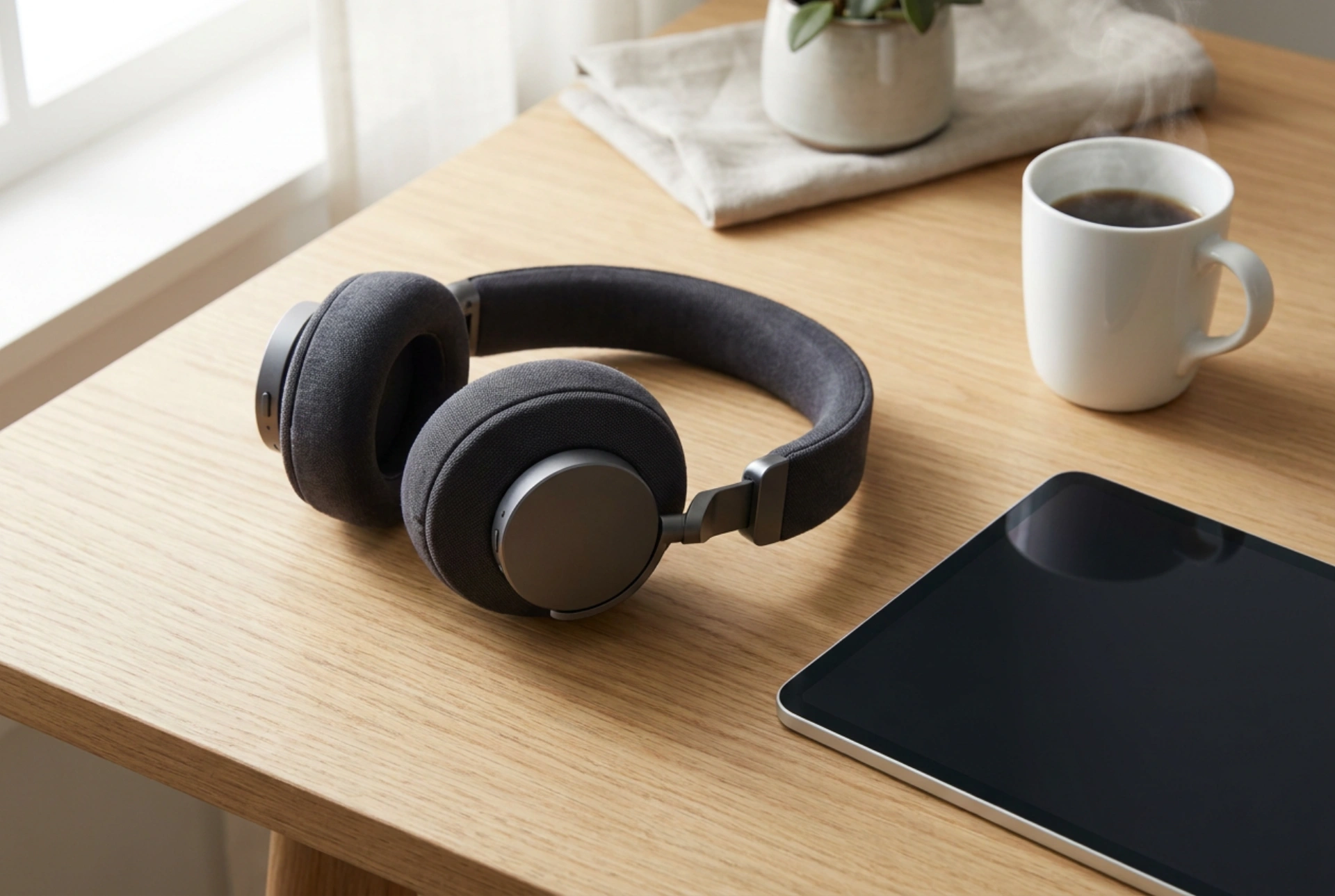
- For Over-Ear Headphones: Ensure the ear cushions fully encircle your ears without resting on the cartilage. The headband tension should apply even lateral pressure. If you wear glasses, the frames can break the seal; opt for thin, flat temples or memory foam cushions that conform around the frame to maintain an airtight barrier.
- For In-Ear Monitors: Experiment with all provided ear-tip sizes. Silicone tips offer durability and a clean seal, while memory foam tips expand to fill the unique contours of your ear canal, providing superior passive isolation and a more stable anchor for the ANC microphones.
Calibrating Modes and Managing Wind Turbulence
Most modern headphones feature variable ANC profiles. To maximise performance, match the mode to your current environment. Standard ANC is designed for stationary indoor use, while outdoor or travel modes adjust the algorithm to handle sudden pressure shifts. Many systems also include a transparency mode, which reverses the process by piping external microphone feeds directly into your drivers, allowing you to hear your surroundings without removing the device.
Wind is a major challenge for ANC microphones. When air rushes over the external mic ports, it creates high-frequency turbulence that the processor misinterprets as ambient noise, resulting in a loud rushing sound in your ears. If you are outdoors in windy conditions, switch your settings to a dedicated "wind reduction" mode. This setting typically deactivates the outermost feed-forward microphones, relying solely on internal feedback microphones inside the ear cup to cancel noise without introducing wind-induced distortion.
Maintaining Your Hardware for Peak Performance
Because ANC is entirely dependent on real-time acoustic measurements, any physical obstruction on the microphone grilles will severely degrade performance. Dust, skin oils, and lint can accumulate over these tiny ports, leading to muffled audio, unequal cancellation between the left and right ears, or a high-pitched feedback squeal.
Regularly inspect the tiny mesh grilles on the exterior and interior of the ear cups. Clean them using a dry, soft-bristled brush or a wooden toothpick to gently dislodge debris. Avoid using liquids directly on the grilles, as moisture can penetrate the delicate electret or MEMS microphone capsules, permanently disabling the ANC circuit. Storing your headphones in a protective case when not in use prevents lint from settling into these acoustic ports, preserving the accuracy of the wave-cancelling processor.