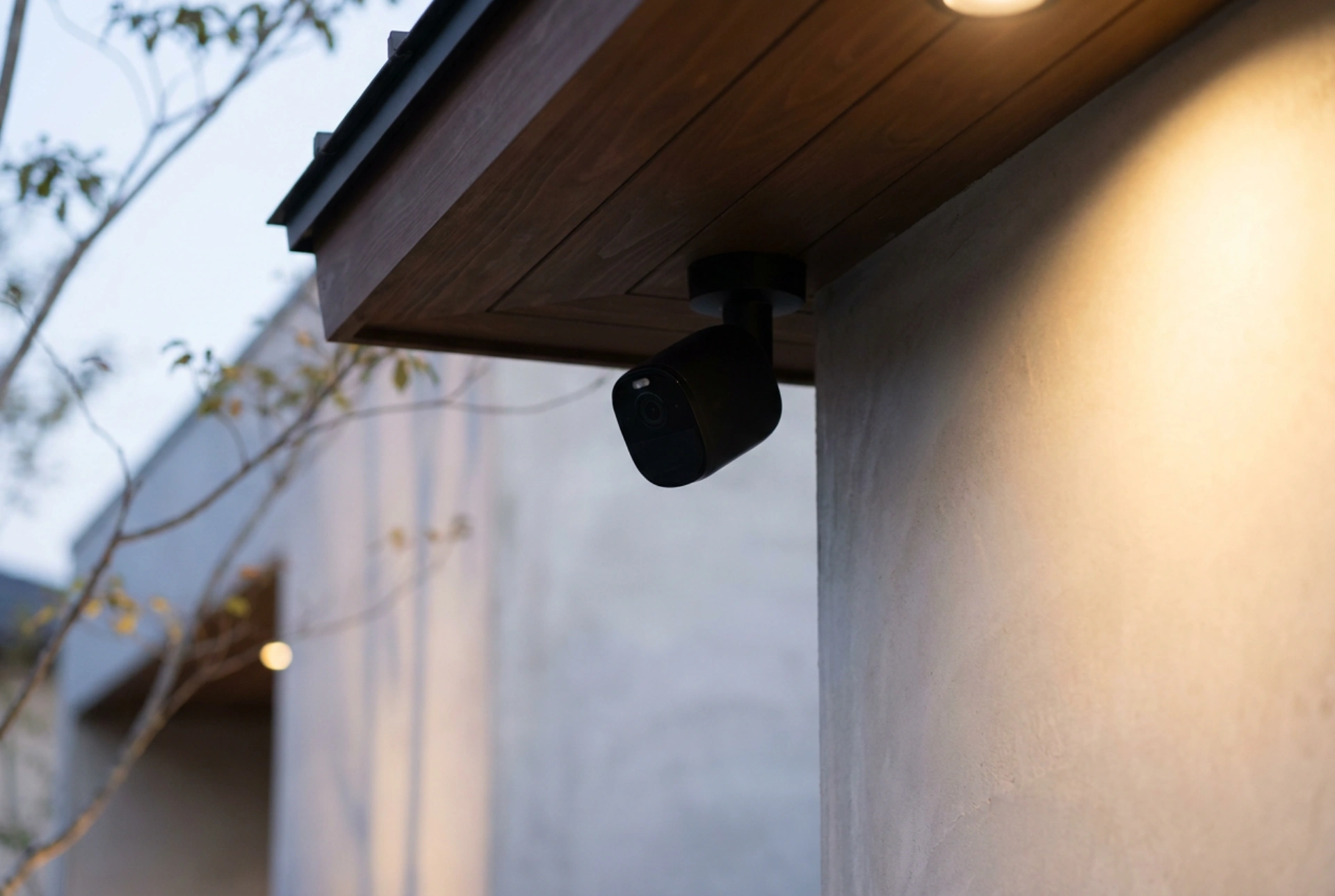


Selecting an outdoor surveillance system requires balancing immediate convenience against long-term data reliability, network bandwidth, and physical security. Opting for a system with a dedicated local recorder—such as a Network Video Recorder (NVR) or Digital Video Recorder (DVR)—remains the standard for properties requiring continuous, uncompromised high-definition monitoring.
Bandwidth Conservation and Network Load Optimization
Modern outdoor security cameras capture high-resolution video, often ranging from 1080p to 4K resolution. Delivering these streams continuously to the cloud demands significant upstream bandwidth. For instance, a single 4K camera streaming at 20 frames per second can consume between 4 to 8 Mbps of upload speed. Multiplying this by several cameras can quickly saturate a standard residential internet connection, leading to packet loss, latency in daily internet use, and degraded video quality.
A dedicated local recorder resolves this by keeping the heavy data traffic off your primary local area network (LAN). Cameras feed directly into the recorder via physical cables or a dedicated subnet. The data is processed and written locally to hard drives, meaning your home internet connection is only accessed when you actively view the live feed remotely. This physical isolation preserves your bandwidth for other domestic devices and ensures consistent recording quality regardless of internet speed fluctuations.
Signal Attenuation and Environmental Interference
Wireless outdoor cameras rely on radiofrequency (RF) signals in the 2.4 GHz or 5 GHz bands to transmit video data. However, exterior residential walls constructed of concrete, solid brick, stucco with metal lathing, or low-emissivity (low-E) glass act as physical barriers that severely attenuate RF signals. Signal degradation leads to dropped frames, pixelation, or complete disconnects precisely when critical events occur.
A wired system utilizing a dedicated recorder bypasses RF limitations entirely. Using Power over Ethernet (PoE) technology, both stable electrical power and high-speed data are carried over a single twisted-pair copper cable (such as Cat6). This physical medium is immune to atmospheric interference, thick structural walls, and wireless jamming attempts, guaranteeing a constant, uncompromised 100% uptime for outdoor monitoring points.
Data Preservation and Surveillance-Grade Storage
Unlike standard desktop computers or cloud-based cameras that record only short, motion-activated clips, a dedicated recorder operates on a continuous 24/7 write cycle. This demanding process requires specific physical media. Standard hard drives utilize Shingled Magnetic Recording (SMR), which slows down significantly during continuous write operations. Surveillance-grade hard drives integrated into NVRs utilize Conventional Magnetic Recording (CMR) and are engineered with specialized firmware to handle continuous, simultaneous write streams from multiple cameras without dropping frames.
By retaining data locally on a physical drive, you eliminate subscription dependencies and protect your footage from external server outages. In the event of an internet service provider blackout, a local recorder continues to function, capturing and securing footage directly to its local disk arrays.
When to Choose a Dedicated Recorder System
- Continuous Recording Requirements: When you need a complete chronological record of events, rather than sporadic, motion-triggered clips that often miss the crucial seconds leading up to an incident.
- Multi-Camera Deployments: If your property layout requires four or more cameras to eliminate blind spots, a centralized recorder is necessary to manage the collective data load efficiently.
- Unreliable Internet Connectivity: For properties located in areas prone to internet dropouts or with limited upload speeds, local recording ensures uninterrupted security monitoring.
- High-Privacy Standards: When you prefer to keep sensitive physical surveillance data strictly within the boundaries of your own property, preventing potential cloud-breach vulnerabilities.