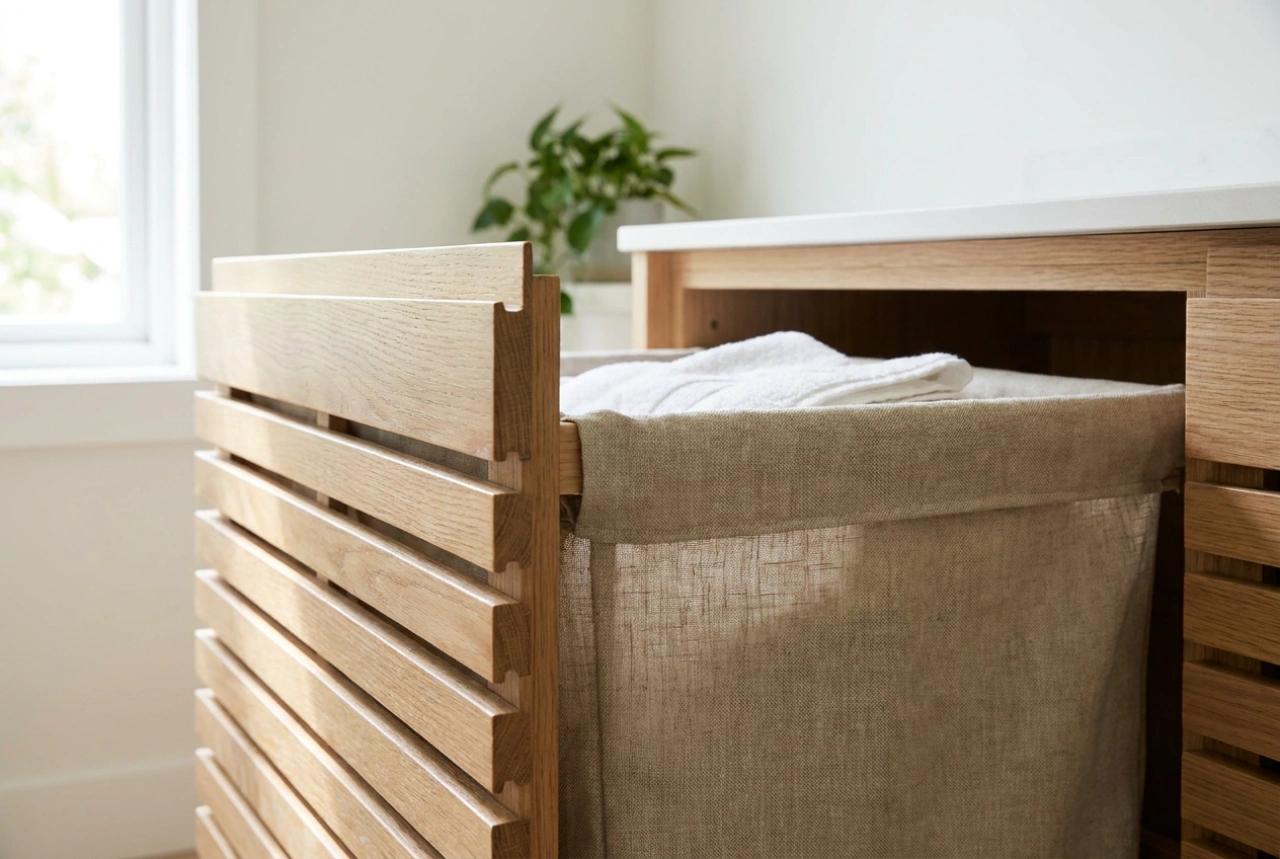


Fabric laundry baskets collect dust, sweat, and bacteria from dirty garments, yet washing them incorrectly can permanently ruin their structure. Understanding the material science behind fabric stiffeners and structural supports is key to cleaning these household items without causing them to collapse or warp.
Why Fabric Laundry Baskets Lose Their Shape
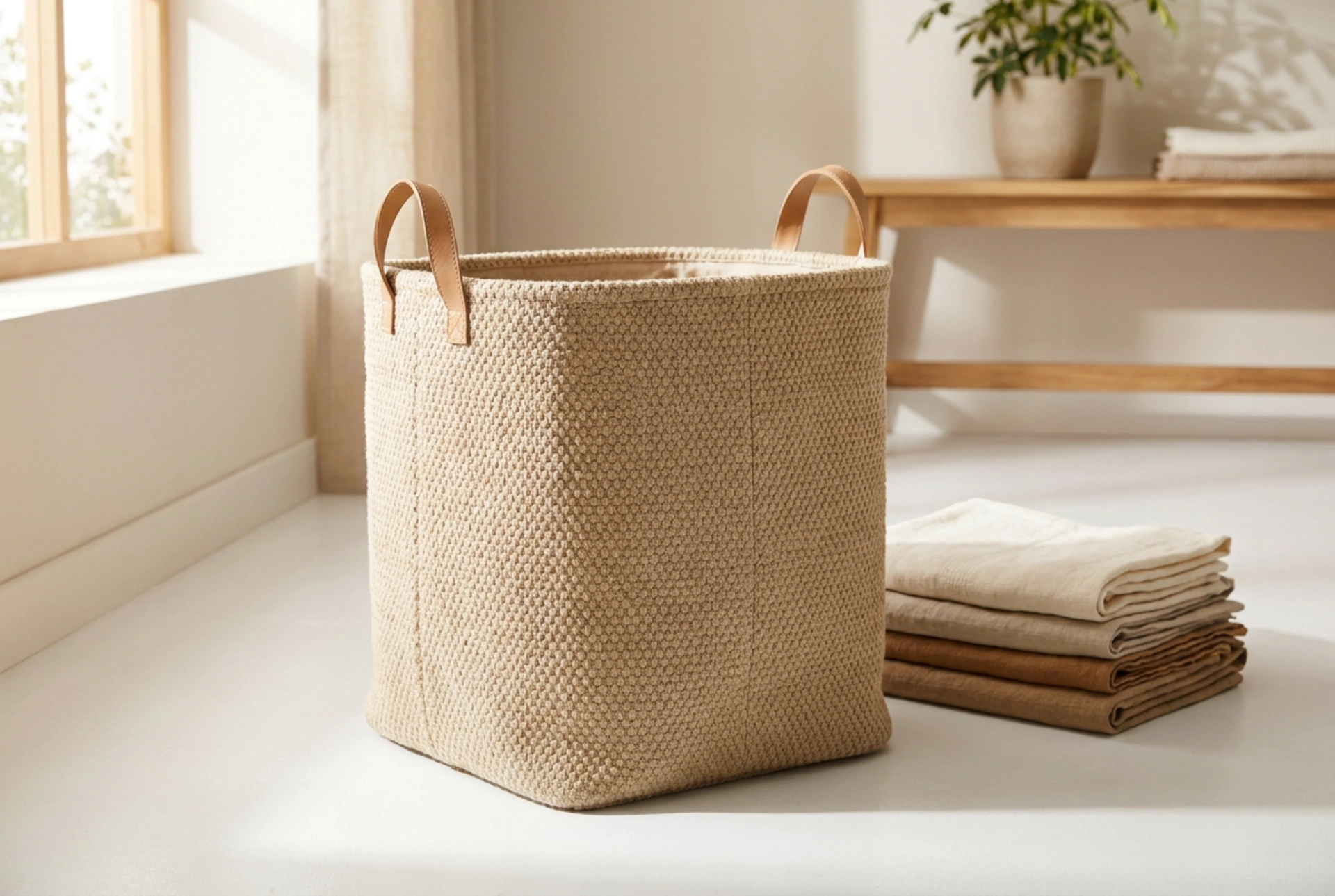
Most structured fabric baskets rely on a combination of material thickness, internal support frames, and chemical stiffening agents to stand upright. Many designs use canvas, polyester, or linen treated with starch, synthetic sizing, or a thin polyethylene coating on the interior. When these materials are saturated with water, the stiffening agents can dissolve or soften, and the fibers swell. If the basket dries without proper tension, the fibers contract unevenly, leading to permanent wrinkles, slouching, or a complete loss of structural integrity.
Determining the Support Structure: Removable vs. Integrated
Before applying any water or detergent, you must identify the basket's internal support system. Baskets typically fall into three categories:
- Removable supports: These include plastic rods or fiberboard panels tucked into velcro or zippered pockets. Always remove these components before cleaning to prevent warping and physical damage to the inserts.
- Integrated wire frames: A coiled metal wire is often sewn directly into the top rim or the entire body. These require careful handling to prevent the metal from bending or puncturing the fabric during washing.
- Chemical/material stiffness: Baskets that stand up solely due to thick, treated fabric like heavy felt or laminated canvas. These are the most sensitive to moisture and mechanical action.
The Wet Cleaning Process: Gentle Surfactants and Low Mechanical Force
Machine washing should generally be avoided unless the care label explicitly permits it. The rotational shear stress and centrifugal force of a washing machine drum can bend internal wires and strip away protective coatings. Instead, opt for manual cleaning using a targeted wet-wiping or immersion technique.
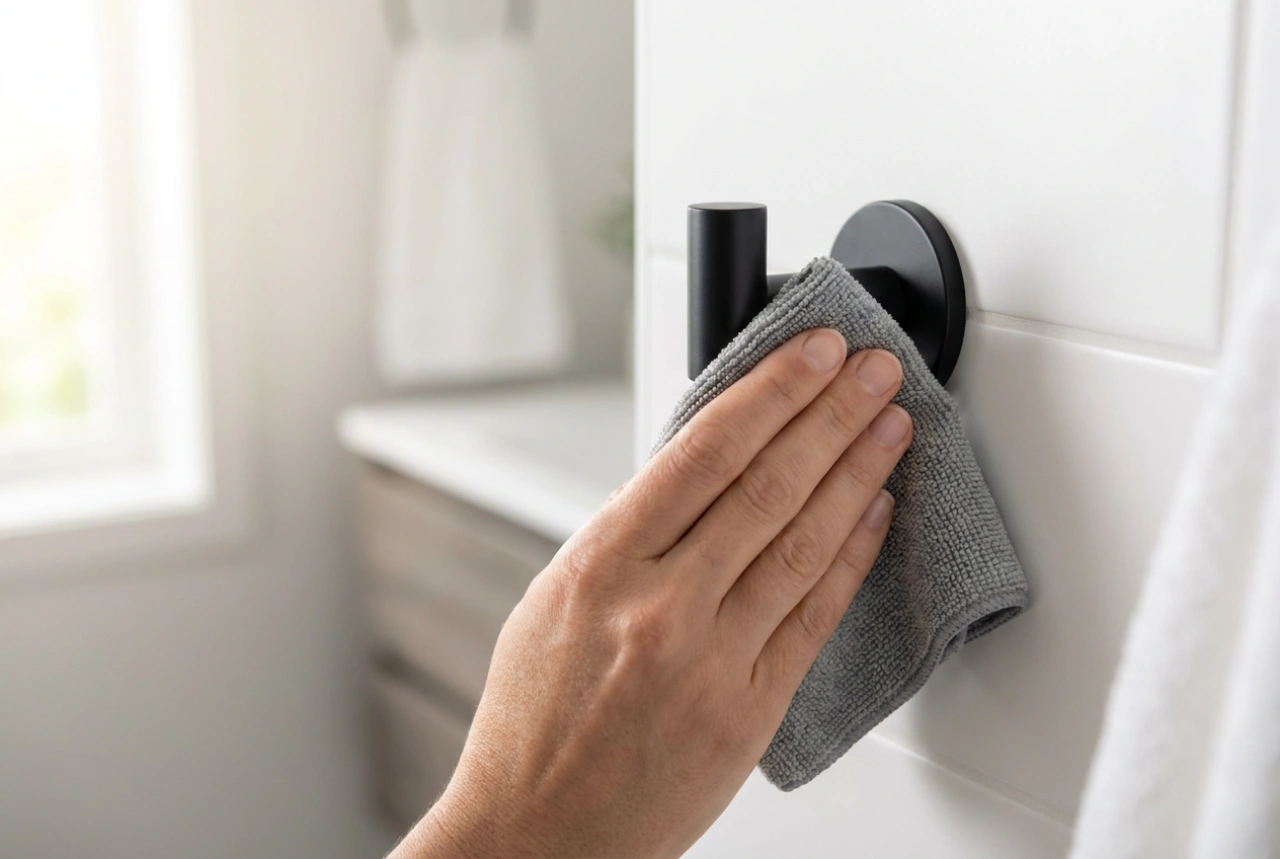
Prepare a cleaning solution using lukewarm water (no hotter than 30°C) and a small amount of mild, pH-neutral liquid detergent. Avoid harsh powder detergents, which can leave a dulling residue on dense canvas weave, and never use chlorine bleach, which degrades synthetic fibers and dissolves chemical stiffeners. Using a soft microfiber cloth or a soft-bristled brush, apply the soapy water using circular motions, focusing on high-contact areas like handles and the rim. If the basket is heavily soiled and requires full immersion in a bathtub, keep the soaking time under fifteen minutes to minimize the dissolution of internal sizing agents.
Rinsing and Extracting Water Without Wringing
Never wring, twist, or squeeze a structured fabric basket. Wringing applies uneven torque to the fabric fibers and structural seams, causing permanent deformation. Instead, rinse the soapy solution away using a low-pressure cool shower head or a clean, damp cloth. To extract excess water, press clean, dry towels against the inner and outer walls of the basket. The dry towels will draw out moisture through capillary action without subjecting the basket's shape to physical stress.
The Drying Phase: Using Internal Tension to Restore Shape
The drying phase is the most critical step in preventing collapse. As fabric dries, the fibers contract; if they dry while compressed, the basket will remain permanently deformed. To ensure the basket retains its original silhouette, you must dry it under tension.
Immediately after removing excess water, stuff the wet basket to its maximum capacity with dry, clean towels, blankets, or crumpled packing paper. This internal stuffing acts as a mold, forcing the fabric to dry in its fully expanded, upright state. Place the stuffed basket in a well-ventilated, shady area. Avoid direct sunlight and high heat sources like radiators, as rapid, uneven drying can shrink synthetic coatings and warp plastic frames. Once the fabric is completely dry to the touch, remove the stuffing; the basket will retain its rigid, upright structure.