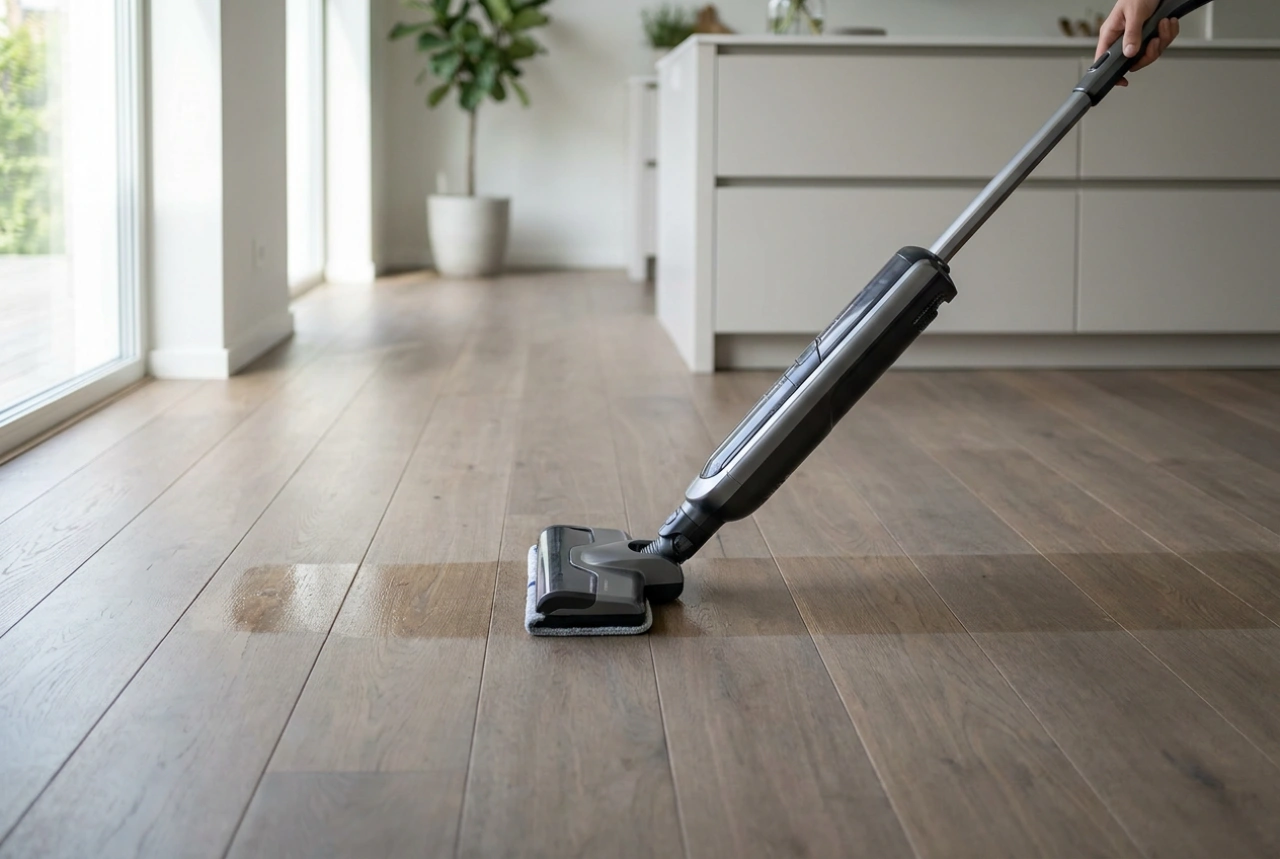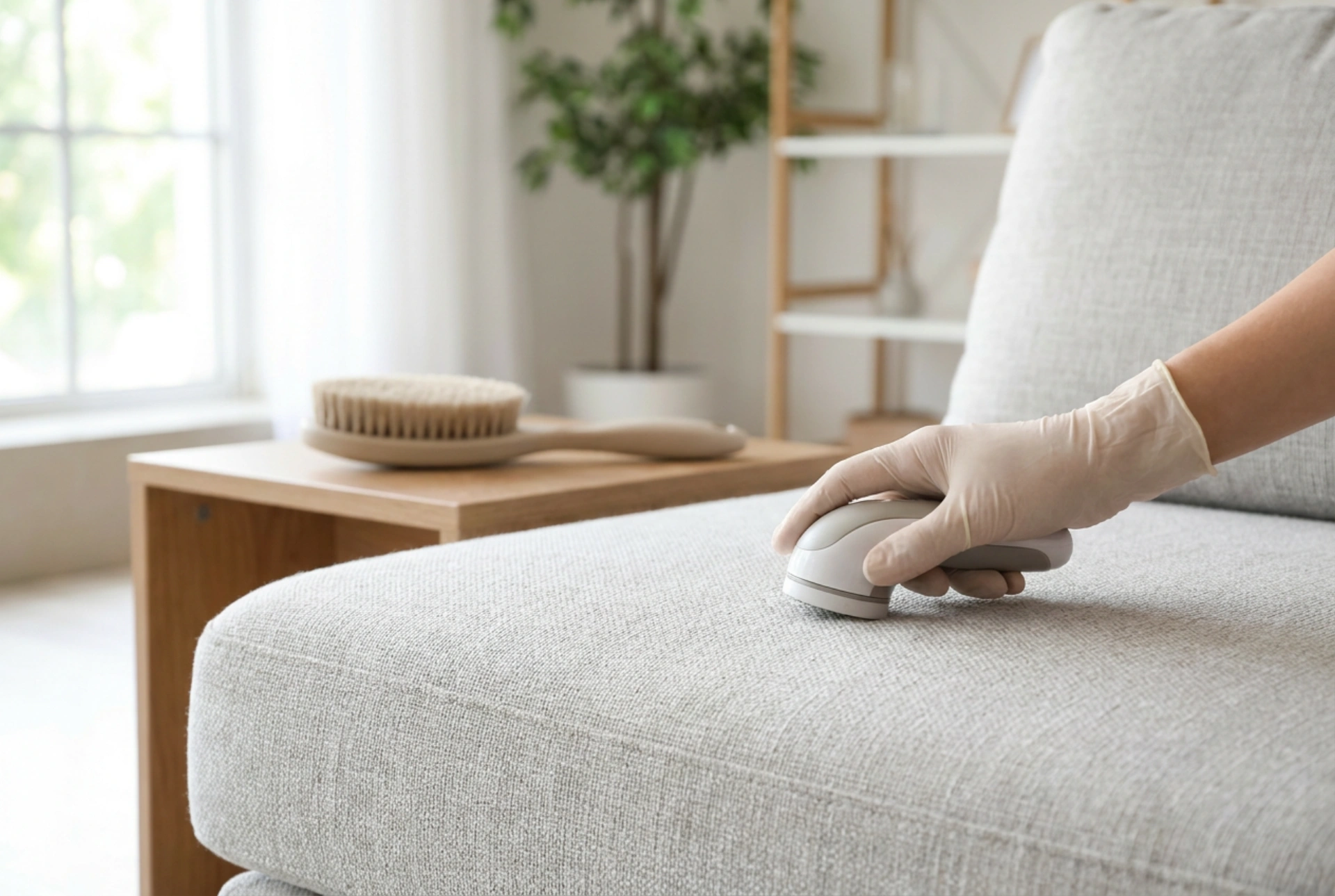


Deep cleaning household textiles requires far more than surface-level suction. When dealing with heavily soiled carpets, upholstery, or mattresses, a professional extraction vacuum cleaner leverages fluid dynamics and vacuum pressure to remove embedded contaminants that standard vacuums cannot reach.
The Science of Pressure and Extraction
Unlike domestic dry vacuums, which rely solely on airflow to lift loose dust, a professional extraction vacuum cleaner utilises a dual-action system: pressure injection and high-lift suction. The machine pumps a pressurised stream of cleaning solution deep into the textile pile, breaking the physical bonds between the fibres and the dirt. Simultaneously, a powerful vacuum motor creates a high-velocity air stream that pulls the suspended dirty liquid out of the fabric and into a recovery tank.
This process relies on fluid dynamics. When you manually scrub a carpet with a brush and soapy foam, you merely displace the dirt, pushing it deeper into the backing material or underlay. Once the moisture evaporates, the dirt remains trapped, often wicking back to the surface as a dark stain. Extraction, however, physically pulls the liquefied dirt away from the fibres, ensuring complete contaminant removal and preventing the reappearance of old stains.
When Household Equipment Reaches Its Limit
Standard household appliances are designed for routine maintenance cleaning, not deep restoration. There are specific scenarios where the deep-reaching power of an industrial extraction unit becomes necessary:
- Deep-set organic stains: Spillages such as milk, coffee, or pet urine quickly penetrate the primary backing of a carpet. If left untreated, they become breeding grounds for bacteria and fungi. An extractor pulls these liquids from the deepest layers before they can degrade the material.
- High-traffic fibre wear: Hallways and living room carpets accumulate grease and fine grit from footwear. This grit acts like sandpaper, cutting carpet fibres under foot pressure. Regular vacuuming cannot lift sticky, grease-bound particles; only surfactant-driven extraction can dissolve and lift them.
- Allergen accumulation: Dust mite faeces, pet dander, and microscopic pollen settle deep within mattress and upholstery foam. The high suction power of an industrial extractor pulls these microscopic allergens from deep within the cushioning, significantly improving indoor air quality.
Temperature and Chemistry in Extraction
The efficiency of extraction cleaning is governed by Sinner’s Circle: chemical action, mechanical action, temperature, and time. Adjusting these variables optimises the cleaning process without damaging the material structure.
Water temperature plays a crucial role. Warm water increases the kinetic energy of the molecules, speeding up chemical reactions and liquefying greasy lipids. For synthetic fibres like polyester and nylon, water temperatures around forty to fifty degrees Celsius are highly effective. However, natural fibres like wool require cooler temperatures to prevent shrinkage and fibre distortion.
The chemical phase involves surfactants. These molecules have a hydrophilic head and a lipophilic tail. They lower the surface tension of water, allowing it to wet the fibres thoroughly, encapsulate greasy dirt, and hold it in suspension. To prevent rapid resoiling, a thorough rinse phase with clean water or a mild acidic rinse agent is vital to neutralise any alkaline surfactant residue left in the fibres.
The Correct Order of Operations for Best Results
Achieving professional-grade results requires a systematic approach. Skipping steps can result in overwetting or incomplete dirt removal:
- Dry vacuuming: Always begin with a thorough dry vacuuming using a brush roller. Removing dry, loose soil first prevents it from turning into mud during the wet phase.
- Prespraying: Apply a dilute surfactant solution evenly across the surface. Allow it to dwell for five to ten minutes. This gives the chemistry time to break down the surface tension and dissolve stubborn grease. Do not let it dry out.
- Agitation: Gently work the prespray into the fibres using a soft-bristled hand brush to maximise chemical contact.
- Extraction and Rinse: Run the extraction nozzle slowly across the textile while spraying the rinse water. Use overlapping parallel strokes to ensure no areas are missed.
- Dry passes: Perform multiple dry passes without releasing water to extract as much residual moisture as possible. This accelerates drying times and prevents musty odours.