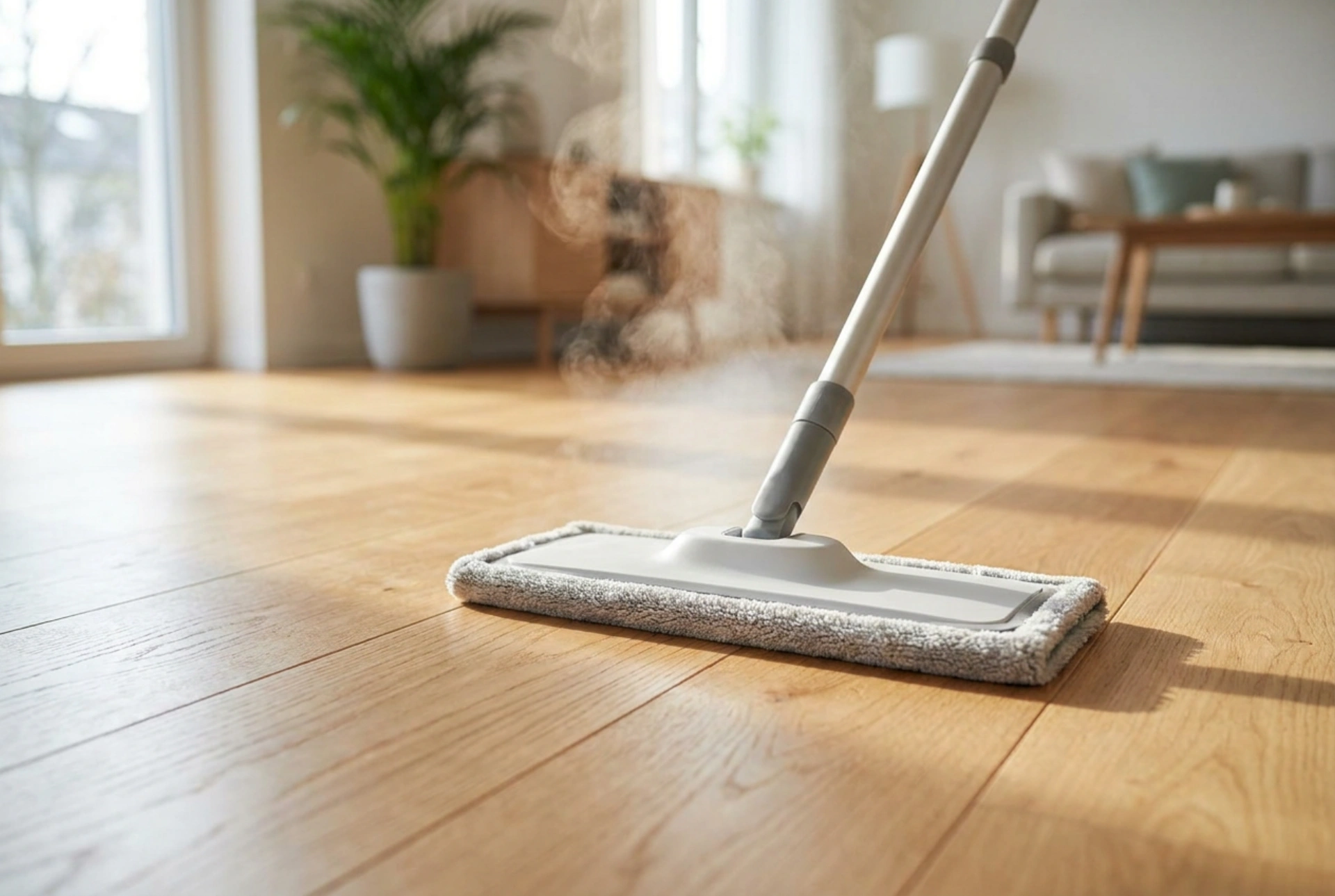


Steam mops utilize high-temperature water vapor to sanitize and lift grime from surfaces without the need for harsh chemical residues. Understanding the physics of thermal energy and material tolerance is key to determining when this tool is the safest and most efficient choice for your home.
The Physics of Thermal Disinfection and Cleaning
Unlike traditional mopping, which relies on surfactants to lower surface tension and bind dirt, steam cleaning uses thermal energy. When water is heated to temperatures exceeding 100 degrees Celsius, it transitions into pressurized vapor. When this vapor contacts a cooler floor surface, it rapidly condenses. This phase transition releases latent heat directly into the dirt, grease, and biological contaminants adhering to the floor.
This thermal shock breaks the intermolecular bonds holding sticky residues to the surface. Simultaneously, the high temperature denatures proteins in bacteria, dust mites, and fungal spores, achieving a level of sanitization that cold water and chemical detergents cannot match without prolonged contact times. Because the vapor evaporates within seconds of application, it minimizes the risk of prolonged moisture exposure, provided the surface is compatible.
Ideal Flooring Surfaces for Steam Mopping
Steam mops perform exceptionally well on hard, non-porous surfaces that can withstand both heat and moisture. Understanding which materials thrive under these conditions prevents damage while maximizing hygienic output.
- Ceramic and Porcelain Tiles: These materials are fired at extremely high temperatures, making them completely impervious to the thermal output of a steam mop. The pressurized steam is particularly effective at penetrating the microscopic pores of grout lines, lifting embedded grime that standard mop fibers cannot reach.
- Sealed Natural Stone: Well-sealed granite, marble, or slate can be safely steam-cleaned. The heat loosens oil-based dirt without stripping the protective sealant, provided the steam is applied evenly and not allowed to pool.
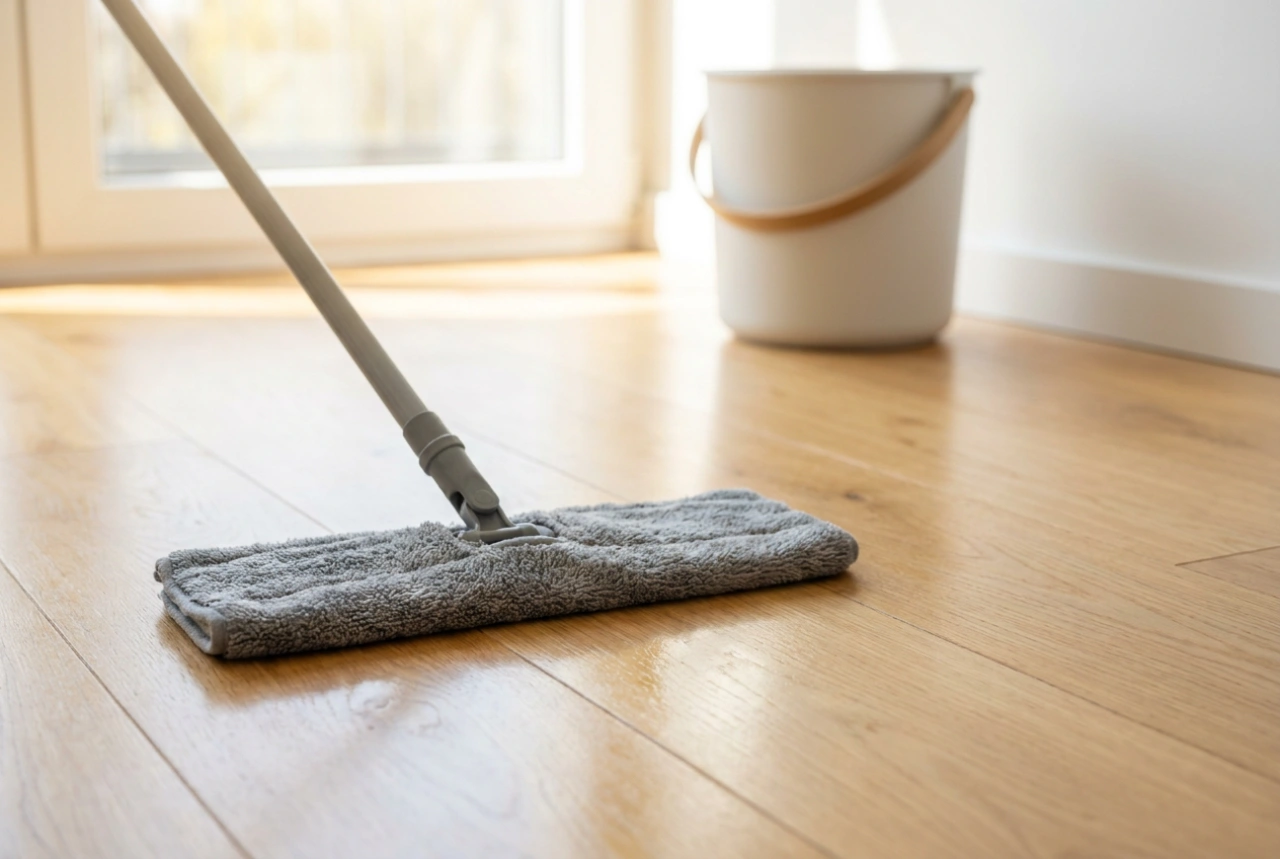
- Sealed Hardwoods: Only hardwood floors with an intact, professional polyurethane seal can tolerate steam. The steam must be set to its lowest output, and the mop must be kept in constant motion to prevent moisture from finding its way into the seams between planks.
Materials to Keep Away from High-Temperature Vapor
Despite its efficiency, steam is not universal. Some materials undergo physical changes when exposed to sudden shifts in temperature and humidity.
Unsealed or waxed hardwood floors should never be cleaned with steam. The moisture will penetrate the open grain of the wood, causing fibers to swell, cup, or buckle. Similarly, laminate flooring consists of dense fiberboard cores covered by a photographic layer and a wear layer. If steam penetrates the joints between laminate planks, the fiberboard core will absorb water, expand irreversibly, and ruin the structural integrity of the floor.
Vinyl flooring, particularly luxury vinyl tiles with adhesive backing, can also be sensitive to extreme heat. High temperatures can soften the adhesives holding the tiles down, leading to curling edges or shifting. Always consult the manufacturer's guidelines regarding thermal tolerance before introducing steam to synthetic materials.
Optimal Technique and Operation for Maximum Efficiency
To achieve the best results without damaging your flooring, proper technique is essential. The process relies on physical friction combined with controlled thermal release.
First, always vacuum or sweep the floor thoroughly before steam mopping. Steam mops are designed to sanitize and dissolve fine dirt, not to sweep up loose debris, hair, or large particles. Dragging loose dirt across the floor under a hot steam pad can cause micro-abrasions on delicate finishes.
Second, select the appropriate microfiber pad. Thick, textured pads are ideal for uneven surfaces like tile grout, while smoother, dense weaves are better for even heat distribution on sealed wood. Move the mop in slow, consistent passes. Pausing the mop in one spot for too long concentrates heat and moisture, which can damage sealants or cause localized discoloration.