

Cleaning a refrigerator requires a specialized chemical approach because the surfaces inside directly contact food, and the enclosed, low-temperature environment alters how cleaning agents behave. A safe refrigerator cleaner must balance effective lipid emulsification with chemical inertness toward sensitive polymers and complete non-toxicity for human consumption.
1. Food-Safe Formulation and Chemical Residues
In an enclosed refrigerator compartment, volatile organic compounds (VOCs) and chemical residues cannot easily disperse. Standard household detergents often contain synthetic perfumes, optical brighteners, or strong surfactants that leave micro-layers of chemical film on shelves. When food is placed directly on these surfaces, these substances can migrate into your meals through direct contact or vapor phase transfer. A truly safe cleaner relies on highly biodegradable, food-grade surfactants that break down into harmless organic compounds. Non-ionic surfactants, derived from plant sugars or fatty alcohols, are ideal because they lower surface tension to lift grease without leaving toxic synthetic deposits behind.
2. Protecting Sensitive Polymers and Elastomers
The interior of a modern refrigerator is a complex mix of materials, primarily high-impact polystyrene (HIPS), acrylonitrile butadiene styrene (ABS) plastics, tempered glass, and synthetic rubber gaskets. Using the wrong chemical agent can permanently damage these components:
- Solvents and Alcohols: High concentrations of isopropyl alcohol or ethanol can cause stress-cracking in rigid plastics like polystyrene. Over time, these micro-cracks harbor bacteria and weaken the structural integrity of drawers and shelves.
- Acids and Alkalis: Highly acidic or strongly alkaline solutions degrade the elastomer gaskets sealing the door. When these rubber seals lose their elasticity or crack, warm air enters the appliance, causing frost build-up, increased energy consumption, and food spoilage.
A safe cleaning fluid maintains a neutral to slightly alkaline pH (typically between 7 and 8.5). This range is sufficient to saponify light grease and neutralize acidic food residues (like fruit juices or spoiled milk) without attacking the polymer chains of the plastic walls or degrading the rubber seals.
3. Thermal Dynamics and Cleaning Kinetics
Chemical reactions slow down significantly at lower temperatures. If you apply a cleaning agent directly to cold shelves (around 4°C), the kinetic energy of the surfactant molecules is reduced, making them less efficient at emulsifying fats. For optimal results, removable parts should be allowed to reach room temperature before cleaning. This serves a dual purpose: it accelerates the chemical breakdown of soils and prevents thermal shock, which can shatter tempered glass shelves when exposed to warm water. When cleaning the fixed interior walls, choose a formulation designed to work efficiently at lower temperatures, or apply a slightly warm solution and allow a contact time of two to three minutes to compensate for the reduced reaction rate.
4. Neutralizing Odors and Microorganisms Safely
Odors in refrigerators are primarily caused by volatile sulfur compounds, organic acids, and nitrogenous bases produced by bacterial decomposition. Masking these smells with heavy synthetic fragrances is counterproductive and contaminates food. Instead, a safe cleaner eliminates odors at the molecular level. Mild sodium bicarbonate (baking soda) solutions neutralize acidic odor compounds, while oxygen-based bleaching agents (such as diluted hydrogen peroxide) oxidize organic odorants and eliminate microbes. Chlorine-based bleaches must be avoided inside refrigerators; they are highly corrosive to metal shelving supports, degrade plastics, and release hazardous fumes that are difficult to vent from a confined kitchen appliance.
5. Application Technique and Sequence
To maximize the safety and efficiency of your cleaning process, follow a methodical order of operations:
- Deconstruct: Remove all food and detachable shelving. Allow the glass and plastic components to acclimatize to room temperature.
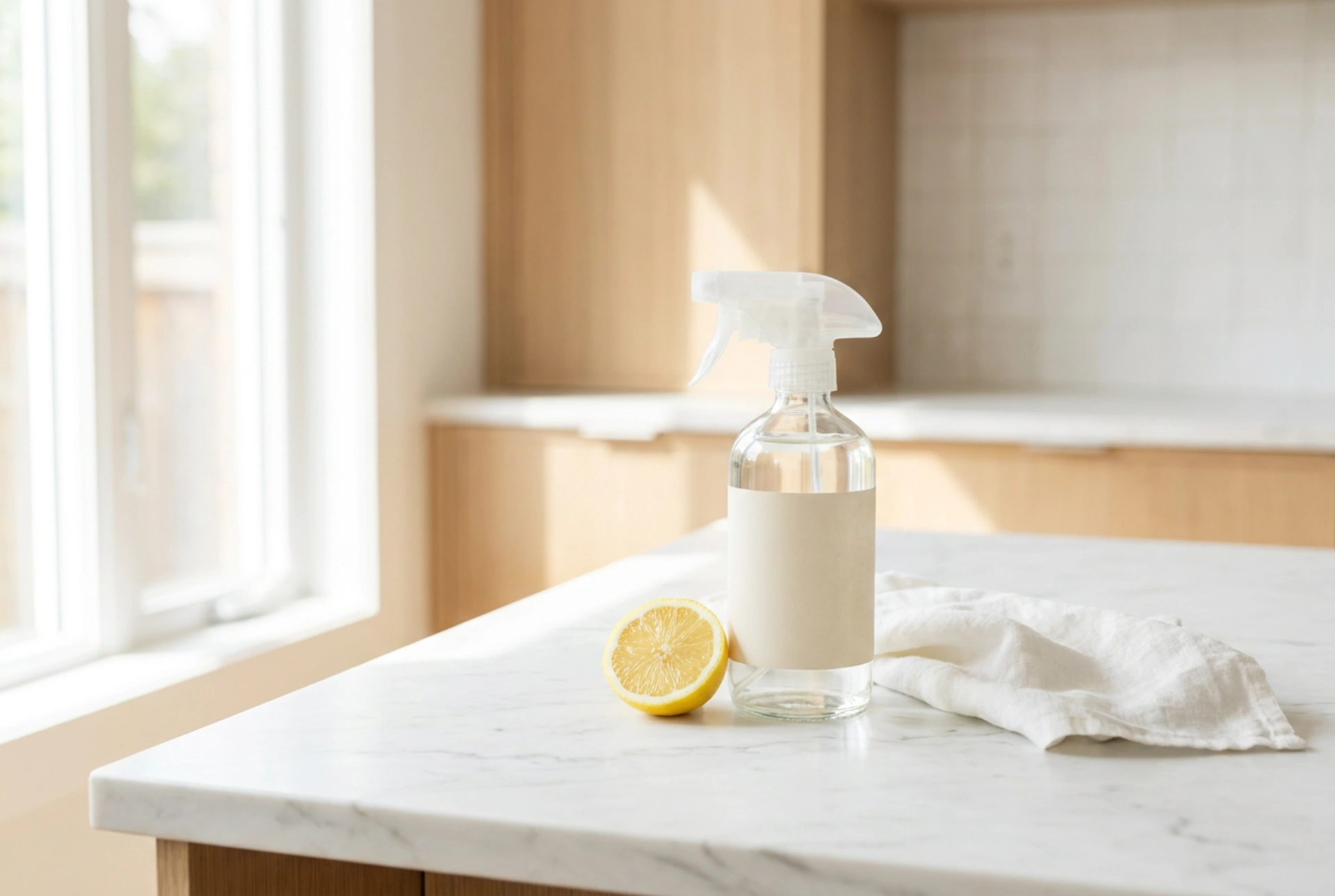
- Apply and Emulsify: Spray a thin, even mist of the safe cleaner onto the surfaces. Avoid oversaturating the door seals to prevent fluid from pooling behind the rubber.
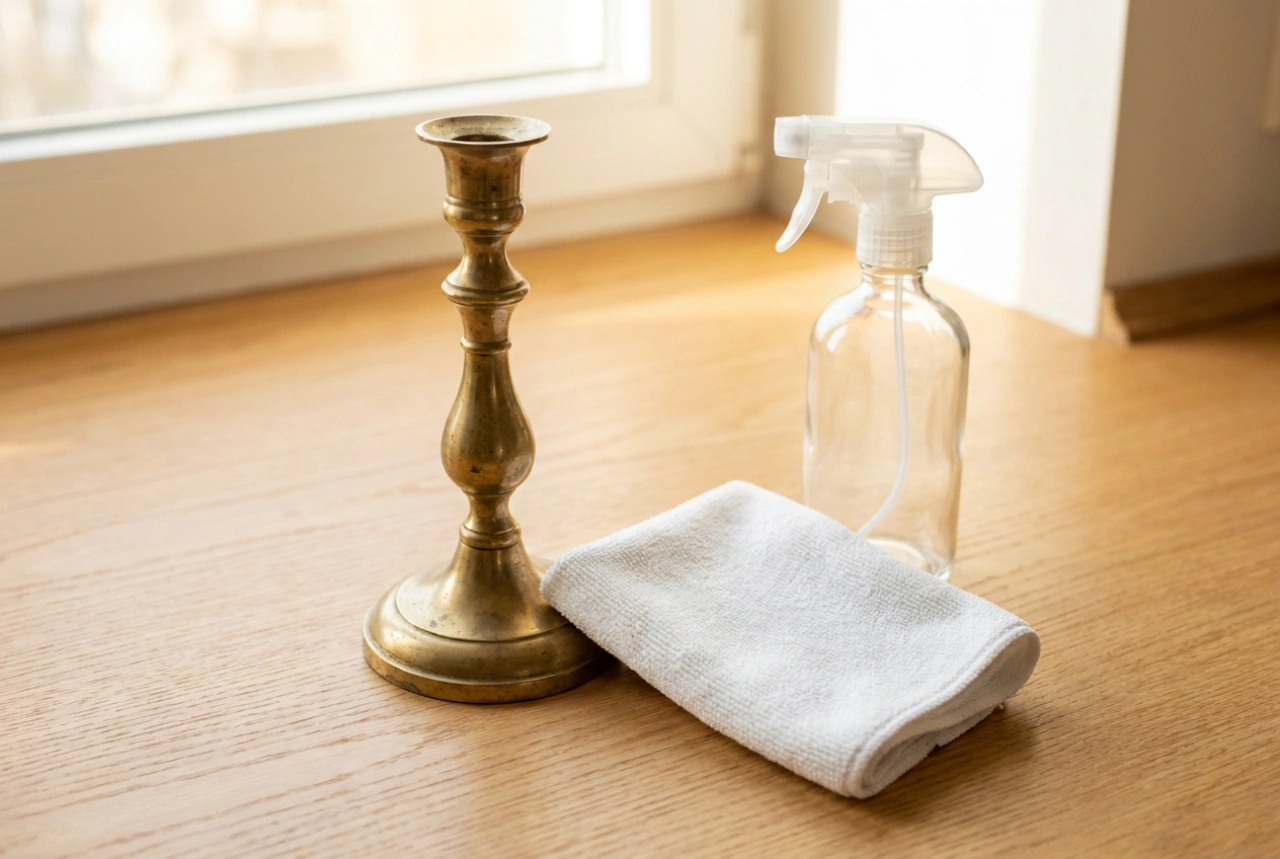
- Mechanical Action: Use a high-density microfiber cloth. The microscopic fibers physically grab and trap emulsified oils and bacteria, reducing the need for harsh chemical action. Work from top to bottom to prevent re-contaminating clean areas.
- Rinse and Dry: Wipe down all surfaces with a clean cloth dampened with pure water, then dry thoroughly. Moisture left behind promotes mold germination, even at low temperatures.