

Selecting the wrong chemical agent for a spray-extraction cleaner can lead to permanent fiber damage, dye bleeding, or rapid re-soiling. Understanding the chemistry of surfactants and fiber types is essential for achieving a deep clean while preserving the integrity of your carpets and upholstery.
The Physics and Chemistry of Spray Extraction
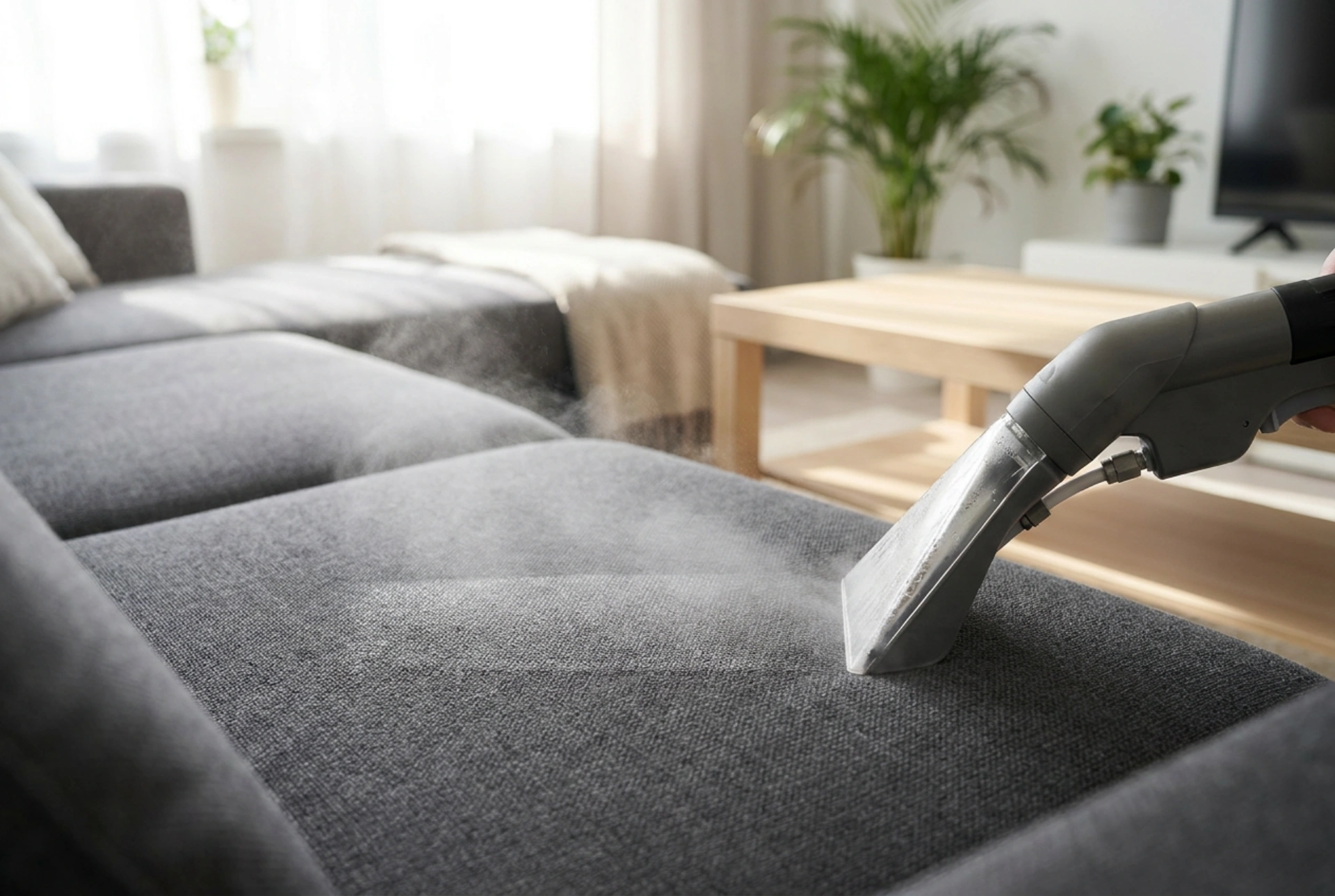
Spray-extraction cleaning relies on a combination of chemical action, thermal energy, mechanical agitation, and suction. The machine injects a pressurized solution of water and detergent deep into the textile pile. This solution lowers the surface tension of water, allowing it to penetrate the fibers and encapsulate suspended dirt, grease, and oils. Almost instantaneously, a powerful vacuum nozzle extracts the suspended soil and dirty water into a recovery tank.
For this process to succeed, the detergent must dissolve soil rapidly without leaving sticky residues. Traditional soaps and laundry detergents are unsuitable because they create excessive foam, which chokes the extraction motor and remains trapped in the dense weave of the fabric. Dedicated extraction detergents use low-foaming non-ionic surfactants that release dirt easily during the vacuum phase.
Understanding Fiber Chemistry: Natural vs. Synthetic
Before choosing a detergent, you must identify the fiber composition of your textile, as different materials react distinctively to chemical pH levels:
- Synthetic Fibers (Polyester, Nylon, Polypropylene): These materials are highly resilient and non-porous. They can withstand alkaline detergents (pH 8 to 10), which are highly effective at breaking down acidic oily residues, traffic lane dirt, and proteins.
- Natural Fibers (Wool, Cotton, Silk): Wool and silk are protein-based animal fibers. High alkalinity (pH above 8.5) swells and weakens these fibers, stripping their natural protective oils and causing shrinkage, yellowing, or structural degradation. For these delicate surfaces, always select neutral to slightly acidic detergents (pH 5.5 to 7.5).
Dye stability is another critical factor. Many natural fibers are dyed with acid-reactive colorants that can bleed if exposed to highly alkaline solutions. Performing a spot test on an inconspicuous area with a white cloth is a necessary precaution to check for dye transfer before treating the entire surface.
The Mechanism of Re-Soiling and How to Avoid It
A common mistake is using too much detergent or failing to rinse the fabric thoroughly. When active surfactants are left behind on the fibers, they dry into a sticky film. Because surfactants are designed to attract both water and oil, this residue acts as a magnet for airborne dust and dirt from footwear. As a result, the cleaned textile re-soils significantly faster than it did before.
To prevent this, the extraction process should always conclude with a rinsing phase. Utilizing a mild acidic rinsing agent in the final pass neutralizes any remaining alkaline detergent residues, stabilizes the dyes, and leaves the fibers soft and clean rather than stiff and crunchy.
Optimal Technique: Temperature, Speed, and Extraction Passes
Successful extraction cleaning depends heavily on physical technique and thermal control. Follow this structured approach to ensure optimal results:
- Water Temperature: Warm water (between 40°C and 50°C) accelerates chemical reactions and melts grease. However, avoid hot water on wool, which can cause shrinkage, or on protein-based stains, which can coagulate and become permanently set in the fiber matrix.
- The Injection Stroke: Pull the wand slowly toward you while engaging the spray trigger. Keep the nozzle flat against the textile to maintain a strong vacuum seal.
- The Dry Pass: Immediately follow each wet stroke with two or three dry passes—vacuuming without spraying. This extracts the maximum amount of moisture, significantly reducing drying time and preventing the growth of mold or mildew within the underlayment.
A Quick Checklist for Safe Carpet Extraction
- Check the care label to determine if the fiber is synthetic or natural.
- Select a low-foaming surfactant detergent with a pH level matched to the fiber type.
- Verify dye stability with a quick colorfastness spot test.
- Use warm water for synthetic fibers, and cool-to-lukewarm water for wool or silk.
- Perform multiple dry passes to minimize residual moisture.
- Finish with an acidic rinse to neutralize chemical residues.