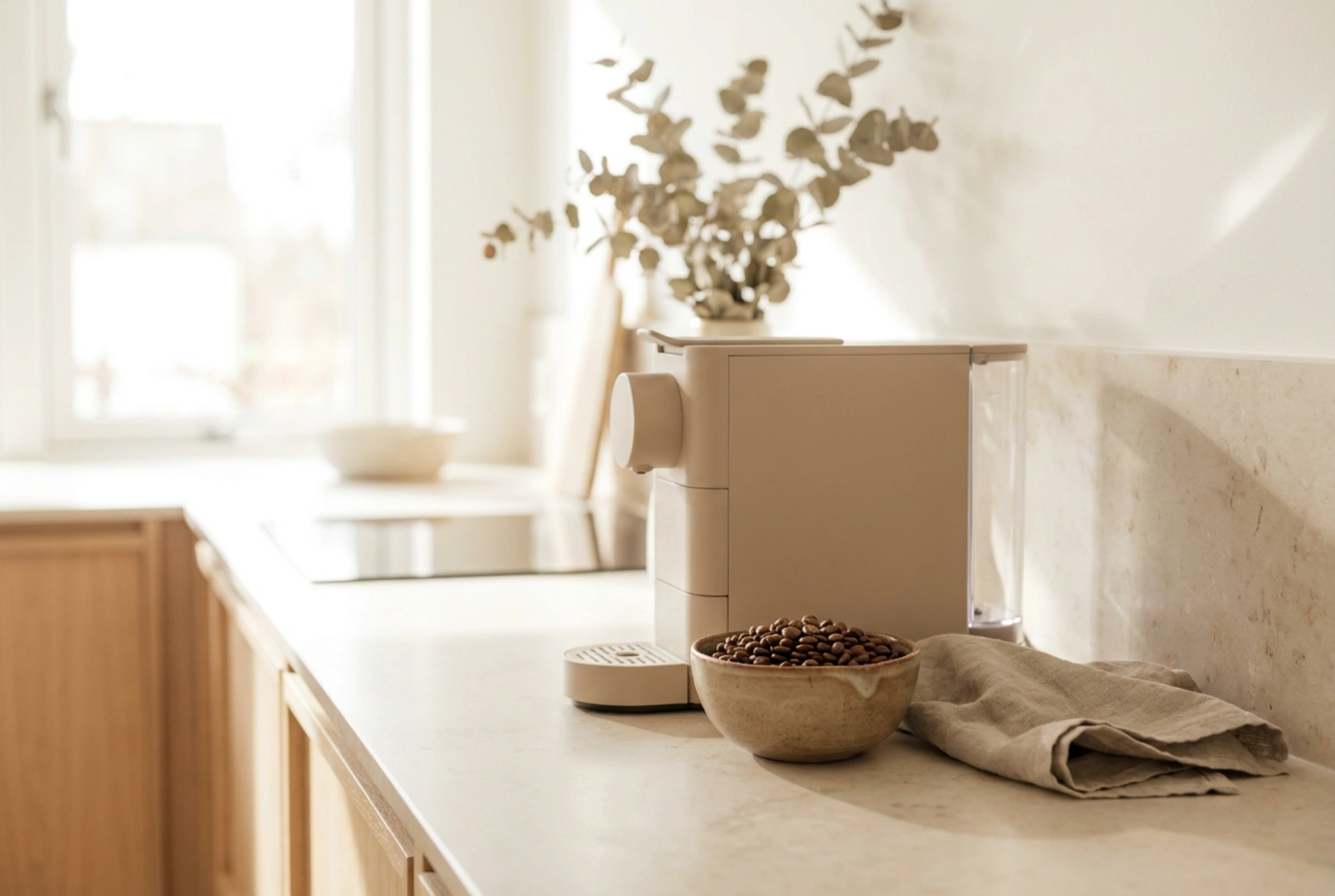


Small bean-to-cup coffee machines are highly susceptible to internal moisture accumulation, which leads to mold growth, grinder clogging, and mechanical corrosion. Controlling the microclimate inside the appliance requires systematic ventilation, temperature management, and targeted cleaning routines.
The Physics of Condensation in Coffee Machines
Inside a compact bean-to-cup espresso machine, high-temperature thermodynamic processes occur in close proximity to cold surfaces. When the internal boiler heats water to over 90 degrees Celsius to extract espresso or create steam, it releases thermal energy and water vapor into the surrounding air within the chassis. Because small machines have highly restricted internal volumes, this warm, moisture-laden air quickly reaches its dew point when it contacts cooler plastic or metal outer panels. This temperature differential triggers rapid condensation, leaving fine droplets of liquid water on delicate mechanical and electronic components.
Without adequate ventilation, this trapped water cannot evaporate, creating a high relative humidity environment. This microclimate is ideal for fungal spores to germinate on organic coffee residues. Furthermore, water droplets can undergo capillary action, drawing moisture into tiny crevices in the brewing unit, gears, and grinder assembly, causing rust and premature wear of the moving parts.
Optimising Airflow and Ventilation Techniques
Preventing moisture buildup is primarily a matter of managing airflow to facilitate evaporation. The sealed design of modern compact coffee machines restricts natural convection, meaning manual intervention is required to allow humid air to escape after use. Implementing a daily shutdown routine is the most effective way to address this issue.
- Aerate the internal chambers: Once the machine is turned off and fully cooled down, pull the drip tray and the coffee grounds drawer (dreg drawer) out by a few centimetres. This breaks the airtight seal of the lower chassis, allowing cool air to enter from the bottom and warm, moist air to rise and escape through the internal gaps.
- Leave access doors ajar: If your machine features a side-loading service door for the brew group, leave it slightly unlatched overnight. This creates a cross-ventilation effect, significantly accelerating the evaporation of residual moisture from the brewing chamber.
- Control ambient room humidity: Always position the coffee machine in a well-ventilated area of the kitchen. Placing the unit under low-hanging wall cabinets or in tight corners traps rising steam, forcing it back down into the machine’s cooling vents. Ensure at least 10 centimetres of clearance on all sides.
Protecting the Grinder and Bean Hopper
Coffee beans are highly hygroscopic, meaning they readily absorb moisture from the surrounding atmosphere. In compact machines, the grinder chute is often positioned directly above or adjacent to the brewing chamber, making it a prime target for rising steam during the brewing process. When moisture enters the grinding pathway, it mixes with fine coffee dust, forming a sticky paste that hardens over time, jamming the burrs and altering the particle size distribution.
To prevent this, periodically inspect the coffee exit chute. Use a stiff, dry, long-ended brush to clear any compacted grounds that might block the protective flap. Never use wet cloths inside the bean hopper or the grinder inlet. If you must clean the hopper, wipe it down with a dry microfiber cloth to remove residual oils without introducing liquid water. If the machine is left unused for several days, empty the bean hopper to prevent the beans from absorbing ambient moisture and swelling, which can damage the grinding mechanism upon restart.
The Science of Drying and Maintaining the Brew Group
The brew group is the mechanical heart of the machine, where hot water is pressed through the coffee puck. Because it is constantly exposed to wet grounds and high-pressure steam, it requires regular extraction, rinsing, and thorough drying to prevent the formation of black mold.
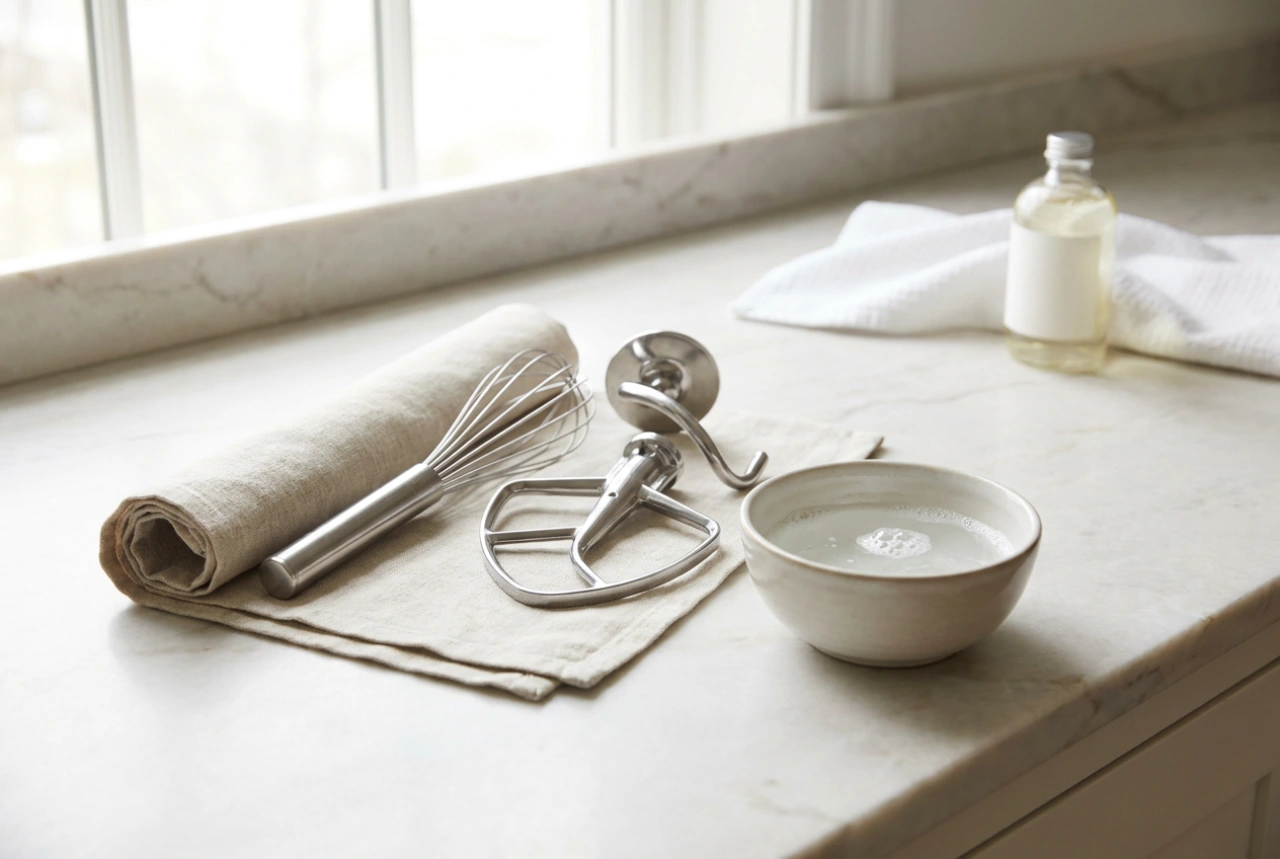
Remove the brew group at least once a week and rinse it under lukewarm running water. Do not use chemical detergents, dish soaps, or hot water, as these will strip away the specialized food-grade silicone grease that lubricates the pistons and seals. After rinsing, do not reinsert the wet brew group into the machine. Shake off excess water and place it on a clean, lint-free cloth to air-dry completely for several hours. Reinserting a wet brew group into a closed, warm machine chassis instantly recreates a high-humidity environment that fosters microbial growth.