

Cling film is a highly versatile tool in the modern kitchen, yet using it safely and effectively during heat-based culinary processes requires an understanding of polymer chemistry and thermal limits.
Understanding the Materials: PVC vs. PE
Not all plastic wraps are created equal, and their behavior under thermal stress depends entirely on their chemical composition. Traditionally, cling films were made from Polyvinyl Chloride (PVC). While PVC offers excellent stretch and cling properties due to added plasticizers, these additives can migrate into fatty foods when heated. Today, Polyethylene (PE) is the standard for household use. Polyethylene is inherently more stable and free from phthalate plasticizers, making it a safer choice for direct food contact. When selecting a film for kitchen tasks that involve heat, always verify the material composition on the packaging. PE wraps are generally safer for low-temperature applications, but they still have strict structural limits that must be respected to prevent melting and chemical migration.
Thermal Limits and the Mechanism of Melting
Plastic wraps do not have a single melting point but rather a softening range. For standard low-density polyethylene (LDPE) films, structural degradation begins well below the boiling point of water, typically around 80 degrees Celsius to 100 degrees Celsius. Exceeding these temperatures causes the polymer chains to lose their crystalline structure, leading to shrinkage, tearing, and potential deposition of microplastics onto the food. When using film for steaming or covering vessels in a microwave, always ensure there is a physical barrier of air between the food and the plastic. This prevents the film from reaching the extreme temperatures of boiling fats or sugars, which can easily exceed 150 degrees Celsius and melt the wrap instantly.
The Science of Microwaving with Film
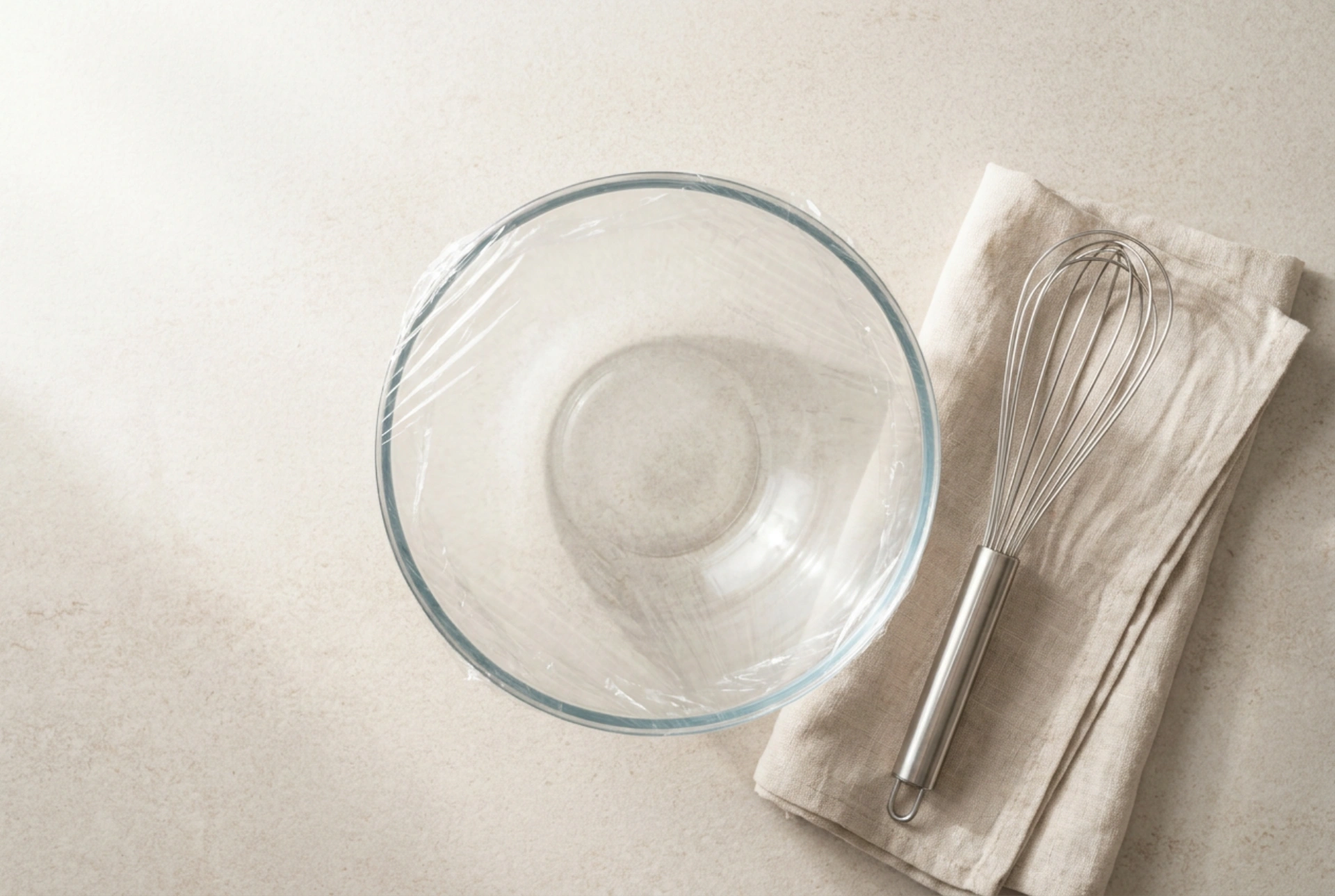
Using cling film to cover dishes in the microwave is highly effective for retaining moisture and ensuring even heat distribution, provided a specific technique is followed. As water molecules within the food vibrate and heat up, they release steam. If a container is sealed airtight with film, the expanding steam creates high pressure, which can cause dangerous hot splatters or cause the film to collapse inward as it cools. To prevent this, always leave a small gap at the corner of the container or pierce the film several times with a skewer. This venting technique allows excess steam pressure to escape while maintaining a humid microclimate that keeps the food from drying out.
Low-Temperature Poaching and Sous-Vide Rules
While professional chefs occasionally use heavy-duty cling film for wrapping ballotines or roulades before poaching, this technique requires extreme precision. If you choose to poach food wrapped in film, the water temperature must be kept strictly below a gentle simmer, ideally between 70 degrees Celsius and 80 degrees Celsius. Never allow the wrapped food to touch the hot bottom of the pot, as direct conduction from the heat source will exceed the plastic's melting threshold. For any extended cooking times or higher temperatures, specialized heat-resistant cooking bags made of food-grade polypropylene or silicone should always replace standard household cling film to ensure structural integrity and chemical safety.