

Keeping baked goods fresh inside a plastic container requires a careful balance of humidity control and atmospheric management to prevent the starch from crystallizing and drying out.
The science of cake staling
When a cake dries out, it undergoes a process called starch retrogradation. During baking, starch molecules absorb water and gelatinize. As soon as the cake cools, these starch molecules begin to reform their crystalline structure, releasing the trapped water. In an unsealed environment, this water evaporates into the air, leaving the crumb tough and dry. While a plastic container creates a physical barrier against air currents, simply placing a cake inside an empty box is rarely enough to halt this molecular transformation. If the container is too large, the dry air inside will still draw moisture out of the crumb until equilibrium is reached.
Optimizing the microclimate inside the container
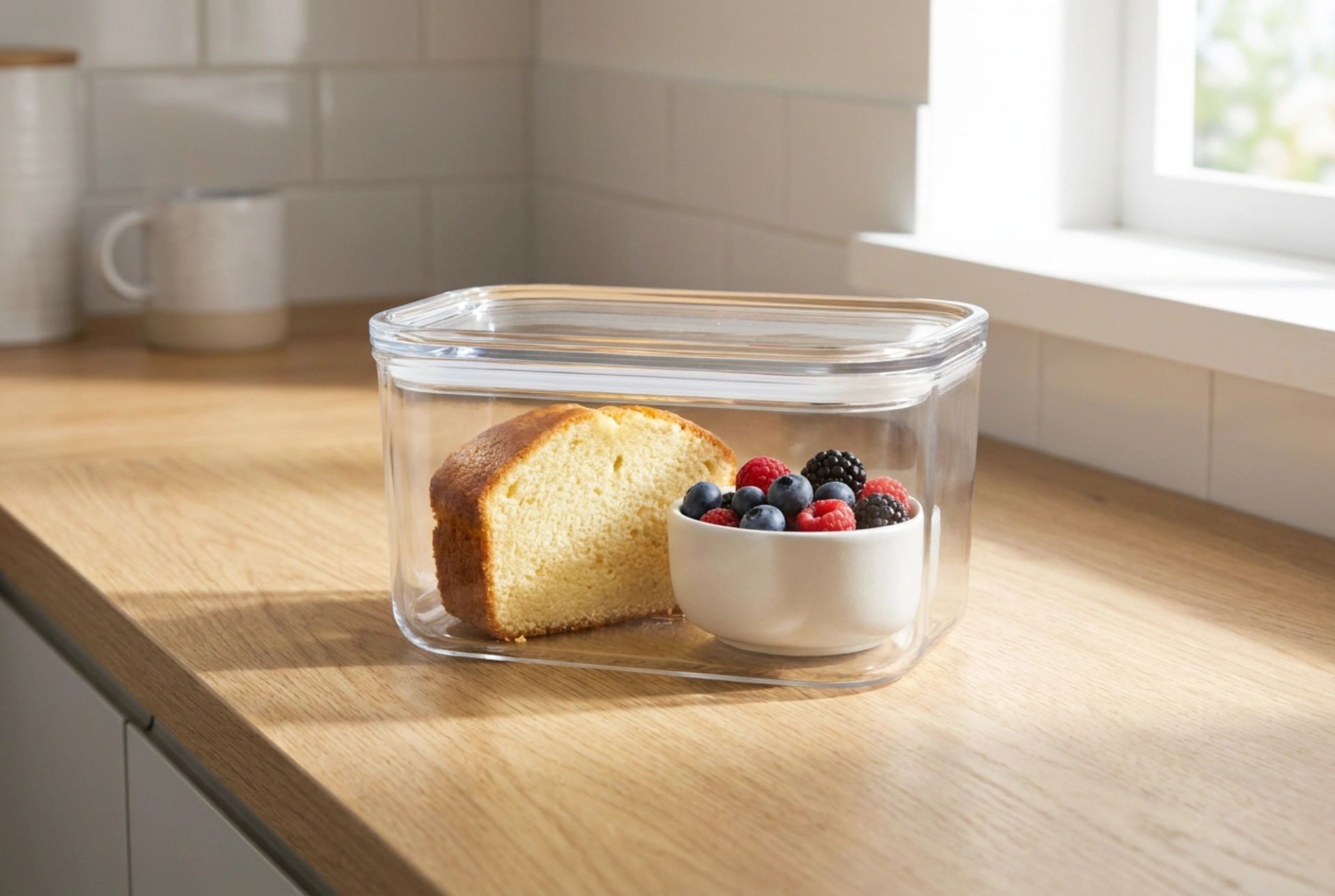
To prevent moisture loss, you must control the humidity levels within the sealed environment. A simple and highly effective technique is to introduce a sacrificial moisture source inside the plastic container. Placing a single slice of plain white bread or a few apple slices alongside the cake works wonders. Because the bread or fruit has a higher water activity level than the cake, it will release its moisture into the sealed air space first. The cake will absorb this ambient humidity, remaining soft while the bread slice eventually becomes dry and stale. Ensure the bread does not directly touch decorated surfaces to avoid transfer of yeast or moisture patches.
Techniques for structural protection
The physical orientation of the cake inside the container plays a crucial role in moisture preservation. For sliced cakes, minimizing the exposed surface area is key. You can achieve this with specific handling techniques:
- Reassemble the slices: Press cut slices tightly back together before placing them in the container to minimize the surface area exposed to the air.
- Use parchment barriers: Press a piece of food-grade parchment paper directly against any exposed, frosted-free cut surfaces. This physically blocks moisture from escaping from the open crumb.
- The inverted container method: Turn your plastic container upside down. Place the cake on the inside of the lid and lower the deep bowl of the container over it. This prevents you from damaging the cake edges when lifting it out and reduces air draft during opening.
Temperature and air volume management
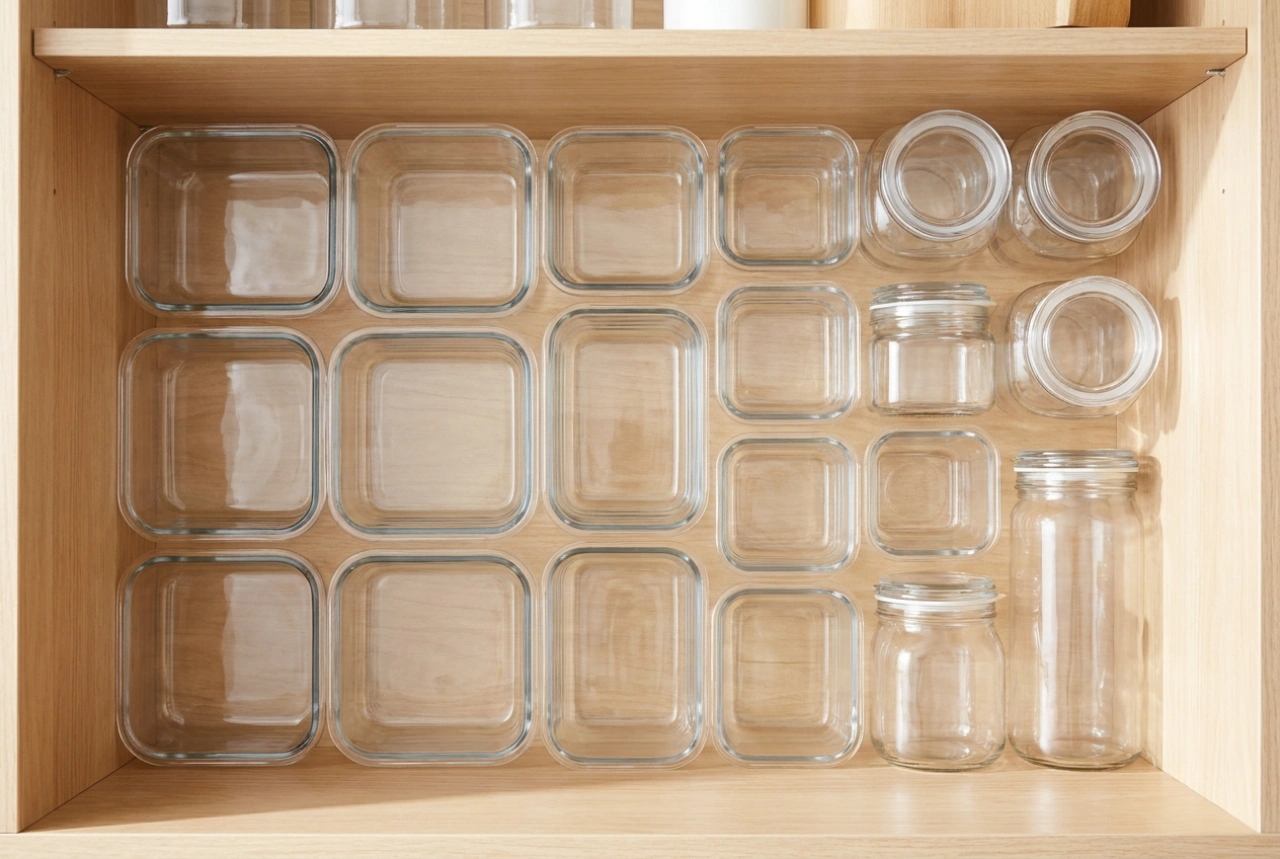
The temperature at which you store your container dictates the rate of staling. Under no circumstances should a standard sponge or butter cake be stored in the refrigerator, unless it contains highly perishable dairy-based fillings like fresh cream or custard. Cold temperatures between 0°C and 6°C dramatically accelerate starch retrogradation, making the cake stale up to six times faster than at room temperature. Keep the plastic container in a cool, dark pantry away from direct sunlight and heat sources like ovens or radiators. Additionally, choose a container size that matches the volume of the cake; excess empty space means more air that needs to be humidified, which pulls more moisture out of your bake.